You know those days when your mind feels like a hamster on a wheel? Just racing around and never slowing down? We’ve all been there.
Life can get super overwhelming, and it’s easy to lose yourself in the chaos. Seriously, it happens to the best of us. But there’s a way to hit pause and breathe a little easier.
Enter grounding techniques. They’re like little lifelines when everything feels too much. You don’t need to be some Zen master or anything—just simple ways to bring you back to the present moment.
So if you’re curious about how these techniques can help you chill out and reclaim your peace of mind, stick around! Let’s chat about it.
Essential Grounding Techniques: Download Your Free PDF Guide for Mental Well-Being
Grounding techniques are lifesavers when emotions get overwhelming or when anxiety starts creeping in. You know, those moments where you feel like you’re floating away or caught in a storm? Yeah, grounding pulls you back to the present. Let’s break down what grounding is all about and some simple techniques you can try, no fancy jargon needed.
So, first off, what exactly is grounding? It’s all about connecting with your body and the world around you. This helps quiet the mind and can be super helpful during anxiety attacks or when you’re feeling stressed out. Grounding brings your focus back to now instead of getting lost in overwhelming feelings or memories.
Now, let’s get into some practical techniques you can use:
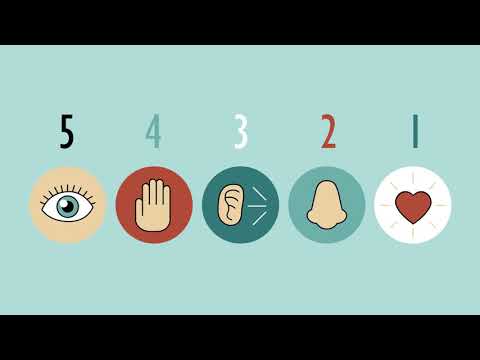
- The 5-4-3-2-1 Technique: This one’s classic! You look around and identify:
- 5 things you can see
- 4 things you can touch
- 3 things you can hear
- 2 things you can smell
- 1 thing you can taste.
Try it next time you’re feeling anxious—it’s like a little reset button!
- Breathing Exercises: Just taking deep breaths goes a long way. Breathe in for four counts, hold for four counts, then breathe out for four counts. Repeat until your heart rate calms down. Seriously, it works wonders.
- Physical Grounding: This involves using your body to feel connected. Try standing with your feet firmly on the ground; feel the weight of your body pressing down and imagine roots growing from your feet deep into the earth.
- Sensory Items: Keep something tactile nearby—a smooth stone, a piece of fabric, anything! When life feels chaotic, hold it tightly and focus on its texture.
- Mental Visualization: Imagine a safe space in your mind—maybe it’s a beach or a serene forest. Picture every detail—the colors, sounds, smells—and let yourself relax into that mental environment.
Incorporating these techniques into your life might take practice; that’s totally normal! Some days might feel heavy—like that weight just won’t lift—but these skills are like tools in a toolbox: handy when you need them.
And hey, if you’re someone who prefers reading over listening (or even trying), downloading resources like a free PDF guide for mental well-being could be really beneficial too. Having something to refer back to? That’s gold!
If there was ever a time you felt pulled under by emotions—maybe during a tough breakup or after receiving bad news—you know how important grounding really is. It was likely difficult not to spiral further into anxiety or sadness.
Using grounding techniques helps remind us that we’re here in this moment right now—not lost in the past or stressing about an uncertain future.
So remember: whether it’s breathing deeply or mentally counting things around you—grounding techniques are powerful tools for reconnecting with yourself and stabilizing those intense feelings when they rise up. Give some of these methods a shot next time life starts feeling too heavy; they could be just what you need to find balance again!
Essential Mindfulness Grounding Techniques: Download Your Free PDF Guide
Mindfulness grounding techniques are like little tools to help you stay present and centered, especially when life feels overwhelming. They can really make a difference in how you handle stress, anxiety, or that annoying feeling of being scattered. Let’s break down what grounding is all about and explore some essential techniques that you might find helpful.
What is Grounding?
Grounding is a simple way to anchor yourself in the here and now. Basically, it helps pull you out of spiraling thoughts or feelings. Imagine standing on solid ground when everything around you feels chaotic—that’s what grounding does for your mind.
Why Practice Grounding Techniques?
When you’re feeling anxious or stressed, your mind often jumps to the worst-case scenario. Grounding helps interrupt this pattern. It’s like hitting pause on a movie so you can catch your breath before diving back into the action. This practice can enhance your focus, reduce anxiety, and improve overall well-being.
Here are some effective grounding techniques:
- 5-4-3-2-1 Technique: This classic method involves using your senses to bring awareness back to the present moment. You identify five things you can see, four things you can touch, three things you can hear, two things you can smell, and one thing you can taste. It’s super effective at pulling your focus away from what’s stressing you out.
- Breathe Deeply: Taking deep breaths slows down your heart rate and calms your mind. Try inhaling deeply through your nose for four counts, holding it for four counts, then exhaling through your mouth for six counts. It’s like giving yourself a little hug from the inside.
- Body Awareness: This involves tuning into your body—feeling where you’re sitting or lying down and noticing sensations on your skin or how heavy your body feels against the chair or bed. You might say something like «I feel my feet on the ground» or «I feel my back resting against the wall.» Connecting with physical sensations pulls you right into the moment.
- Movement: Engaging in simple movements—like stretching or going for a walk—can be incredibly grounding. Each step reminds you that you’re in control of how you’re moving through space.
- Mental Imagery: Picture a serene place—maybe a beach or a quiet forest—and visualize yourself there, absorbing every detail: the sound of waves crashing or leaves rustling in the wind. It’s all about creating that mental escape while staying anchored in reality.
These techniques are pretty simple but seriously effective! You know those moments when life feels super loud? Well, grounding helps hush that chaos so you’re not just reacting but responding calmly.
Remember though: like any skill, it might take practice before it becomes second nature to use these techniques during stressful times. And hey—everyone’s different! What works wonders for one person might not do much for another.
Incorporating mindfulness grounding techniques into daily life doesn’t just support mental health; it fosters resilience too! So next time anxiety starts creeping up on you or stress piles high like laundry waiting to be done, try one of these tricks out—you might find yourself breathing just a little easier!
10 Effective Mental Grounding Techniques to Enhance Your Emotional Well-Being
So, grounding techniques are like little tools you can whip out when things get overwhelming or chaotic. You know those moments when your brain feels like it’s on a wild roller coaster? Grounding techniques help pull you back to the present, making it easier to handle stress and anxiety. Let’s talk about some effective ones that can really boost your emotional well-being.
1. The 5-4-3-2-1 Technique
This is a classic. It helps engage your senses. When you feel anxious, stop and take a breath. Then identify:
- 5 things you can see
- 4 things you can touch
- 3 things you can hear
- 2 things you can smell
- 1 thing you can taste
Seriously, try it next time you’re feeling off—it works wonders!
2. Deep Breathing
Another go-to is deep breathing. Take a slow, deep breath in through your nose for four counts; hold it for four; then exhale through your mouth for six counts. Feels better already, right? This helps slow down your heart rate and calm your thoughts.
3. Mindful Observation
Choose an object in front of you and really focus on it—what color is it? What textures does it have? This technique pulls your mind away from stress and into the here-and-now.
4. Grounding with Nature
If possible, step outside! Nature has this incredible ability to ground us. Feel the grass beneath your feet or take a minute to admire the sky—it’s refreshing!
5. Progressive Muscle Relaxation (PMR)
This one’s so cool! You tense up each muscle group for a few seconds and then release it. Start from your toes and work up to your head, or vice versa—whatever feels right! It’s amazing how releasing tension can lighten emotional burdens.
6. Visualization
Imagine a safe space—maybe it’s somewhere you’ve been or an ideal spot you’ve dreamt of visiting. Picture every detail of that place in vivid colors and sounds until you’re fully there in your mind.
7. Anchoring Objects
Find something small that you can carry with you—a smooth stone or even a rubber band on your wrist works great! When anxiety hits, hold onto that object; let it remind you of safety and calmness.
8. Journaling Thoughts
Writing down what’s going on in your head helps clear the clutter inside there! Even just jotting down feelings or worries allows them to breathe instead of swirling around endlessly.
9. Physical Activity
Get moving! Whether it’s dancing around the living room or going for a brisk walk—you just need to get those endorphins flowing! Physical activity shifts energy away from anxious thoughts.
10. Affirmations
Try repeating positive affirmations to yourself like “I am safe” or “I am strong.” It’s simple but powerful stuff that reshapes negative self-talk into something constructive.
These grounding techniques aren’t foolproof solutions but they offer real help when life feels too much sometimes.. Remember, everyone’s different—what works wonders for one person might not do as much for another. But trying these out gives you options to find what clicks best for YOU!
You know how sometimes life feels like it’s spiraling a bit out of control? Maybe you’re juggling work, family stuff, and those little surprises that pop up – like your car breaking down or that awkward conversation you had with a friend. It can leave you feeling all over the place, right? That’s where grounding techniques come in. They’re like little lifelines when everything around you feels chaotic.
I remember one afternoon when I was totally overwhelmed. Stuck in my head, going back and forth about decisions. It felt like I was sinking in quicksand. I decided to give grounding a shot. I took a moment, closed my eyes, and focused on my breathing—like “in for 4 seconds, hold for 4 seconds, out for 4”. Sounds simple but wow, it worked! Suddenly, I wasn’t just swirling thoughts; I could feel the chair supporting me, the cool air brushing against my skin. It brought me back. You know?
So what are grounding techniques anyway? Well, they’re activities or exercises that help connect you to the present moment. Think of them as your mental anchor when life gets stormy. You might use things like your senses: what can you see around you? What sounds are there? Touch something nearby—maybe a soft pillow or the rough surface of a table.
Another popular one is using your breath—taking deep breaths can chill out that racing heart and calm your mind down. And let’s not forget movement! A walk outside does wonders; nature’s got this way of resetting our minds.
It’s wild how these simple methods help shift our focus from anxiety or stress to what’s actually happening right here and now. They make us aware of the good stuff we often overlook—like sunlight streaming through a window or that favorite mug warming our hands.
But here’s the thing: grounding techniques aren’t a magic fix-all solution. They won’t erase problems overnight or solve everything on their own. They’re more like tools in your mental health toolkit; some days they work better than others.
So if you’re feeling frazzled or lost in thought sometimes, don’t shy away from trying them out! Just give yourself permission to be present in that very moment, no matter how messy life might feel at times. And trust me, when you find what works for you—you’ll create your own little oasis amidst all the noise of daily life.