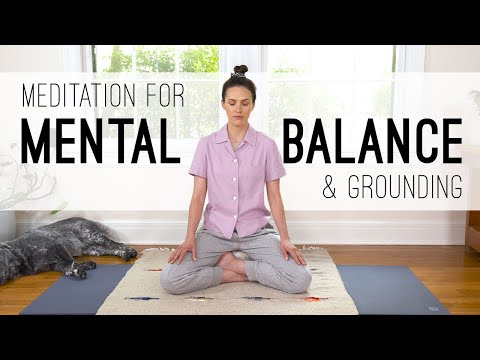
You know those days when everything feels a bit too much? Like, your brain’s buzzing, and you can’t quite catch your breath?
Well, that’s where grounding mindfulness practices come in. Seriously, these simple tricks can help you feel more centered and calm.
Imagine being able to pause the chaos around you. Just for a moment, right? You don’t need a mountain retreat or hours of meditation to get there.
It’s all about being present and connecting with what’s real. And let me tell you, it can be a game-changer for your mental wellbeing!
Exploring Grounding Techniques for Mental Health: Practical Strategies to Find Your Center
Grounding techniques are super helpful tools for managing anxiety, stress, or really any emotional overload. They’re all about bringing you back to the present moment and reconnecting with your surroundings. Imagine you’re spiraling into a panic—grounding strategies can pull you back down to earth.
What are Grounding Techniques?
Basically, these are practices that help anchor you in reality, making it easier to cope with overwhelming feelings. They work by engaging your senses or your mind to focus on what’s happening right here, right now.
Physical Grounding
One way to ground yourself is through physical sensations. You might try things like:
- Touch: Grab something with a distinct texture—like a soft blanket or a rough stone—and really feel it.
- Movement: Stand up and stretch or take a short walk. Moving your body gets the blood flowing and helps clear your mind.
- Breathe: Focus on your breath. Inhale deeply through your nose, hold for a moment, then exhale slowly. This can create an instant calm.
I remember a time when I felt completely overwhelmed at work. My heart was racing; it felt hard to breathe just thinking about my never-ending tasks. But I stepped outside for a moment and concentrated on the ground beneath my feet—a simple act of reminding myself I was there, alive and grounded.
Sensory Grounding
Using your senses is another powerful way to ground yourself:
- Sight: Look around and name five things you see. Maybe it’s the colors in the room or shapes of furniture.
- Sound: Close your eyes and listen carefully—can you hear birds outside? The hum of the fridge?
- Taste: Pop something in your mouth—a piece of chocolate or even some ice water can bring you back.
This one time during a family gathering, I felt really anxious about being around so many people. So I took a sip of water and focused on how refreshing it was—the coolness brought me into that moment instead of letting my mind wander.
Cognitive Grounding
Sometimes our thoughts race outta control! Cognitive grounding helps by redirecting those thoughts:
- Acknowledge: Identify what you’re feeling without judgment—“Okay, I’m anxious right now.”
- Categorize: Think about what makes sense—are these thoughts realistic? Will they matter in an hour or day?
- Affirmation: Use positive statements like “I am safe” or “I can handle this.”
One day when I was anxious about an upcoming presentation, instead of spiraling into worry about how I’d mess up, I told myself: “I’ve prepared for this; I’ve got this.” It kept me focused instead of panicking.
The 5-4-3-2-1 Technique
An effective method combines all these aspects into one neat package called the 5-4-3-2-1 technique:
- Name 5 things you see.
- Name 4 things you can touch.
- Name 3 sounds you hear.
- Name 2 things you smell.
- Name 1 thing you taste.
It’s simple and can be done anywhere! Once while sitting at a café feeling jittery from too much coffee, going through this exercise focused me entirely on my environment—not my racing thoughts.
Your Journey With Grounding Techniques
Look, everyone is different; not every technique will click for you immediately—and that’s totally cool! It’s all about experimenting till something feels right. And guess what? You might find that different techniques work better for different situations.
You don’t have to go through this alone either; talking with someone (a friend or therapist) about grounding strategies can also be beneficial as they might share their own experiences.
So next time life feels like too much, just remember you’ve got tools to center yourself again—ground yourself in the present moment and take back control over those swirling thoughts!
10 Grounding Mindfulness Practices for Enhanced Mental Wellbeing: Download Your Free PDF Guide
Grounding techniques and mindfulness practices can seriously help in enhancing your mental wellbeing. They are like little life rafts when your thoughts start to drift away or when emotions get overwhelming. So, let’s break down some grounding mindfulness practices that can bring you back to the present moment.
1. Deep Breathing: This is like hitting the pause button on life. Just take a sec to focus on your breath. Inhale deeply through your nose, hold it for a few seconds, and then exhale slowly. You’ll be surprised how calming this is!
2. 5-4-3-2-1 Technique: This one’s super popular! You name
,
,
,
, and
. It’s all about tuning into your surrounding; it’s so effective!
3. Body Scan Meditation: Find a comfy spot, close your eyes, and mentally check in with each part of your body. Start from head to toe (or vice versa). It’s like a mini-vacation for your mind.
4. Nature Connection: Get outside if you can! Feel the grass under your feet or the wind on your face. Nature has this amazing way of grounding us when life feels chaotic.
5. Mindful Walking: Instead of rushing through a walk, focus on how each part of your body moves with every step—your feet hitting the ground or the rhythm of your heartbeat.
6. Journaling: Writing helps clarify thoughts—kind of like getting all those tangled wires in your head organized into neat little bundles! You don’t even have to make sense; just write whatever comes to mind.
7. Visualization Techniques: Picture yourself in a serene place—like lying on a sunny beach or sitting beside a calm lake. Try to feel what it would be like; it’s such a peaceful escape!
8. Progressive Muscle Relaxation (PMR): Tense and then relax different muscle groups one at a time—from head to toe or toe to head works fine too! This physical sensation can help release built-up tension.
9. Gratitude Practice: Take a moment each day to reflect on something you’re grateful for—big or small! It shifts focus from stressors and helps maintain positivity.
10. Play with Your Senses: Use sensory items around you—a soft blanket, scented candle, or even listening closely to music that lifts you up! Engaging senses pulls you back into the now.
Incorporating these grounding mindfulness practices doesn’t have to be complicated; they’re often just simple adjustments in our daily routine that help flip the switch back to calmness when anxiety knocks at the door. They reconnect us with ourselves and our environments, which is exactly what we sometimes need, right?
Unlock Inner Peace with Essential Mindfulness Grounding Techniques: Free PDF Guide
Grounding techniques are like little anchors amidst the chaos of life. They help you reconnect with your body and the present moment, which can be super helpful when stress, anxiety, or overwhelming emotions start creeping in. Essentially, you’re learning to center yourself in a chaotic world.
So, what’s mindfulness grounding all about? Well, it’s about pulling your attention back to the here and now using your senses. You know, focusing on what you can see, feel, hear—basically anything that helps remind you that you’re alive and kicking.
Some effective techniques include:
But hey, let’s get real for a sec. You might have days when grounding techniques feel hard to stick with. It happens! Maybe you’re feeling unusually anxious or just distracted by a million thoughts racing through your head.
Let me tell you about my friend Sarah. Every time she felt overwhelmed at work—like when deadlines loomed large—she’d step outside for a quick grounding exercise by her favorite tree. She’d close her eyes and focus on the bark’s texture under her fingers while hearing the rustle of leaves overhead. Honestly? It saved her sanity more than once.
Implementing these practices regularly does wonders:
Incorporating mindfulness grounding into your daily routine doesn’t have to be complicated or time-consuming either. Even taking just five minutes while waiting for coffee can make a difference!
To sum it up: Mindfulness grounding techniques are powerful tools that aid in connecting with yourself during life’s ups and downs. They’re not just quick-fixes but paths toward long-term peace of mind if you give them a chance! So why not give some of these ideas a whirl next time life feels too busy or stressful? You might just find that inner calm you’ve been looking for!
You know, sometimes life feels like it’s spinning out of control. Maybe you’ve had one of those days where your thoughts just race, and it’s like you can’t catch your breath. I remember a time when I got so overwhelmed at work that my brain felt like a jumbled mess of to-do lists and worries. It was tough to focus on anything. That’s where grounding mindfulness practices come in, honestly.
So, grounding mindfulness is all about bringing yourself back to the present moment. It’s like hitting the pause button when everything around you feels chaotic. You might think it sounds a bit woo-woo or something, but trust me, it can be super effective.
Picture this: you’re sitting somewhere quiet—or maybe even in the middle of a crowded café—and you just take a moment to notice your surroundings. Feel your feet on the ground; maybe wiggle your toes a bit. What’s under them? Cold tile or soft carpet? Just tuning into those sensations can really help calm that racing mind of yours.
Another trick is focusing on your breath. Seriously—so simple, yet so powerful! Just breathing in deeply through your nose and slowly out through your mouth can shift how you feel almost instantly. You know what happens? Your heart rate slows down; those anxious vibes start to ease up, and suddenly you’re not as tangled in worries as before.
Even though it sounds simple, grounding practices don’t always work right away for everyone. Like that time I tried meditation for the first time—it felt awkward! But with practice, it clicked for me. You might need to find what resonates best with you—a body scan, counting breaths, or even just sipping warm tea mindfully can do wonders.
Mindfulness isn’t about chasing away bad thoughts completely; it’s more about creating space for them without letting them take over. It gives you a chance to acknowledge whatever you’re feeling without judgment—like saying “Hey anxiety, I see you there” and then gently setting it aside.
Honestly, taking these little moments throughout the day can make such a difference for your mental wellbeing. They remind us that life continuously moves forward—even if we sometimes feel stuck in our heads! So next time things get hectic, try grounding yourself in some way—it could really help pull you back into the here and now when you need it most.