Hey! So, let’s talk grounding. You ever feel like your mind’s racing a mile a minute? Or maybe you just can’t shake off that anxious vibe?
Grounding practices can be super helpful. They’re like little mental anchors that keep you steady when life gets chaotic. Trust me, they’re worth knowing about.
It’s all about finding ways to bring yourself back to the present moment. Like, instead of getting lost in worries or what-ifs, you focus on what’s right in front of you. Sounds simple, right? But it can make a huge difference.
So grab a comfy chair or find a cozy spot; we’re diving into ways to help enhance your mental wellbeing and feel more centered. Ready? Let’s do this!
Understanding the 3-3-3 Rule: A Simple Grounding Technique for Stress Relief
The 3-3-3 rule is like a little life raft when stress feels overwhelming. It’s a simple grounding technique that can help bring you back to the present moment. The idea behind it is super straightforward—you just identify things around you to anchor your mind when anxiety hits.
Here’s how it goes:
First, you find three things you can see. Look around you. Is it the pattern on your shirt? Maybe it’s the color of the walls or a tree outside. This helps shift your focus from whatever’s bothering you to what’s right in front of you.
Next, name three things you can touch. This could be the fabric of your couch, your own hands, or even something like a piece of jewelry you’re wearing. Focusing on texture and sensation can pull you back into your body and out of that swirling anxious thought cycle.
Finally, listen for three sounds. It might be the hum of an air conditioner, birds chirping outside, or someone talking in another room. Tuning in to sound reminds you that there’s a world around you that keeps moving, regardless of how stressed you’re feeling.
I remember this one time when my friend was having an absolute meltdown over a big presentation she had coming up. She was pacing and her thoughts were all over the place—totally lost in stress. I reminded her about the 3-3-3 rule. So she took a deep breath and looked around—and boom! Suddenly she was counting things she could see: the lamp, her laptop, and some picture frames on her desk. Just doing that shifted her focus enough to calm down.
Using this technique doesn’t take long at all—seriously only a minute or two—yet it can be super effective in bringing some clarity back into a chaotic mind space.
It’s great for those moments when anxiety feels like it’s taking over or if you’ve got racing thoughts keeping you from focusing on whatever’s at hand. Grounding practices like this one remind us that we have tools at our fingertips for moments of distress.
So next time stress hits hard—like really hard—give this 3-3-3 rule a shot. You might just find yourself breathing easier in no time flat!
Mastering the 5 4 3 2 1 Grounding Technique: A Simple Guide to Overcoming Anxiety
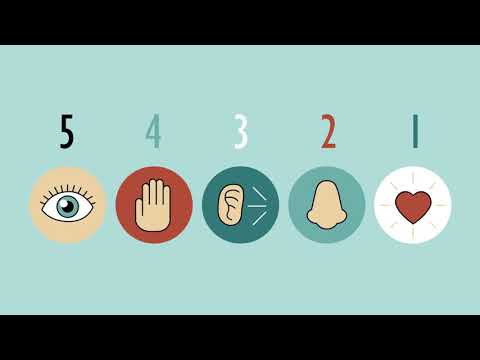
So, anxiety can feel like a heavy blanket, right? You might be going about your day when suddenly, BAM! Your heart races, your palms sweat, and it’s hard to breathe. It’s in moments like these that grounding techniques become your best friends. One of the simplest and most effective ones is the 5 4 3 2 1 grounding technique. It’s all about pulling you back to the present moment.
Here’s how it works. Basically, it encourages you to connect with your senses. When you’re feeling overwhelmed, you focus on what you can see, hear, touch, taste, and smell in your environment. This isn’t just some random exercise; it’s a strategy that can really help redirect your thoughts when anxiety hits.
Let’s break it down step-by-step:
1. Five things you can see. Look around you and take note of five things. Maybe it’s a painting on the wall or a tree outside the window. Just pick whatever catches your eye! Feel free to say them out loud or write them down if that helps.
2. Four things you can feel. This one’s pretty neat! Notice four things that are touching your skin right now. Is it the warmth of sunlight? The fabric of your shirt? Or maybe even the coolness of a chair? Engaging with what’s touching you can bring comfort.
3. Three things you can hear. Close your eyes for a second (if safe) and tune into the sounds around you. It could be birds chirping outside or perhaps someone talking in another room. Whatever makes noise counts!
4. Two things you can smell. Take a deep breath (if possible). What scents are wafting through the air? Maybe freshly brewed coffee or just homey soap from washing up earlier? Sometimes we forget about smells until we really pay attention!
5. One thing you can taste. This could be as simple as noticing how water tastes after taking a sip or savoring that last bite of lunch lingering in your mouth.
By working through these steps, you’re not just distracting yourself; you’re literally shifting focus back on reality while calming that anxious vibe down.
You know what I love about this technique? It’s super easy to do anywhere—at home, in the office, even while waiting in line somewhere annoying! And once you’ve practiced it a few times, you’ll probably find yourself using it without even thinking too hard about it.
Remember how I mentioned anxiety feels like being trapped under that heavy blanket? Doing this grounding technique is like rolling off that blanket and taking a deep breath again—it reconnects you with what’s real around you instead of getting lost in those swirling thoughts.
So seriously… next time anxiety starts creeping up on ya like an unwelcome guest at a party, give 5 4 3 2 1 a shot—it might just save the day!
Understanding the 5 Grounding Techniques: A Path to Better Mental Health
Grounding techniques are really useful for managing overwhelming emotions or anxiety. They help pull you back into the present moment, which can be a serious lifesaver when your mind feels like it’s spiraling out of control. Basically, grounding practices can improve your mental wellbeing by connecting you to the here and now.
1. The 5-4-3-2-1 Technique: This one’s pretty popular and super easy to remember. You look for things using your senses. You find five things you can see, four things you can touch, three things you can hear, two things you can smell, and one thing you can taste. Seriously, just focusing on these feelings helps take the pressure off your racing thoughts. Try it next time you’re feeling anxious!
2. Deep Breathing: It’s amazing how something as simple as breathing can change your mood! By taking deep breaths—like inhaling through your nose for four counts, holding it for four counts, then exhaling through your mouth for six—you’re sending a signal to your body that it’s time to calm down. I remember a time when I was feeling super stressed before an important meeting; just a few rounds of deep breathing helped clear my head.
3. Body Awareness: This method involves paying close attention to how your body feels in the moment—like noticing tension in your shoulders or any other areas that feel tight or uncomfortable. Just sitting quietly and checking in with yourself can help ease anxiety. You might even try doing some gentle stretches while focusing on those feelings to release any built-up stress.
4. Visualization: Okay, so this one is all about imagination! Picture a place where you feel at ease—maybe it’s a beach or a cozy coffee shop—and really dive into the details: the colors, scents, sounds…everything! This mental escape helps create a calming experience during tough times and brings a sense of peace.
5. Affirmations: Positive affirmations are phrases that you’ll repeat to yourself when you’re feeling down or uncertain? Something like “I am safe” or “I am enough.” It sounds simple but saying these phrases out loud can shift your mindset over time and build self-esteem.
Incorporating these techniques into daily life takes some practice but they’re totally worth it for better mental health management. The thing is—everyone has different preferences; what works wonders for one person might not resonate with another. So don’t get discouraged if something doesn’t click right away; just keep experimenting until you find what really grounds you!
You know, life can sometimes feel like a rollercoaster, right? One minute you’re soaring high with joy, and the next, you’re spiraling down into worry or anxiety. That’s where grounding practices come in. They’re like your mental anchor when everything’s feeling a bit chaotic.
Grounding is all about reconnecting with the present moment. It’s finding that space where you can breathe and feel solid, even when your thoughts are racing. I remember a time when I was knee-deep in stress from work and personal stuff. My mind felt like a thousand tabs were open at once. I couldn’t focus on anything! So, I decided to give grounding techniques a shot.
One day, I stepped outside into my backyard. Seriously, just stepping into the fresh air worked wonders. I took a few deep breaths and gave myself permission to notice things around me—the way the sunshine felt on my skin, how the grass tickled my feet, and even the sound of birds chirping away. It was like suddenly hitting pause on all those swirling thoughts. You know what? After just a few minutes of soaking it all in, I felt lighter somehow.
There are loads of different grounding techniques you can try out. Some people swear by mindfulness exercises or meditation, while others might lean towards something active—like going for a run or practicing yoga. Honestly, it’s about finding what resonates with you personally.
Another simple method is using your senses to get back in touch with reality—like paying attention to what you see, hear, or touch right now. For example, have you ever tried holding an ice cube? Sounds weird but hear me out! The sudden cold makes you focus on that sensation instead of whatever’s bogging you down mentally.
And let’s not forget about tapping into gratitude—shifting your focus to things you’re thankful for can really shake off that heavy vibe too! It’s interesting how much light shines through when you consciously look for the good stuff.
The bottom line is this: everyone has their own unique way of grounding themselves to feel better mentally. It takes some experimentation for sure but don’t be afraid to play around with different techniques until something clicks! Whenever life gets overwhelming again—and it will—you’ll have those tools ready in your pocket to help bring you back down to earth again.