You know that feeling when everything feels a bit too much? Like your mind’s racing, and you just can’t catch a break? Yeah, that’s pretty common after some tough stuff happens. Trauma has a way of hanging around, making even everyday moments feel overwhelming.
But here’s the thing: there are ways to help yourself calm down. Grounding techniques are like little tools you can pull out of your pocket when life feels chaotic. They help keep you in the present, so your past doesn’t trip you up all the time.
Imagine being able to take a deep breath and feel your feet on the ground again, even in those messy moments. It’s like hitting pause for a second so you can reboot. And trust me, these tricks can be super helpful in therapy too. You’re not alone in this journey—let’s unpack some of these grounding techniques together!
Understanding Grounding Techniques: Effective Tools for Trauma Therapy
Grounding techniques are like lifelines when you’re dealing with tough emotions or memories, especially in trauma therapy. They help pull you back to the present moment and away from overwhelming feelings that can feel like a rollercoaster ride you didn’t sign up for.
What are Grounding Techniques?
Basically, grounding techniques are strategies that help you stay connected to the here and now. When trauma hits, your mind can drift off to past experiences that really shake you up. Grounding is a way to anchor yourself so you don’t get swept away by those intense feelings.
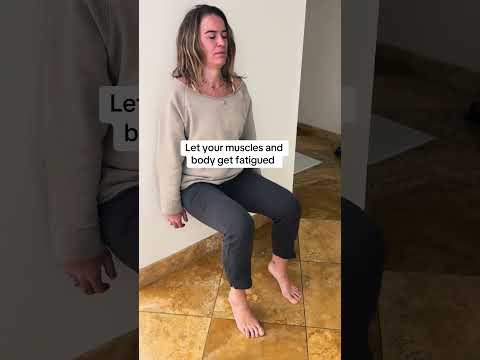
- Physical Grounding: This involves using your body to connect with your surroundings. Things like feeling the ground beneath your feet or touching a textured object can help.
- Sensory Grounding: Engaging your senses can be super helpful. Focus on what you see, hear, or smell around you. Like noticing the color of a wall or the sounds of nature can bring you back.
- Cognitive Grounding: This one’s about using your mind—like counting backward from 100 or naming all the states in alphabetical order. It’s distracting but in a good way!
So why do these work? Well, trauma often pulls us into memories filled with fear or pain; grounding techniques remind us that we’re safe right now. A friend of mine once shared how she used grounding when her anxiety spiked during therapy sessions. She would focus on her breath and count her heartbeats, and it honestly became a game-changer for her.
The Power of Breathing
One of the simplest yet amazing grounding tools is deep breathing. Just taking slow, deep breaths helps shift your focus back to what’s going on around you instead of what’s happening in your head.
You might also try the 5-4-3-2-1 Technique. It’s super relatable! You identify:
- 5 things you see
- 4 things you can touch
- 3 things you hear
- 2 things you smell
- 1 thing you taste
This exercise is like giving your brain a mini-vacation from its worries.
The Role in Trauma Therapy
Grounding techniques fit perfectly into trauma therapy because they offer immediate relief when anxiety spikes or when memories flood in unexpectedly. Therapists often introduce these methods early on so clients have tools ready for tougher times ahead.
They’re not just temporary fixes—they’re long-term skills too! As clients practice them regularly, they start feeling more empowered and in control over their emotional lives.
In short, grounding techniques are vital tools in trauma therapy that help stabilize emotions and promote healing by anchoring individuals to the present moment during distressing times. And while they might seem simple at first glance, their impact can truly be profound as part of the journey to recovery!
Understanding the 3 3 3 Rule for Managing PTSD: A Practical Guide
Understanding the 3 3 3 Rule for Managing PTSD
So, you might be wondering what the 3 3 3 Rule is all about. It’s actually a simple grounding technique that many people find super helpful when dealing with PTSD or anxiety. Basically, this method helps pull you back into the present moment when those heavy feelings start crashing down on you.
Here’s how it works:
1. Identify three things you can see. Look around you and take notice of your surroundings. It could be a cozy blanket, a picture on the wall, or even your favorite coffee mug. Focusing on these visible elements helps anchor you in the here and now.
2. Identify three things you can hear. This part is cool because it encourages you to tune into sounds. Whether it’s birds chirping outside, the hum of your fridge, or the faint sound of distant traffic, really listen to those noises. They remind us we’re part of a world that keeps moving.
3. Identify three things you can feel. This doesn’t just mean emotions; it’s more about tactile sensations. Maybe it’s the softness of your sweater against your skin, your feet pressing into the ground, or even how cool a glass feels in your hand. Each sensation grounds you and brings attention away from distressing thoughts.
You know how sudden memories or flashbacks from trauma can feel like they’re taking over? When that happens, using the 3 3 3 Rule can act as an anchor—something to grip onto while everything else feels chaotic.
When I first tried this technique myself during a particularly tough day, I felt almost ridiculous at first—like, why would focusing on my environment help? But as soon as I started naming those things out loud—“I see my cat sleeping,” “I hear my partner cooking,” “I feel my breath”—it was like flipping a switch in my brain. The panic eased up just enough for me to breathe again.
Remember: grounding techniques like this aren’t magic cures but rather just tools in your toolbox for when things get rough. Consistency is key, so practicing it regularly can make it easier to reach for when you’re really feeling overwhelmed.
In therapy, this kind of exercise often gets paired with other coping strategies tailored specifically for trauma recovery. So while you’re working through those bigger feelings with a professional, don’t forget about these little tricks; they might become essential pieces of your healing journey over time!
Understanding the 5-4-3-2-1 Grounding Technique for Managing PTSD
The 5-4-3-2-1 grounding technique is one of those handy tools that can help you when things get overwhelming, especially if you’re dealing with PTSD. Sometimes, it feels like the world is closing in on you, and that’s where grounding comes in. This method helps you anchor yourself in the moment, pulling your focus away from distressing thoughts or feelings.
So, how does it work? Basically, it’s about using your senses to bring your focus back to the here and now. You’re tapping into sight, sound, touch, taste, and smell so that you can ease anxiety or panic. It might sound a bit simple at first glance, but trust me—it can be powerful.
Here’s the breakdown:
- 5 things you can see: Look around and notice five different things. It could be a chair, a plant, or even the clouds outside. Just really take them in.
- 4 things you can feel: This is about physically touching something. It might be your clothes against your skin or the surface of a table. Pay attention to those textures.
- 3 things you can hear: Try to listen intently for sounds around you. It could be birds chirping or traffic in the distance—whatever catches your ear.
- 2 things you can smell: Focus on scents nearby. Maybe it’s coffee brewing or fresh laundry—anything that stands out.
- 1 thing you can taste: Finally, think about something that’s in your mouth right now—maybe it’s gum or just the aftertaste of lunch.
Doing this exercise may feel strange at first but give it a try anyway! You know how sometimes when you’re feeling anxious and need an outlet? My friend Lisa used this technique after experiencing a flare-up of her PTSD symptoms during a crowded event. By focusing on her surroundings—a blue door frame she kept looking at and the smell of popcorn wafting through—she felt herself relax more than she expected.
The beauty of this technique is its simplicity—you don’t need fancy equipment or even a quiet place to practice it; just yourself and some awareness of what’s happening around you.
Just remember: grounding techniques aren’t magic fixes for everything but they offer little moments of peace amidst chaos. They help build resilience over time too! It’s like giving yourself tiny breaks to reset when life gets heavy.
So next time anxiety hits hard, grab hold of this 5-4-3-2-1 trick! It might just help pull you back when you’re feeling lost in those overwhelming moments that seem never-ending.
So, grounding techniques. They’re like this super handy toolbox when you’re working through trauma in therapy. You know how sometimes you feel totally out of control, like your mind is racing a mile a minute? That’s trauma playing tricks on you. Grounding helps bring you back to the present moment and reminds you that you’re okay right here, right now.
I remember a friend of mine who went through some pretty tough stuff. There were days she’d just spiral into those dark thoughts from her past—it’s like she’d step into this time machine and boom! She was right back there, feeling all those painful emotions again. It was really hard for her to break out of that loop. But then, she started using grounding techniques. It was amazing to see the shift. She’d focus on her breath or touch something familiar—like a smooth stone or a cozy blanket—and suddenly she’d be back in the room with us instead of lost somewhere else.
There’s such power in these little practices! Things like deep breathing or even clenching and relaxing your fist can remind your body that it’s safe now. You can also use your senses: notice five things you see, four things you can touch, three sounds you hear… all of that helps pull you right back into the moment.
But let’s be real; it’s not always easy. Even when my friend practiced these techniques regularly, sometimes they didn’t work as well as others. And that’s okay! Healing isn’t linear; it’s more of a messy rollercoaster ride with ups and downs. The key is just being patient with yourself and staying open to trying different methods.
In therapy, your therapist might guide you through these techniques initially, but the goal is to make them yours—to find what resonates with you personally. It could be visualization, journaling, or even going for a walk outside where nature grounds you in its own way.
At the end of the day, grounding techniques are about finding ways to weave safety into your everyday life after trauma. They don’t erase the pain, but they help create moments where healing can start to happen—not just in therapy but out there in the world too.