Hey, you know those days when everything feels a bit too much? Like, your thoughts are racing and you just can’t seem to catch your breath? Yeah, I’ve been there.
So, grounding techniques are like little lifesavers. They can help bring you back to the present moment when anxiety or stress start creeping in. It’s all about finding solid ground again, literally and figuratively!
These tricks can seriously boost your mental health resilience. They’re simple but effective—no fancy stuff required. Just real ways to help you feel more centered when life gets overwhelming, you know?
Let’s chat about some of these techniques that might just do the trick!
Discover Powerful Grounding Techniques to Build Resilience and Enhance Mental Well-Being
Grounding techniques are like little life rafts for your mental health. They help you stay present, calm your mind, and build resilience when things get tough. You know how sometimes your thoughts can spiral out of control? Well, grounding is a way to bring those runaway thoughts back to earth.
What Are Grounding Techniques?
They’re simple strategies that help you connect with the here and now. When you’re feeling anxious or overwhelmed, these practices can create a buffer between you and the storm in your head.
Types of Grounding Techniques
There are a few different styles of grounding techniques you might find helpful. Each one has its vibe and can work for different situations.
- Physical Grounding: This involves focusing on your body. For example, planting your feet firmly on the ground or pressing your back into a chair can give you that solid feeling of being anchored.
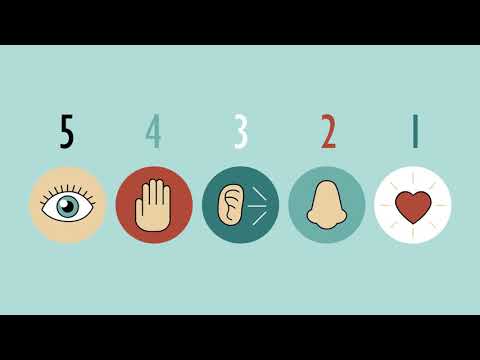
- Sensory Grounding: Engaging your senses helps pull you into the moment. Try noticing five things you can see around you, four things you can touch, three sounds you hear, two smells, and one taste.
- Cognitive Grounding: This technique uses your brainpower to distract yourself from distressing thoughts. You could count backward from 100 by threes or recall every state in the U.S.
Let me share an example: Imagine you’re having a really rough day at work—like everything feels like it’s crashing down around you. You take a moment to breathe deeply and notice how solid the floor feels under your feet while counting the tiles on the wall in front of you. It’s all about redirecting that anxious energy.
Why Build Resilience?
Building resilience doesn’t mean ignoring life’s challenges; it’s about learning how to bounce back from them more effectively. When we practice grounding techniques regularly, they become second nature during stressful times.
Think of it like working out at the gym; the more consistently you train those muscles, the stronger they get! You might not see results overnight, but over time you’ll notice you’re handling life’s ups and downs with more grace.
The Power of Routine
Integrating these techniques into your daily routine makes all the difference. You might set aside just five minutes each morning to ground yourself before diving into whatever life throws at you that day.
Or maybe at night, as part of winding down, spend some time reflecting on three positive things that happened during the day while taking deep breaths—literally bringing peace right before bed!
Remember: everyone’s different! So it might take some experimenting to see which grounding methods truly click for you.
Ultimately, grounding techniques are about creating space between what you’re feeling and how you’re responding to it. They give you tools to navigate through life’s chaos while maintaining that essential sense of self—like having an emotional safety net when high winds threaten to blow through.
Next time life gets heavy? Reach for one of these grounding strategies!
Understanding Grounding Techniques: Effective Strategies for Mental Health Well-Being
Grounding techniques. You might have heard that term floating around, especially if you’ve been looking for ways to manage stress, anxiety, or, you know, just those overwhelming moments life throws at you. So what are grounding techniques exactly? Well, they’re basically simple strategies to help you stay connected to the present. This can be super helpful when your mind starts racing with worries or negative thoughts.
The thing is—when you’re feeling anxious or triggered by something, it’s easy to spiral down a rabbit hole of despair or panic. Grounding techniques aim to pull you back and remind you that you’re here and now. They help reduce emotional distress and promote a sense of stability.
Here’s a breakdown of some effective grounding strategies:
- 5-4-3-2-1 Technique: This one’s pretty cool because it engages your senses. First, look around and identify five things you can see. Then four things you can touch. Next comes three sounds you can hear. After that, think of two smells (or if that’s tough, just think about your favorite scent). Finally, focus on one thing you can taste.
- Deep Breathing: One of the simplest yet effective methods! Just take a deep breath in through your nose for a count of four, hold it for four counts, then breathe out through your mouth for six counts. Seriously—it helps calm your nervous system.
- Mindful Observation: Find an object nearby—maybe it’s a plant or even a pen. Spend some time just noticing its details—the color, texture, shape. This draws your attention away from distressing thoughts.
- Movement: Sometimes just getting up and moving helps break the cycle of anxiety or negative emotions. A quick walk around the block or even stretching at home can do wonders.
- Sensory Focus: Grab something with texture—like a stress ball or even ice cubes! Focus all your attention on how it feels in your hand—coldness, smoothness—and let everything else fade away.
These techniques aren’t one-size-fits-all; some work better for certain people than others. It might take some experimenting before finding what clicks for you.
Let me share an example: Imagine you’re sitting in class when suddenly an anxiety wave hits—you feel trapped as everyone around seems perfectly calm while you’re internally freaking out! You could pull out the 5-4-3-2-1 technique right there: scan the room; find five things like that poster on the wall or someone’s shoes; feel how solid the chair is beneath you; focus on three sounds like whispers or pages turning… Suddenly (and thankfully), you’re back in reality.
And here’s another thought: grounding isn’t just about calming down in crisis mode—it can be practiced regularly too! Think of it as mental exercise; when life gets tough, having these techniques at hand helps build emotional resilience over time.
In summary? Grounding techniques are valuable tools for managing anxiety and staying present amidst chaos. You never know when life will toss something serious at ya—so having these strategies ready can be really beneficial for mental well-being!
Essential Grounding Techniques for Enhancing Mental Health Resilience – Free PDF Guide
Well, let’s talk about grounding techniques for enhancing mental health resilience. You might be wondering, what does that even mean? Basically, grounding techniques are simple strategies that help you stay connected to the present moment. They can be super useful when you’re feeling overwhelmed or anxious. You know those times when your mind just runs away with itself? Grounding techniques can help reel it back in.
Why Use Grounding Techniques?
The whole idea behind these techniques is to anchor you in reality. They can pull you out of a spiral of negative thoughts or feelings. It’s like having a safety net for your mental state. Instead of getting lost in worries about the past or future, grounding helps you focus on what’s happening right now.
Some Easy Techniques to Try
Here are some practical grounding methods that you might find helpful:
- The 5-4-3-2-1 Method: This one’s pretty popular and effective. You start by noticing five things you can see around you. Then four things you can touch, three things you hear, two things you smell, and one thing you taste. This technique pulls your attention back to the environment.
- Deep Breathing: Sounds simple, right? But it’s powerful! Take a deep breath in through your nose for a count of four, hold it for four seconds, and then exhale slowly through your mouth for six seconds. Repeat this a few times until you feel more grounded.
- Physical Sensations: Focus on how your feet feel touching the ground while standing or sitting. Wiggle your toes or press them into the floor. This physical connection can remind you that you’re safe and here right now.
- Mental Math: Try doing some quick calculations in your head—like adding two-digit numbers together or counting backward from 100 by sevens. Focusing on numbers gives your brain an immediate task and distracts from swirling emotions.
- Your Senses: Grab an item nearby, like a piece of fruit or a small object, and examine it closely—how it feels in your hand, its color, texture, weight . . . everything! Engaging with what’s tangible can really bring clarity to an chaotic mind.
Anecdote Time!
Think about someone who experienced panic attacks often—let’s call her Sarah. She would be fine one moment then suddenly overwhelmed with fear and anxiety out of nowhere. Eventually she learned to use grounding techniques like the 5-4-3-2-1 method during those moments when everything felt too intense; she’d look around her room and focus on details she usually overlooked—like her pink lamp or the way sunlight danced off her bookshelf. Over time she found herself feeling more control over those spinning thoughts.
The Bottom Line
Grounding techniques are not just quick fixes; they’re tools for building resilience over time. They help train our brains to deal with stress more effectively instead of getting tangled up in our worries.
So whenever life feels like it’s about to tip over into chaos—just remember there are simple ways to regain control and stay connected right where you are!
You know those days when everything feels like too much? Like, your mind is racing, thoughts are bouncing around like they’re having a party that you didn’t invite yourself to? Yeah, I’ve been there. It’s overwhelming. That’s where grounding techniques come in—they’re pretty handy for putting a pause on the chaos.
So, grounding techniques are basically tools to help you reconnect with the here and now. They pull you out of that swirling vortex of anxiety or sadness and bring you back to solid ground. I remember this one time when I was feeling really anxious—like my brain was running a marathon, and I couldn’t catch my breath. A friend suggested doing some deep breathing and focusing on my surroundings. At first, it felt kinda silly, but after a few minutes of just paying attention to the sights and sounds around me, I started to feel more centered.
There are loads of ways to ground yourself. Some people like the classic “5-4-3-2-1” method: You name five things you can see, four things you can touch, three things you can hear, two things you can smell (or recall), and one thing you can taste. It’s like a little scavenger hunt for your senses! And honestly? It works wonders.
And then there’s the good old deep breathing. Just taking a moment to inhale deeply through your nose and exhale slowly through your mouth—super simple but so effective! You’d be amazed at how just slowing down your breath can help clear out some mental cobwebs.
But hey, everyone is different. Some folks might find comfort in physical activity—like going for a run or even just stretching out on the floor while listening to their favorite tunes. Others might connect better through art or writing. The key is finding what clicks for you.
The cool thing about these techniques is they help build mental resilience over time. You start recognizing those anxious feelings earlier instead of getting swept away by them each time they pop up. And that sense of empowerment? Totally priceless.
So next time life’s throwing curveballs at you and you’re feeling scattered or overwhelmed? Give some grounding techniques a shot! You might just find that little slice of peace waiting for you right there in the chaos.