Hey, you ever feel like your brain’s just all over the place? Like, one minute you’re focused on math homework, and the next, BAM! You’re daydreaming about lunch. It can be tough, right?
That’s where grounding techniques come in. Seriously, they’re like little life hacks for managing those ADHD symptoms. They help you pull yourself back to the present when your mind wants to wander off on its own adventure.
If you’re looking for ways to feel a bit more centered and calm when things get chaotic in that head of yours, stick around. I’ve got some cool strategies to share!
10 Effective Grounding Techniques for Managing ADHD Symptoms
Managing ADHD can feel like trying to juggle a million things at once while riding a rollercoaster. One minute you’re super focused, and the next, you’re completely lost in thought. Grounding techniques can be lifesavers here—they help you anchor yourself in the present moment and navigate through distractions. Here are some effective ones that might just do the trick.
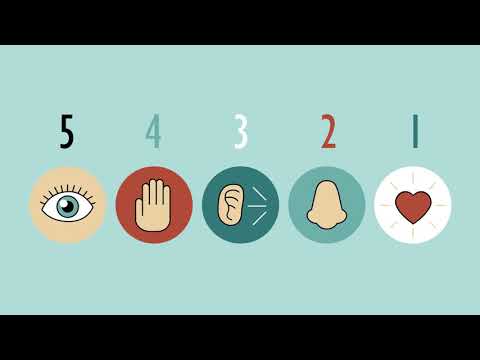
1. 5-4-3-2-1 Technique
This is all about using your senses. Take a breath and look around. Identify five things you can see, four things you can touch, three sounds you hear, two scents, and one taste. It pulls your attention into the here and now.
2. Deep Breathing
Slow down your breathing to ease that racing mind of yours. Try inhaling for four seconds, holding it for four more, then exhaling for six seconds. It’s like giving your brain a much-needed hug.
3. Mindful Observation
Pick an object—maybe a plant or even a coffee mug—and focus on it without any distractions for a few minutes. Notice its colors, shapes, textures…even the way light plays on it! This is kind of like hitting pause on your swirling thoughts.
4. Body Scan
Start from your head and work down to your toes (or vice versa). Pay attention to how each part of your body feels—any tension or relaxation? This helps reconnect with yourself physically and mentally.
5. Physical Movement
Whether it’s a quick walk or some stretching, moving your body gets blood flowing and releases energy that might be stuck inside from sitting too long or feeling anxious.
6. Fidget Tools
Fidget spinners or stress balls aren’t just toys—they’re tools! They give your hands something to do while allowing your mind to focus better on tasks at hand.
7. Create a Routine
Having a structured daily schedule helps reduce chaos in life—like knowing when it’s time for dinner versus homework time. When each moment is mapped out, there’s less room for distractions to creep in.
8. Visualization Techniques
Imagine yourself in another place—a peaceful beach or quiet forest—and really picture it! Think about what you see, hear, smell… This distracts from overwhelming feelings while promoting calmness.
9. Journaling
Writing down thoughts can help clear up mental clutter that comes with ADHD symptoms—kind of like cleaning out an overstuffed closet! Just let whatever comes to mind flow onto paper without worrying about grammar or structure.
10. Engage with Nature
Get outside if you can! Nature has this magical ability to ground us—it’s refreshing and serves as an instant mood booster whether you’re hiking or just sitting under a tree.
Finding what works best might take some trial and error—it’s all part of the journey! But sticking with these techniques can make managing ADHD feel less like chaos and more like controlled fun (you got this!).
Effective ADHD Strategies for Adults: Download Your Free PDF Guide
Sure, let’s talk about some effective strategies for managing ADHD symptoms, especially using grounding techniques. If you’re adulting with ADHD, you probably know that it can feel like your brain is firing on all cylinders—sometimes in a chaotic way. Seriously, the distractions can be intense. But there are strategies that can help calm that mental storm.
Grounding techniques are all about anchoring yourself in the present moment. They can really help when your thoughts start racing or when you feel overwhelmed. Here are some solid approaches to consider:
- 5-4-3-2-1 Exercise: This is a classic grounding technique. You identify 5 things you can see, 4 things you can touch, 3 things you can hear, 2 things you can smell, and 1 thing you can taste. It pulls your mind from high-speed to chill mode.
- Mindfulness Meditation: Taking just a few minutes to focus on your breath or observe your thoughts without judgment helps create space between feelings and reactions. You might find it hard at first—like trying to catch a butterfly—but with practice, it gets easier.
- Physical Movement: Getting up and moving around—whether it’s stretching or going for a short walk—can help shake off that restless energy. When I get stuck in my head, sometimes even just bouncing on my toes does the trick!
- Journaling: Putting pen to paper (or fingers to keyboard) helps clear mental clutter. Try jotting down what’s bothering you or even what you’re grateful for at the moment. It’s like taking out the trash but for your brain.
- Sensory Activities: Engaging your senses directly keeps you grounded. You might play with a stress ball, listen to music, or even try aromatherapy with essential oils that calm your mind.
Sometimes these techniques sound simple but they pack a punch against ADHD symptoms! What really matters is finding out which ones resonate with **you** and sticking with them.
And hey, if grounding exercises aren’t quite cutting it on their own? That’s cool too! Pairing these techniques with other strategies for organization and time management could work wonders as well.
Imagine being wrapped up in distractions one day while simply noticing how it feels physically—you know? Like realizing you’re not actually floating away from the task at hand but firmly planted right here where you need to be.
Cultivating this mindfulness muscle takes time though. Don’t be discouraged if it feels awkward initially; that’s normal! Just remember: every little effort counts towards feeling more centered amidst the whirlwind of daily life with ADHD.
So there you have it; focus on these grounding techniques as part of a bigger toolkit tailored just for **you**!
Effective Coping Mechanisms for Navigating Undiagnosed ADHD Symptoms
Navigating life with undiagnosed ADHD can be a wild ride. You might feel like your mind’s racing while the world keeps moving at its own pace. Sometimes, just keeping track of all the things you need to do feels overwhelming. But there are some effective coping mechanisms that can seriously help you manage those symptoms.
Grounding Techniques are super useful here. These are strategies that help bring your focus back to the present moment, which can be a lifesaver when distractions seem to multiply. One grounding technique is the 5-4-3-2-1 method. You basically pause, take a deep breath, and then identify:
- 5 things you can see around you.
- 4 things you can touch.
- 3 things you hear.
- 2 things you can smell.
- 1 thing you can taste.
This little exercise helps shift your focus from what’s stressing you out at that moment to what’s right in front of you. Seriously, it works!
Another great tool is doodling or drawing. Now, before you roll your eyes, hear me out! When you’re doodling, it gives your hands something to do while your brain processes information or calms down from overstimulation. It’s like letting your creativity take charge while keeping anxiety at bay.
Next up is creating a structured routine. I know routines might sound boring, but they’re actually comforting! Planning your day into chunks—like work periods followed by short breaks—can help keep your mind on track. Use timers or alarms on your phone to remind yourself when it’s time to switch gears. . It could be as simple as spending five minutes focusing on your breath. Inhale deeply through your nose and exhale through your mouth—feels nice, doesn’t it? It brings down anxiety levels and sharpens focus.
Oh! And physical activity? That’s golden too! Even just a quick walk around the block or some jumping jacks helps get those endorphins flowing, which boosts mood and sharpens concentration.
Finally, let’s talk about . Writing down thoughts and feelings can clear mental clutter. When life feels chaotic, jotting down everything swirling in your head can make it way more manageable. Plus, it helps track patterns over time.
If these coping mechanisms seem a bit much at first, don’t sweat it! Try them one by one and see what clicks for you. You’re not alone in this; millions navigate ADHD challenges every day without even knowing it yet. And remember: finding what works best for *you* takes time and patience.
You know, managing ADHD can sometimes feel like trying to catch a butterfly with your bare hands. One moment you’re focused on something, and the next, your mind is all over the place. Trust me, I get it. There are days when keeping track of everything just seems impossible.
That’s where grounding techniques come in. They’re like little anchors that help pull you back into the here and now. Imagine you’re in a big crowd, feeling overwhelmed by noise and movement. You can use these techniques to refocus your thoughts and regain some control. It’s like hitting a reset button for your brain.
One time, I was at a family gathering, and everyone was talking at once – it was completely chaotic. My head felt like it might explode! So I decided to try this simple grounding exercise: taking a few deep breaths and focusing on my senses. I closed my eyes for just a moment (while sneaking peeks at the chaos) and thought about what I could hear, see, or touch around me. It helped me filter out all that noise and bring my attention back to the moment rather than getting lost in distraction.
You could also try holding something with a different texture—a soft blanket or even an ice cube—to snap you back into reality whenever things get overwhelming. It’s surprising how something so simple can make such a difference.
So here’s the thing: grounding techniques really don’t have to be complicated or time-consuming. You can fit them into your day in small chunks of time—whenever you need it most. Whether you take five minutes to breathe deeply or focus on an object near you, giving yourself that space helps calm that swirling chaos in your mind.
And honestly? The more you practice these techniques, the easier they become to access when things start feeling too much. Just remember: it’s all about finding what works for you—a bit of self-exploration mixed with patience goes a long way!