Ever feel like your mind is just racing? Like, one second you’re thinking about dinner, and the next you’re spiraling into thoughts about that awkward thing you said years ago? Totally relatable.
It’s wild how our brains can take us on these wild rides sometimes. But hey, there’s this thing called grounding techniques that can help pull you back to reality.
They’re super simple tools you can use when your mind decides to go off-script. You might be surprised how effective they are for boosting your mental wellbeing.
So, let’s chat about some of these techniques! They could be exactly what you need to feel more centered and chill in this crazy world.
Essential Grounding Techniques: Download Our Free PDF Guide for Mental Well-Being
Grounding techniques are super handy when you’re feeling overwhelmed or anxious. They help bring your focus back to the present moment, which can be a total lifesaver, you know? So let’s break down some essential techniques that can enhance your mental well-being.
What are Grounding Techniques?
Basically, they’re strategies that help you reconnect with reality, pulling you away from spiraling thoughts or intense feelings. When life feels too heavy, grounding practices can remind you of the here and now.
Types of Grounding Techniques:
Here are some popular methods:
- Physical Grounding: This is all about tapping into your senses. You could feel the texture of an item nearby—a soft blanket or a cool glass of water. Focusing on these sensations can really draw your mind back.
- Breathing Exercises: Taking slow, deep breaths is a classic move. Try counting to four as you breathe in and then again for your exhale. It slows everything down and calms your body.
- Mindful Observation: Look around you and focus on five things you can see. Maybe it’s a picture on the wall or the way light hits a surface. Engaging with your surroundings helps anchor you.
- Movement Techniques: Sometimes just getting up and stretching or going for a quick walk can be grounding. Feel your feet hitting the ground; it’s kind of like reminding yourself where you are.
- Sensory Activities: Using items like stones or fidget toys can help too! Holding something tangible gives your mind something to focus on instead of anxious thoughts.
Anecdote Time:
So, there was this one time when my friend Sarah was feeling super anxious about a big presentation at work. She was pacing around her apartment like crazy! I suggested she try some grounding techniques, so we sat together and did breathing exercises while focusing on our surroundings. Slowly but surely, I saw her start to relax—it was really something special! That moment reminded me how powerful these little tricks could be.
The Science Behind It:
Research shows that grounding techniques activate areas of the brain responsible for calming emotions. This link between body and mind emphasizes how physical sensations can impact emotional states.
Trying out new grounding strategies might feel weird at first, but give them a shot! They’re tools that aid in maintaining mental health during stressy times or whenever life gets overwhelming.
Remember: Everyone’s different! What works wonders for one person might not click for another. That’s why it’s great to have several options up your sleeve—so experiment away!
So there it is—some insight into grounding techniques for mental well-being without any fluff or frills! Just keep practicing them until they become second nature, and soon enough you’ll find yourself navigating life with more ease and confidence.
Essential Mental Grounding Techniques to Enhance Your Well-Being and Reduce Anxiety
Grounding techniques are like little lifesavers when you feel anxiety creeping in or you’re feeling overwhelmed. Basically, they help you connect with the present moment, reminding you that you’re safe and grounded. Let’s break down some essential grounding techniques that can boost your well-being.
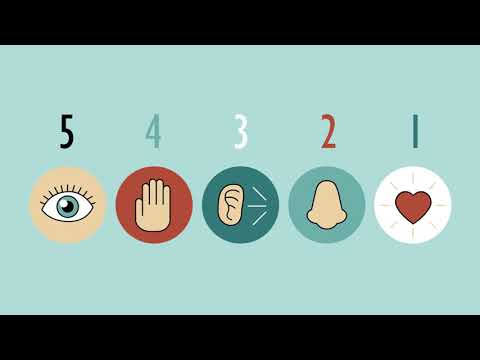
1. The 5-4-3-2-1 Technique
This is a classic grounding exercise. You simply tap into your senses to bring yourself back to the here and now. Here’s how it works:
- Identify 5 things you can see. Maybe it’s a clock on the wall or your favorite mug sitting on the table.
- Then, find 4 things you can touch. This could be the fabric of your clothes or the cool surface of a desk.
- Next, listen for 3 sounds around you. The hum of an air conditioner or distant traffic counts!
- Follow up with 2 things you can smell. If nothing is around, think of a favorite scent like fresh cookies or cut grass.
- Finally, focus on 1 thing you can taste. Pop something in your mouth if possible or just recall a flavor you love.
Doing this helps kick anxiety’s butt by pulling your mind away from stress and focusing on what’s actually happening around you.
2. Deep Breathing
Seriously, this one is a game changer! When you’re anxious, your breath tends to get shallow and fast, which doesn’t help at all. Try this:
- Breathe in slowly through your nose for a count of four.
- Hold that breath for another four counts.
- Breathe out through your mouth for six counts.
Repeat it several times, and you’ll feel a wave of calm wash over you.
3. Grounding Objects
Sometimes having something physical to hold onto can really make a difference! Grab an object that’s meaningful to ya—a smooth stone, a piece of jewelry, anything really—and keep it with you when you’re feeling anxious.
You can rub it between your fingers or just look at it when those anxious thoughts start swirling.
4. Physical Movement
Any kind of movement gets those good feelings flowing! It could be as simple as standing up and stretching or taking a short walk outside.
Connecting with your body through movement helps shake off overwhelming feelings.
5. Mindfulness Meditation
This isn’t just for yogis! Even if you’ve never meditated before, giving mindfulness meditation a shot has serious benefits for reducing anxiety.
Find a quiet spot, focus on your breathing or visualize somewhere peaceful—even if it’s just imagining lying on the beach—this helps settle an overactive mind.
So yeah, grounding techniques are super handy tools when life feels heavy or chaotic. They anchor us back into reality and remind us we have control over our minds—at least sometimes!
Try these out next time anxiety tries to sneak its way in; they might become go-to tricks in your mental wellness toolbox!
Unlock Inner Calm: Essential Mindfulness Grounding Techniques PDF for Stress Relief
Feeling overwhelmed? Yeah, life can throw so much at us. But seriously, grounding techniques can help you find that inner calm you’re craving. These practices are all about pulling you back into the present moment when stress starts to take over. Let’s break it down.
What Are Grounding Techniques? Well, they’re simple exercises aimed at helping you connect with your body and surroundings. Think of them as little mental anchors. When your mind starts racing, these techniques can help reel you back into reality.
Here are a few key grounding techniques:
- 5-4-3-2-1 Technique: This is a classic. You start by identifying five things you can see around you. Then move on to four things you can touch, three sounds you can hear, two scents in the air, and finally one thing you can taste. It pulls your mind right back to the here and now.
- Breathe Deeply: Okay, this one might sound basic but trust me—it’s powerful. Take a slow, deep breath in through your nose for four counts, hold it for four counts, and then exhale slowly through your mouth for six counts. Repeat this a few times and feel that tension melt away.
- Body Scan: Just sit or lie down somewhere comfy. Close your eyes and focus on each part of your body—starting from your head down to your toes. Pay attention to any sensations or tension; this brings awareness back to yourself.
Have you ever noticed how stressful moments often make us forget about our bodies? Like when you’re stuck in traffic and suddenly realize you’ve been clenching your jaw? Grounding helps remind us we’re more than just our racing thoughts.
The Benefits? Well, they’re pretty solid! Regular use of grounding techniques leads to less anxiety and better emotional regulation over time. You’ll find yourself feeling calmer even in tough situations because you’ve practiced bringing yourself back to center.
This stuff isn’t just fluff; it’s backed by research showing mindfulness techniques enhance overall well-being—especially for adults juggling different stressors like work or family obligations.
If you’re looking for resources on this topic, there are PDFs and guides available that lay everything out nicely! I mean who doesn’t love a quick read that gets straight to the point?
You got this! It may take some practice before these methods feel second nature, but like anything else worthwhile in life—it gets easier with time!
You know, there’s something really calming about grounding techniques. It’s like finding your footing when everything around you feels chaotic. Picture this: you’re sitting at your desk, overwhelmed with emails and distractions, and suddenly, your mind is racing like a hamster on a wheel. Yeah, I’ve been there!
Grounding techniques are pretty much these small tricks that help pull you back to the present moment. They can be especially helpful when anxiety creeps in or when you’re stuck in a loop of negative thoughts. I remember a time I was feeling super anxious before a big presentation at work. My mind was all over the place—what if I messed up? What if no one listened? So I took a moment to just breathe and focus on my surroundings: the way the sunlight streamed through the window, the sound of my chair squeaking just ever so slightly—simple stuff like that really helped center me.
So how do these techniques work? Well, grounding is basically about reconnecting with the here and now. One common method is using your senses. You could list five things you see, four things you can touch, three sounds you hear, two things you smell, and one thing you taste. It might feel silly at first but seriously, it works! It shifts your focus away from whatever’s causing stress.
Another approach is physical movement—like taking a walk or even just stretching at your desk. Movement reminds your body that it’s in control. The other day I felt overwhelmed during a long meeting; so during a break, I stepped outside for some fresh air and did some deep breathing. It felt like hitting the reset button on my brain!
It’s also super important to remember that everyone’s different. What works for one person might not work for another—it’s all about finding what clicks for you! Whether it’s journaling your thoughts or practicing mindfulness meditation for even just five minutes, there are tons of ways to ground yourself.
The big takeaway here is that these little tricks can be great tools in enhancing mental wellbeing—kind of like having an emotional toolkit ready when life starts throwing curveballs at you. So next time you’re feeling tossed around by stress or anxiety, don’t forget to check in with yourself. You got this!