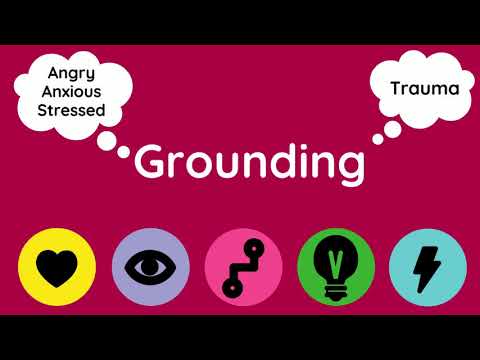
Emotions can be a wild ride, right? One moment you’re flying high, and the next, it feels like you’ve hit a brick wall. It’s like your feelings have a mind of their own!
But what if I told you there are some cool tricks to help you ride those waves? Grounding techniques are here to save the day. They’re these handy little tools that can seriously make a difference when your emotions start going haywire.
Imagine being able to pause for a second and get your feet back on the ground. Feels good just thinking about it! So, let’s chat about some grounding techniques that can help you feel more in control and connected. You ready?
Effective Grounding Techniques: A Practical Worksheet for Enhancing Emotional Regulation Skills
Grounding techniques are like little anchors for your emotions. They help you reconnect with the present moment, especially when you’re feeling overwhelmed or anxious. Imagine you’re, like, totally spiraling and can’t catch a breath. Grounding can pull you back to reality, which is so crucial for emotional regulation.
What is Grounding?
Basically, grounding is about bringing your focus back to the here and now. It’s a way to distract yourself from emotional distress and connect with your body or environment. You know how sometimes just stepping outside can clear your head? That’s grounding in action!
Why Use Grounding Techniques?
They’re super effective for managing anxiety, panic attacks, or intense emotions. Think of it as hitting pause on overwhelming feelings so you don’t drown in them. Everyone experiences tough moments, and these techniques can help you regain control.
Here are some effective grounding techniques:
Now here’s an emotional story to connect with all this: Imagine Sarah sitting in her car after an exhausting day at work. Her mind is racing with stress about deadlines and the chaos waiting at home. Instead of letting that emotional wave wash over her completely, she takes a moment to use the 5-4-3-2-1 technique. She notices the tree swaying gently outside her window (one thing she sees) and feels the soft fabric of her seat (one thing she touches). By the time she’s done checking in with herself through those steps, she’s calmed down enough to drive safely.
Practice Makes Perfect
Using these techniques isn’t always easy at first; it might feel weird even! But don’t sweat it—just give it time and try them out regularly until they click for you.
Grounding techniques aren’t just tricks; they’re tools to build resilience against overwhelming feelings. So next time life feels like it’s spiraling out of control, remember these little anchors that help bring you back home—to yourself.
Mastering Emotional Regulation: Essential Grounding Techniques PDF Guide
So, emotional regulation is all about managing your feelings, you know? Sometimes life throws curveballs, and it can feel overwhelming. That’s where grounding techniques come into play. They’re like little tools you can pull out when things get a bit too intense. Let’s break it down.
First off, **grounding techniques** are methods that help center you in the present moment. They’re super useful when anxiety or other strong emotions start to sneak in. Think of grounding as a way to hit the pause button on your mind’s chaos.
Here are some solid grounding techniques:
What happens here is that these techniques bring your attention from swirling thoughts back to what’s actually happening right now. When I first tried this stuff during my own anxiety moments, I was skeptical at first! But honestly? Just focusing on my breath made a world of difference.
Another technique is **visualization**. Picture a calming scene—maybe it’s a beach with soft waves or a peaceful forest filled with sunlight filtering through trees. Making this mental image vivid helps settle those racing thoughts.
Incorporating these techniques into daily life can really enhance your emotional skills over time. It’s like exercising for your mind! Just imagine being at work and feeling overwhelmed; taking just five minutes to practice one of these grounding methods could really shift how you’re feeling about everything.
Sometimes emotions feel like they’re controlling us instead of the other way around—but we’ve got power here! Noticing what’s happening inside before it spirals can make all the difference in how we respond to stressors.
And remember: mastery takes time. Don’t be too hard on yourself if it feels awkward at first—practice makes perfect! Each technique might hit differently depending on who you are; feel free to mix and match until something clicks.
So yeah, mastering emotional regulation isn’t just about trying out these grounding techniques once or twice—it’s about making them part of your toolkit for life! That way when chaos strikes, you’ve got some solid strategies right at your fingertips.
Essential Grounding Techniques: Download Your Free PDF Guide for Mental Well-Being
Grounding techniques are, like, super useful when you’re feeling overwhelmed or anxious. They help pull you back into the present moment and keep those big feelings from taking over, you know? It’s like having a little toolbox in your pocket to manage emotional spikes. Here’s a breakdown of some essential grounding techniques that can really help improve your emotional regulation skills.
Focus on Your Senses
One of the simplest ways to ground yourself is by using your senses. This means paying attention to what you can see, hear, smell, touch, and taste right now. Seriously! Try looking around the room—what colors do you notice? Maybe you hear a clock ticking or birds chirping outside. Engaging your senses takes your mind off whatever is stressing you out.
5-4-3-2-1 Technique
This is a specific way to use your senses. Here’s how it works:
- Look for 5 things you can see.
- Listen for 4 different sounds.
- Touch 3 things around you—maybe a chair or your own hands.
- Identify 2 smells—you might sniff some lotion or coffee.
- Taste something, even if it’s just water.
Doing this helps shift focus away from anxiety and brings your mind back to reality.
Breathing Exercises
Breathing techniques are another great option! When we’re stressed, our breathing gets all funky—like really shallow or rapid. A good trick is to try the “4-7-8” technique:
- Breathe in through your nose for a count of 4.
- Hold that breath for a count of 7.
- Breathe out slowly through your mouth for a count of 8.
This can be calming and seriously refocuses your mind on something simple yet effective.
Physical Grounding Techniques
You know how sometimes just getting up and moving helps? Physical grounding is all about connecting with your body again. Go for a quick walk outside or do some stretches at home. You could also try pressing your feet down into the floor or feeling the texture of an object in your hand—like squeezing a stress ball or running your fingers over fabric.
Anecdote About Grounding
So I once had this friend who’d get crazy anxious before presentations at work. She started using grounding exercises right before she had to speak in front of people; it was like magic! Just focusing on her breath and looking around the room got her calm enough to nail those speeches every time.
Incorporating these grounding techniques into daily life can make such a difference—especially during those moments when everything feels like it’s spiraling outta control. You don’t have to wait until you’re already feeling stressed; practicing them regularly can keep anxiety at bay too!
To wrap it all up: think about trying these techniques when life gets hectic. They’re simple yet powerful tools that can help enhance your emotional regulation skills and overall mental well-being!
You know, life can throw us some serious curveballs. One moment you’re feeling on top of the world, and the next, you’re spiraling down into stress or anxiety. I remember a time when I was overwhelmed with work and personal issues. It felt like a tidal wave was crashing over me. My heart raced, my thoughts scattered like leaves in the wind, and I could hardly think straight. That’s when I stumbled upon grounding techniques.
So, grounding techniques are like little anchors that help pull you back to reality when emotions start to run wild. It’s all about finding your feet again—right where you stand, literally and metaphorically. The thing is, these methods can really enhance emotional regulation skills over time.
One simple way is the 5-4-3-2-1 technique. Yeah, it sounds catchy! You look around and identify five things you can see, four things you can touch, three things you hear, two things you smell—and then one thing you can taste. I tried this during a particularly panicky lunch break once. At first, it felt silly; but then it snapped me back to the moment. Suddenly all my worries felt smaller.
Another cool technique is focusing on your breath. Just pausing for a few moments to take deep breaths—slowly inhaling through your nose and exhaling through your mouth—can drastically change how you feel inside. There’s just something calming about it that helps quiet all that mental noise.
And hey, let’s not forget about movement! Ever thought about how just walking or stretching can shake off those heavy emotions? I often go outside for a quick stroll when everything feels too much—it clears my head.
Grounding isn’t just about stopping an emotional spiral; it’s building skills that stick with you long-term. You practice these techniques until they become second nature—like having tools in your emotional toolbox ready for when life gets rough again.
So if you’re feeling overwhelmed—or even if you’re not—try some grounding techniques! They might help bring a little more peace into your daily hustle. After all, we’ve got to find ways to stay centered as we navigate this rollercoaster called life!