Hey! You know those days when everything feels like it’s cranked up to eleven? Yeah, that overstimulation can be super overwhelming. It’s like your brain is on a wild rollercoaster ride you never signed up for.
Sometimes, all the noise, the lights, and even people can just hit you hard. It’s exhausting! It’s like trying to find calm in a storm. But there’s hope! Seriously.
Let’s chat about some grounding techniques that can help you chill out amidst the chaos. You’ll be surprised at how a few simple tricks can make a world of difference. Ready to take a breather?
Essential Grounding Techniques: Free PDF Guide for Instant Stress Relief
Grounding techniques are like little life rafts when you’re feeling overwhelmed. They help anchor you in the present moment, especially during times of stress or emotional overload. This is so important because, let’s face it, life can throw a lot at us! You might feel like you’re spinning out of control or are just plain overstimulated. Grounding helps reel you back in.
Basically, these techniques focus on engaging your senses. So, let’s break it down:
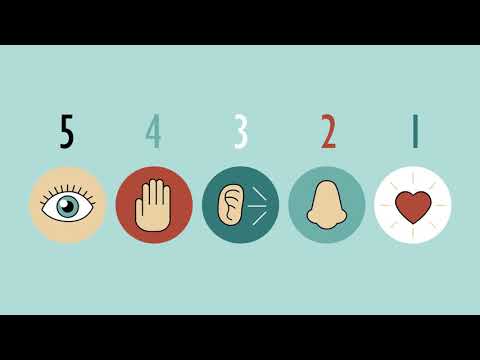
- Five Senses Technique: This one’s super straightforward. Simply identify five things you can see around you, four things you can touch, three sounds you can hear, two things you can smell, and one thing you can taste. Seriously, when your mind races, this helps slow it down.
- Breathing Exercises: Deep breathing is key! Try inhaling deeply for a count of four, holding that breath for four counts, then exhaling slowly for another four. It’s amazing how something so simple can calm those jittery nerves.
- Physical Sensation: You could try holding onto an object—a smooth stone or a piece of fabric. Focus on the texture and temperature while whispering to yourself what you’re feeling. It pulls your mind away from racing thoughts.
- Movement: Just standing up and stretching or taking a short walk can be huge. Your body releases endorphins with movement which boosts your mood and helps clear your head.
- Mental Imagery: Use visualization! Picture a serene place like a beach or forest in great detail—what do you hear? Smell? See? This mental escape is surprisingly powerful.
I remember a friend who got really anxious before big presentations at work. She felt her heart racing and her mind clouding over with worries about what might go wrong. One day she tried grounding by focusing on her feet—the weight against the floor—and it was like flipping a switch for her anxiety levels.
These grounding techniques aren’t just quick fixes; they teach resilience over time. The more often you practice them when things feel calm, the easier they become to use when life gets hectic.
So if you’re looking for that instant stress relief—like having an emotional first aid kit—grounding techniques are where it’s at! Give ‘em a try next time everything feels too loud or fast; getting centered again is totally possible!
Effective Grounding Techniques to Calm Anxiety and Restore Focus
When anxiety hits, it can feel like a storm in your head. Grounding techniques are like an anchor, pulling you back to the present moment. So let’s talk about how these simple methods can help you find your calm amidst chaos.
Grounding is all about connecting with your body and the environment around you. It’s especially useful when you’re feeling overwhelmed or overstimulated. You know that jittery feeling when everything seems too much? Grounding helps settle that.
- 5-4-3-2-1 Technique: This one’s pretty classic and easy to remember. Look around you and name:
- Five things you can see,
- Four things you can touch,
- Three things you can hear,
- Two things you can smell, and
- One thing you can taste.
This technique pulls your focus out of your swirling thoughts and into the here and now. It’s super effective – kind of like a mental reset button!
- Breathing Exercises: Deep breathing is another solid way to ground yourself. Try inhaling deeply through your nose for four counts, holding for seven counts, and exhaling slowly through your mouth for eight counts.
This not only calms your mind but also slows down your heart rate. You know how sometimes just taking a few deep breaths feels like… I don’t know, a wave of relief washing over you? That’s what we’re going for here.
- Meditation or Mindfulness: When was the last time you just sat quietly for a minute? Meditation doesn’t have to be complicated. You don’t need candles or mantras or anything fancy.
Sit comfortably, close your eyes if it helps, and focus on your breath or simply notice the sensations in your body. The idea is to observe without judgment—just letting thoughts drift by like clouds in the sky.
- Sensory Objects: Keep something small with texture close by—a smooth stone, a piece of fabric, or even a fidget toy. When anxiety strikes, hold it in your hand and really pay attention to how it feels.
This tactile experience brings your attention away from racing thoughts back into reality—and it’s kind of soothing too!
- Your Surroundings: Change up where you’re at if possible! Moving outside for some fresh air works wonders. Feel the breeze on your skin or listen to birds chirping—it connects you more deeply with what’s happening around you.
You might recall feeling lighter after stepping outside during those stressful moments; it’s totally real! Nature has this amazing ability to ground us when life feels chaotic.
- Aromatherapy: Scents have powerful effects on our mood! Try carrying essential oils like lavender or peppermint with you. Just smelling them when you’re anxious can bring some peace back into the mix.
A quick whiff of something calming might just do the trick—your brain associates those scents with relaxation over time!
The great thing about grounding techniques is they’re super flexible—you don’t have to stick to one method only! Experiment until something clicks; everyone’s different.
If one day breathing works best and another day it’s fidgeting with an object—go with that flow! Finding what helps enables better handling of those overwhelming feelings during tough times.
The bottom line? When anxiety tries to pull you under, grounding gives back power to YOU. And remember: it takes practice—it won’t always be perfect right away—but just keep trying!
Essential Mindfulness Grounding Techniques: Free PDF Guide for Enhanced Mental Wellness
Mindfulness grounding techniques are like little life rafts when you’re feeling overwhelmed or overstimulated. They help you reconnect with the present moment, pulling you back out of that chaotic mental space. You know, when thoughts are racing or everything feels too much? These techniques can really make a difference.
What is Grounding? Grounding is all about centering yourself and feeling stable again. It’s kind of like shaking off the dust after a storm—getting back to that calm core inside you.
Here’s how it works: your mind might wander off into stress, anxiety, or even just distraction. Grounding pulls it back to reality, to what’s actually going on around you and within you right now.
Here are some simple grounding techniques to try out:
- 5-4-3-2-1 Technique: This one involves using your senses. Identify five things you can see, four things you can touch, three sounds you can hear, two things you can smell, and one thing you can taste. It pulls your focus outward and helps silence that inner noise.
- Breathing Exercises: Deep breathing is a classic for a reason! Inhale deeply through your nose for four counts, hold for four counts, then exhale through your mouth for six counts. Repeat this a few times until your heart rate slows down.
- Physical Sensation: Grab something near you—a smooth stone or a soft fabric—and just feel it in your hands. Pay attention to its texture and weight. This simple act brings awareness back to your body.
- Mindful Observation: Find an object in the room—a plant or an interesting picture—and really study it for a minute. Notice its colors, shapes, and details. It refocuses your attention away from whatever’s stressing you out.
You might be surprised at how well these techniques work! For example, I remember once feeling completely overwhelmed at work. My thoughts were racing about deadlines while phones rang off the hook! So I took a quick moment to look around me—counted five blue items in the room (hello office decor!), listened closely as someone laughed in the hallway, felt my feet on the ground beneath me… It was incredible how quickly I calmed down!
Why Practice Grounding? Regularly practicing grounding techniques not only helps in acute moments of stress but builds resilience over time too! You start training your mind to recognize when it’s spiraling and effectively shift gears back to calmness.
Grounding isn’t about ignoring feelings; it’s more like giving yourself permission to step away from what’s overwhelming instead of getting swept up by it.
These tools are free—you don’t need any fancy equipment or apps; just take a moment whenever you’re feeling frazzled! So go ahead and give them a shot; it could change how you handle that overstimulation monster we all deal with sometimes!
So, you know those days when everything just feels too much? You’ve got noises blasting, screens flashing, and your mind is racing like it’s been fueled by a triple espresso. Yeah, overstimulation can really take a toll. I once had one of those days where I was in a crowded café trying to work. The sound of chatter, coffee grinding, and music playing felt like a wave crashing over me. I could barely think!
Grounding techniques are super helpful for getting back your focus when life gets overwhelming. The idea is to pull yourself back into the present moment and calm the chaos swirling around you. It’s all about reconnecting with your body and your surroundings. When I felt that wave coming in at the café, I tried a few grounding techniques that honestly worked wonders.
One simple thing you can do is focus on your breathing; you know? Just take a deep breath in through your nose and then slowly let it out through your mouth. Imagining the air filling up your lungs can be surprisingly calming! Another trick is using your senses—try naming five things you can see, four things you can touch, three things you can hear, two things you can smell, and one thing you can taste. It pulls you right back into reality.
I remember another time walking outside after feeling overwhelmed at work—just taking in the fresh air did wonders for my mind! The cool breeze reminded me that outside still existed beyond my stress bubble.
Sometimes it’s useful to carry something small with you too—like a smooth stone or even a little fidget toy. When everything starts feeling like it’s spinning outta control? You’ve got something tangible to focus on.
And let’s not forget about movement! A quick stretch or shaking out your limbs for a minute or two can really help reset everything going on inside your head. I often catch myself doing this during long meetings when my brain’s about to explode!
You see? Grounding techniques are pretty much like little anchors you throw out when the waves get rough. They help bring you back to shore so you don’t feel lost in an ocean of stimuli. It’s all about finding what works best for you—it might take some experimenting but believe me it’s worth it when you’re trying to manage overstimulation!