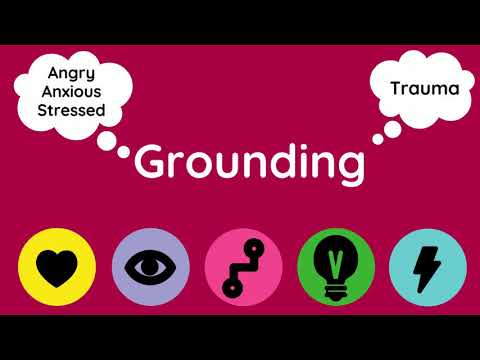
You ever feel like your mind’s just racing, you know? Like, everything’s buzzing around in there and you’re just trying to catch your breath?
That’s where grounding tools come in. They’re like your mental safety net on a chaotic day.
These little practices help pull you back to the present when things get overwhelming. Seriously, they can be a game-changer.
Whether it’s anxiety creeping in or just the weight of everything piling up, grounding techniques can help you chill out and focus.
So, let’s explore some of these tools together! You’ve got nothing to lose and everything to gain, right?
Essential Grounding Techniques: Downloadable PDF for Mental Wellness
Grounding techniques can be a lifesaver when your emotions feel like they’re taking over. They help you to reconnect with the present moment and ease anxiety or distress. You know, it’s like bringing yourself back down to Earth when life throws you off balance. And trust me, everyone can benefit from having some grounding tools in their mental health toolkit.
What are grounding techniques? Basically, they’re strategies that help you stay focused on the here and now. Instead of getting lost in overwhelming thoughts or feelings, these techniques can anchor you, helping you feel more stable and secure.
Here are some key grounding techniques:
- 5 things you can see
- 4 things you can touch
- 3 things you can hear
- 2 things you can smell
- 1 thing you can taste
This technique brings your focus back to your surroundings. It helps distract from anxiety by engaging your senses!
Feel the air fill up your lungs! It’s like giving yourself a mini-vacation from stress.
Feel the texture of the seat or the ground—just focus on how it feels against your body.
Seriously! Just say it out loud or jot it down. Naming what’s going on inside helps lessen its intensity.
So, if you’re interested in having all these tools at hand, consider creating a downloadable PDF. It could include quick guides on each technique along with space for personal reflections. Seriously, it’s handy! You could even keep it on your phone for those moments when life feels too hectic.
Incorporating grounding techniques into your routine is game-changing for mental wellness. The next time you’re feeling anxious or overwhelmed, reach for one of these tools instead of letting those feelings take control. Remember that it’s perfectly okay to seek help and share what works for you with others too!
Ultimate Guide to Mindfulness Grounding Techniques: Download Your Free PDF
Mindfulness grounding techniques are all about bringing you back to the present moment. They can help when your mind is racing or when anxiety starts to creep in. Basically, grounding techniques are like an anchor. They pull you back to reality, helping you feel more centered and in control.
So, what’s the deal with these grounding tools? Here are some key ideas:
- Five Senses Technique: This is super simple. Notice five things you can see, four things you can touch, three things you hear, two things you smell, and one thing you taste. It’s a full sensory check-in that helps get your mind back on track.
- Breathing Exercises: Take a deep breath in through your nose for four counts. Hold it for seven counts, then breathe out slowly through your mouth for eight counts. Repeat this a few times and you’ll feel more relaxed.
- Physical Grounding: Try feeling the ground beneath your feet or the chair you’re sitting on. You could even stomp your feet lightly or press them against something solid like a wall. This physical connection is super reassuring.
- Body Scan: Close your eyes and focus on different parts of your body from head to toe. Tense each muscle group for a few seconds and then release. It’s amazing how much tension we hold without realizing it!
- Create a Safe Space: Imagine a place where you feel completely safe and calm—like a beach or forest. Picture all the details: what it looks like, sounds like, smells like.. this visualization takes you away from stress.
Sometimes I think about my friend Sam who’d get overwhelmed during work presentations. He started using mindfulness techniques before going on stage. Just taking those moments to breathe deeply and visualize his happy place really made him shine.
It’s not just about feeling good in the moment; there’s research that shows mindfulness practices can actually help with emotional regulation over time. When practiced regularly, these techniques can build resilience against anxiety and stress.
You don’t have to do all of these at once—try one or two techniques that resonate with you first! And remember: there’s no right or wrong way to practice mindfulness grounding; it’s all about finding what works best for you.
So basically, grounding techniques offer valuable tools for managing emotional distress by reconnecting with yourself and the present moment—great stuff that can really help when life gets overwhelming!
Discover Effective Mental Grounding Techniques for Enhanced Emotional Stability
Grounding techniques are like little anchors in a stormy sea of emotions. They help you come back to the present moment when those feelings start to feel overwhelming. You know, like when anxiety starts knocking at your door, and before you realize it, you’re spiraling into thoughts of “What if?” Well, grounding can really help with that.
What is Grounding?
It’s all about reconnecting with your body and the environment around you. Grounding helps to create a sense of stability and safety when things feel chaotic. This can be super handy whether you’re dealing with anxiety, stress, or even some heavy emotions.
Common Grounding Techniques:
- 5-4-3-2-1 Technique: This one’s a classic! You just take a moment to identify:
- 5 things you can see.
- 4 things you can touch.
- 3 things you hear.
- 2 things you can smell.
- 1 thing you can taste.
It’s super effective for pulling yourself back into the now.
- Breathe Deeply: Yeah, I know it sounds simple, but focusing on your breath can work wonders. Try inhaling for four counts, holding for four counts, and exhaling for four counts. It’s like giving your mind a mini-vacation from stress!
- Sensory Objects: Grab something with a unique texture—a smooth stone or a soft piece of fabric—to hold onto. Just concentrating on what it feels like in your hand can center your thoughts.
- Paced Movement:You could try walking slowly or even doing some stretches while paying attention to how your body moves. Feel each muscle working—this helps bridge that gap between mind and body.
- Positive Affirmations:You might be surprised how just saying phrases like «I am safe» or «This feeling is temporary» can shift your mindset. Reminding yourself of reality can ground you quickly!
A Personal Story:
I remember one time when my friend Emma was having one of those days where everything seemed too much—work stress piled on top of personal issues. She found herself sitting in her car after work, just feeling totally lost and anxious about her future. So she put on some calming music and started the 5-4-3-2-1 technique right there in the driver’s seat! By the end of it, she was not only more aware of her surroundings but also felt lighter somehow.
Using grounding techniques doesn’t mean you’re ignoring what’s bothering you; it’s more like hitting pause so that you don’t get swept away by those heavy feelings. They give you room to breathe and think straight again.
Why Use Grounding?
Grounding techniques are not just quick fixes; they build emotional resilience over time! Practicing regularly helps train your mind to respond differently when stress rises up again.
So next time you’re feeling overwhelmed or anxious, just remember—you’ve got tools at your fingertips! And sometimes it’s really just about finding what works best for YOU.
Alright, let’s chat about grounding tools for mental health and emotional wellbeing. You know, sometimes life can feel like it’s spiraling out of control, right? Maybe you’re sitting in a crowded room, and suddenly the noise feels deafening. Or maybe your mind is racing with thoughts, like a hamster on a wheel that just won’t stop. That’s when grounding techniques can really come in handy.
So, what’s grounding, anyway? It’s all about finding your way back to the present moment. It helps you connect with your surroundings or even with yourself when everything feels too much. I remember a time when I was at a party, and I completely felt overwhelmed by the chatter and excitement around me. My heart was racing, I was sweating like crazy, and all I wanted to do was disappear. But instead, I stepped out for a breather. Taking deep breaths helped me focus on my breathing rather than the chaos inside my head; I could feel myself calm down bit by bit.
There are loads of grounding techniques that you can try out during those tough moments. One popular one is the 5-4-3-2-1 method—sounds fancy but it’s pretty simple! You name five things you can see, four you can touch, three you can hear, two you can smell (or might smell), and one thing you can taste or even remember tasting before (like that chocolate cake from last week—yum). This brings your attention back to reality and shifts your focus away from any anxiety or stress swirling around.
Another great tool is using physical sensations to ground yourself. It could be as simple as holding an ice cube in your hand or running water over your fingers. The cold makes you snap back into your body instead of getting lost in those racing thoughts.
And let me tell you about self-soothing items! Picture this: carrying around something comforting—a smooth stone or even a piece of fabric that reminds you of home—to hold onto during stressful times can work wonders too.
But hey, it’s not just about tools or techniques; it’s also about practicing them regularly! Think of it like going to the gym—or whatever exercise floats your boat—if we don’t practice groundedness regularly, it tends to fade away when we most need it.
So yeah, grounding tools are super helpful when you’re feeling overwhelmed. They help pull us back into the here and now rather than letting us get lost in our worries or fears. You got this!