You know those days when your mind just won’t chill? Like, it’s racing a mile a minute, and you feel totally overwhelmed? Yeah, we’ve all been there.
Well, grounding techniques are like little life hacks for your brain. They can help you stay present and find some emotional balance. Seriously, they’re super helpful!
Think of them as your mental chill pills. Just a way to reconnect with the here and now. And it’s not about ignoring what you’re feeling; it’s more about navigating through the chaos.
So, if you’re looking for some simple ways to calm the storm in your head, stick around! We’re diving into some easy tricks that can really make a difference.
Essential Grounding Techniques for Mental Wellness: Your Ultimate Emotional Balance Worksheet
Grounding techniques are like emotional anchors. They help you stay connected to the present, especially when anxiety or overwhelming feelings try to sweep you away. Think of grounding as your mental life jacket. So, let’s break down some essential grounding techniques that can help keep your emotional balance intact.
1. Breathing exercises are a classic for a reason. When you’re stressed, your breath tends to get shallow and quick. Slowing it down can make a huge difference. Try inhaling deeply through your nose for four counts, holding it for four, then exhaling through your mouth for six. Doing this a few times helps calm your nervous system.
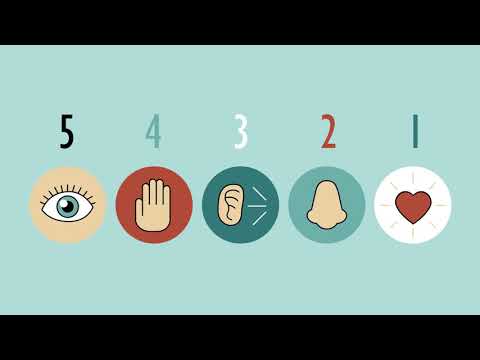
2. The 5-4-3-2-1 technique is super handy in a pinch! This method involves using your senses:
- 5 things you can see: Look around and name five objects in your vicinity.
- 4 things you can feel: Notice what’s touching you—maybe the chair beneath you or the breeze on your skin.
- 3 things you can hear: Focus on sounds around you; it could be the hum of the fridge or distant chatter.
- 2 things you can smell: If nothing’s around, think of two scents that bring you comfort.
- 1 thing you can taste: It might be a sip of water or the aftertaste of something you’ve eaten.
This technique pulls you back into reality and encourages mindfulness.
3. Physical movement, believe it or not, works wonders too! Going for a walk or dancing around the room blasts those anxious feelings away and gets the blood pumping. Movement really helps shift energy in your body.
4. Using positive affirmations is another simple yet effective option. You know those little pep talks? They’re powerful! Repeat phrases like “I am safe” or “I am enough.” Speaking these truths out loud helps rewire negative thinking patterns over time.
5. Engaging with nature, even if it’s just looking out at trees or feeling grass underfoot, connects us back to something bigger than ourselves. So next time you’re feeling frazzled, step outside and take a moment to breathe in that fresh air.
Balancing our emotions isn’t always easy—it takes practice! You’ll likely find some techniques work better than others based on how you’re feeling at any given moment.
So remember, grounding techniques aren’t one-size-fits-all; experiment with these strategies until something clicks for you! Keep them close when chaos strikes; they’ll help steer you back toward emotional wellness and peace.
Ultimate Guide to Grounding Techniques for Mental Wellness and Emotional Balance (Free PDF Download)
Grounding techniques are tools that help you stay present and connected to your surroundings. They’re especially handy when you’re feeling overwhelmed, anxious, or emotional. Picture this: you’re sitting in a crowded room, heart racing, and suddenly, everything feels too much. Grounding can pull you back to reality and help you regain control.
What Are Grounding Techniques?
Grounding techniques are simple strategies used to anchor yourself in the here and now. They help distract your mind from overwhelming feelings or intrusive thoughts. Basically, they remind you that you’re safe and that this moment is what matters—not the storm swirling inside your head.
Why Use Grounding Techniques?
The thing is, life can throw curveballs at us all the time—stressful work days, personal issues, or even just the weight of everything happening in the world. Grounding techniques can help create a sense of calm amidst chaos. They bring your focus back to something tangible instead of spiraling into anxiety.
Common Grounding Techniques
There are loads of grounding techniques out there. Here’s a few that are pretty popular:
- The 5-4-3-2-1 Method: This involves using all five senses to engage with your environment:
- Identify 5 things you can see.
- Name 4 things you can touch.
- Recognize 3 things you can hear.
- Acknowledge 2 things you can smell.
- Notice 1 thing you can taste.
- Deep Breathing: Just take a moment to breathe deeply and slowly. Inhale through your nose for four counts, hold for four counts, then exhale through your mouth for six counts. Repeat this until you feel more centered.
- Physical Movement: Sometimes moving your body helps ground yourself. Go for a walk or stretch! Just focusing on how it feels to move is super helpful too.
- Sensory Engagement: Keep an item with texture near by—a smooth stone or a piece of fabric—to hold when you’re feeling anxious. Touch stimulates your sense of connection to the present moment.
- A Safe Place Visualization: Close your eyes and picture a place where you feel safe and happy—maybe it’s a cozy room or a beach at sunset. Try to visualize all the details: colors, sounds, smells; immerse yourself in that feeling.
The Benefits
Using grounding techniques regularly not only helps during tough moments but also promotes emotional balance over time. It’s like exercising; the more consistently you practice grounding, the better equipped you’ll be at handling stress when it hits.
Remember though; it’s okay if it takes time to find which techniques work best for YOU! Everyone’s different—and some methods might resonate more than others.
Honestly? You don’t need a fancy app or expensive therapy session to try these out (although they definitely have their place). Just give them a shot whenever you’re in need of some calmness!
So next time you’re feeling frazzled—or even just want some quiet—you’ve got tools ready at hand! Isn’t that kind of empowering?
Essential Grounding Techniques: Free PDF Guide for Mental Wellness
Grounding techniques are super useful when you’re feeling overwhelmed, anxious, or even disconnected from reality. They help you anchor your thoughts and feelings to something tangible, so you can navigate through tough emotions. Think of it like a life raft in a stormy sea—something to hold onto when everything feels chaotic.
What are Grounding Techniques?
Basically, these techniques are methods that help you focus on the present moment. They pull your attention away from distressing thoughts and bring it back to the here and now. This can be especially helpful if you’re dealing with anxiety or PTSD. Basically, when your mind races, grounding brings it back down to Earth.
Types of Grounding Techniques
There’s quite a few different approaches out there, and what works for one person might not work for another. Here are some common ones:
- 5-4-3-2-1 Technique: This involves using your senses to ground yourself. You look for 5 things you can see, 4 things you can touch, 3 things you can hear, 2 things you can smell, and 1 thing you can taste.
- Breathing Exercises: Deep breathing really helps kick anxiety to the curb. Try inhaling slowly for four counts, holding it for four counts, then exhaling for four counts.
- Body Awareness: Focus on different parts of your body—start at your toes and move up to your head. Feel each part as you go along; this helps in reconnecting with yourself.
- Physical Activity: Whether it’s a brisk walk or some gentle stretching—moving around shifts your energy and gets those endorphins flowing.
- Mental Games: Play games in your head like counting backward from 100 by sevens or naming all the states in alphabetical order.
A Personal Story
You know how sometimes life just throws too much at us? A friend of mine was going through an intense period at work that made her feel constantly stressed and anxious. She started using grounding techniques during her lunch breaks—like the 5-4-3-2-1 method—and found that focusing on her senses helped her chill out.
She would take a minute to look around and notice little things—a green plant on her desk or the sound of birds outside. It really helped her reset before jumping back into work chaos!
The Benefits
Using grounding techniques regularly can make a significant difference in managing anxiety or stress levels over time. They boost emotional resilience and provide an effective way to cope with overwhelming feelings without needing fancy tools or long sessions.
And hey, they’re simple! You don’t need a therapist nearby each time something goes wrong either—I mean who has time for that? You can use them anywhere: at home, at school, or even while waiting in line somewhere.
So if you’re looking for something new to help with mental wellness or emotional balance, give some grounding techniques a shot! They’re easy to practice and can seriously change how you deal with life’s curveballs. Remember, it’s all about finding what clicks for *you*, so don’t hesitate to try different methods until something feels just right!
You know, we all have those days when everything feels like it’s spiraling out of control. I remember one particularly rough afternoon. I was sitting in my car, having just come from a meeting that left me feeling totally overwhelmed. My heart was racing, and my thoughts were all over the place. I felt like I was about to float away.
That’s when a friend told me about grounding techniques. Basically, they’re little tricks you can use to bring yourself back to the here and now when life starts feeling too intense. One of the simplest ones is called the 5-4-3-2-1 technique. It’s funny how something so simple can really make a difference. You focus on your senses: five things you can see, four you can touch, three you can hear, two you can smell—and then one thing you can taste. It’s wild how just naming those things brings me right back down.
Another favorite of mine is deep breathing. Seriously, it sounds cliché but taking deep breaths—like really deep ones—can shift everything for me. Inhale through your nose for four counts, hold for four, and exhale through your mouth for six counts. The act of focusing on your breath pulls you back into your body and out of that buzzing mind.
What’s cool is that grounding isn’t just about calming down in a panic moment; it’s also a way to find balance daily. It could be as easy as going outside for five minutes to feel the sun on your face or running your hands over something textured like a tree bark or fabric. It connects us with the world around us and reminds us that we’re human beings—not just our never-ending thoughts or feelings.
So next time you’re feeling out of sorts or anxious—try some grounding techniques! They’re not going to fix everything overnight but trust me; they help anchor you when you’re lost at sea for sure!