You know how sometimes your mind just won’t chill? Like it’s running a marathon and you can’t catch your breath?
Well, guanfacine could be the unsung hero in this story.
It’s a medication that’s been around for a while, but not everyone’s heard of it. And honestly, if you’re dealing with anxiety or ADHD, it might just pop up on your radar.
So what’s the deal with guanfacine? Let’s chat about how it works and why it could matter for managing those mental health challenges.
Understanding Guanfacine: Its Role and Benefits in Mental Health Treatment
Guanfacine is a medication that’s often used to help manage certain mental health challenges. It’s mainly known for its role in treating Attention-Deficit/Hyperactivity Disorder (ADHD). So, what’s the deal with this medication? Let’s break it down.
What is Guanfacine?
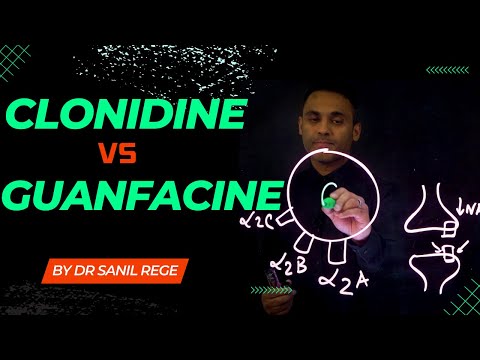
It’s actually an alpha-2 adrenergic agonist. Sounds fancy, right? Basically, it affects certain receptors in your brain that help regulate attention and impulse control. When you take guanfacine, it can help reduce hyperactivity and improve focus. You see, it doesn’t really work like stimulant medications for ADHD do, which means it might be a good option for people who either can’t take stimulants or don’t respond well to them.
How does it work?
The way guanfacine works is by boosting a specific neurotransmitter called norepinephrine. This chemical plays a big role in attention and focus. By increasing its activity, guanfacine helps you feel more calm and able to concentrate on tasks. It’s kind of like adjusting the dial on a radio to get a clearer signal.
Benefits in Mental Health Treatment:
There are several notable benefits of guanfacine when it comes to mental health treatment:
- Improved Attention: Many people find that their ability to focus improves significantly.
- Behavioral Control: It can lessen impulsive behavior, making social situations easier to navigate.
- Anxiety Management: Some studies show that guanfacine can also help with anxiety symptoms.
So you’re probably curious about who might benefit from this medication. Well, aside from ADHD patients, some doctors prescribe it for kids with behavioral issues or even adults dealing with anxiety disorders.
Dosing and Side Effects:
Typically, guanfacine comes in extended-release tablets which you take once daily—usually at bedtime because it can make you feel tired at first. Common side effects might include drowsiness or dry mouth. But seriously, everyone’s body reacts differently; some people may not experience any side effects at all!
It reminds me of my friend Sam who started taking guanfacine after struggling with focus issues in college. He felt like his mind was racing all the time! Once he started the medication, he said things got quieter up there; he could finally dive into his studies without feeling overwhelmed.
A Note on Therapy:
While medication can be super helpful—like guanfacine—it often works best in combination with therapy or behavioral interventions. You know how they say teamwork makes the dream work? That definitely applies here! Therapy offers skills and strategies to manage challenges effectively alongside any medication you might be taking.
Guanfacine isn’t for everyone though; like any other treatment option out there, it’s important to discuss options thoroughly with your doctor or mental health provider before starting anything new.
Understanding guanfacine’s role in managing mental health challenges shows how important treatments have evolved over time! Whether it’s attention issues or anxiety you’re facing, there’s hope out there with options tailored just for you!
Exploring Guanfacine: Can It Improve Emotional Regulation in Mental Health?
Guanfacine is one of those medications you might come across if you’re dealing with emotional regulation issues, especially in conditions like ADHD or anxiety. It’s not a typical antidepressant or anti-anxiety med. Instead, it’s classified as an alpha-2 adrenergic agonist, which sounds fancy but basically means it affects certain receptors in the brain that help control impulses and emotional responses.
Now, let’s break down how guanfacine works. It helps your brain chill out a little by reducing the release of norepinephrine, a chemical that can ramp up anxiety and stress levels. By calming this down, it can make it easier for you to manage your emotions. Imagine you’re feeling overwhelmed at work, like there are too many emails piling up and deadlines creeping in—guanfacine might help you take a breath and respond instead of react.
So, what might you notice if you’re using guanfacine? Well, here are some things people report:
But here’s where it gets real: medication isn’t a magic bullet. You could be taking guanfacine and still feel frustrated at times. Everyone’s body reacts differently! A friend of mine tried it because she was having trouble managing her temper during family gatherings. She noticed some changes; she felt less on edge overall and more able to engage in conversations without getting heated over small things.
Now, while it’s promising for emotional regulation, guanfacine isn’t without its risks. Some folks experience side effects like drowsiness or dry mouth—not super fun! If you’re considering this med or already on it, chatting with your doctor about any concerns is key.
Importantly, guanfacine often works best when paired with therapy or lifestyle changes. You know how they say exercise is good for mental health? Well, that’s true! Combining medication with therapy gives you tools for coping better while the med helps smooth out those emotional bumps.
In summary? Guanfacine can play a role in improving emotional regulation for some people by easing anxiety and helping with focus. Just remember it’s part of a bigger picture that includes therapy and self-care practices. And seriously—always keep your healthcare provider in the loop about what’s working (or not) so they can help adjust your treatment if needed!
Understanding the Rebound Effects of Guanfacine: Impacts on Mental Health and Well-Being
Guanfacine is a medication that’s often used to treat conditions like ADHD, but it can affect mental health in various ways. You know, it’s not just about taking a pill and feeling better; there’s a lot more going on. One thing that’s particularly interesting is the concept of rebound effects.
What are Rebound Effects?
Basically, rebound effects occur when the symptoms you’re treating come back even stronger after you stop taking the medication or lower the dose. With guanfacine, this might mean an increase in hyperactivity, impulsivity, or anxiety when you miss a dose. You could feel like you’re on a rollercoaster instead of having smooth sailing.
Impacts on Mental Health
So, if you’re using guanfacine for ADHD, there’s a chance that stopping it might lead to heightened symptoms. For some folks, this could be more than just annoying—it may really affect daily life and relationships. Imagine finally feeling like you’re getting control over your focus and attention, only to find yourself back at square one when you skip your meds.
- Increased Anxiety: When guanfacine is suddenly stopped, some people experience heightened anxiety levels. This can feel really overwhelming.
- Emotional Instability: Your mood may swing wildly after stopping guanfacine. One minute you’re fine, and the next it feels like everything is falling apart.
- Sleepless Nights: Insomnia can kick in too! If you’ve been relying on the calming effects of the medication for sleep, stopping it could mean nights full of tossing and turning.
Navigating Withdrawal
So how do you deal with these rebound effects? Talk to your doc if you’re considering stopping guanfacine or if you’re noticing those pesky side effects coming back harder than before. Sometimes they might suggest tapering down gradually rather than just cutting it cold turkey.
And here’s where things get real—everybody’s body reacts differently! What works blissfully for one person might send someone else spiraling around in confusion and chaos.
The Bottom Line
In essence, while guanfacine can be super helpful for managing mental health challenges like ADHD or anxiety disorders, be aware of those rebound effects if you change how you take it. Stay connected with your healthcare provider through all this should help keep things steady for you.
Remember that mental well-being is all about balance! Finding what works best takes time and patience—you know? It’s okay to reach out when things get tricky!
Guanfacine, huh? It’s one of those medications that might not be on everyone’s radar when we talk about mental health, but it does play a role for some folks out there. It’s mainly known as a treatment for ADHD, and people also use it for anxiety or even certain behavioral issues. I mean, it can help calm that racing mind and help you focus better, so that’s pretty cool.
I remember this friend of mine who was diagnosed with ADHD in high school. She had always struggled with paying attention in class and would often lose track of assignments. It was stressful for her. After trying a bunch of different medications, she finally landed on guanfacine. At first, she was skeptical about it because let’s be real—there’s so much trial and error involved with meds sometimes. But over time, she noticed a real difference. She felt less overwhelmed and more grounded in her day-to-day life. That feeling of having a handle on things? Totally life-changing.
Now, guanfacine isn’t without its quirks or side effects—some people feel tired or groggy when they start taking it, which can be a bummer if you’re trying to function throughout the day, you know? But if you work closely with your doctor and keep an open dialogue about how you’re feeling, you can usually find a balance that works for you.
The cool part about this medication is how it affects the brain’s receptors—it helps with impulse control by targeting those alpha-2 adrenergic receptors. Basically, it’s like giving your brain a little nudge to chill out when things get too chaotic.
But here’s the thing: every person is different! What works wonders for one may not do the same for another. So if someone is considering guanfacine or any medication really, it’s super important to have that conversation with a healthcare professional who knows your background and needs.
At the end of the day, managing mental health is often about finding what works best for you personally—medications like guanfacine are just one piece of that puzzle. It’s all about collaborating with your support system and being patient through the process because healing isn’t always linear; sometimes it’s messy but totally worth navigating together!