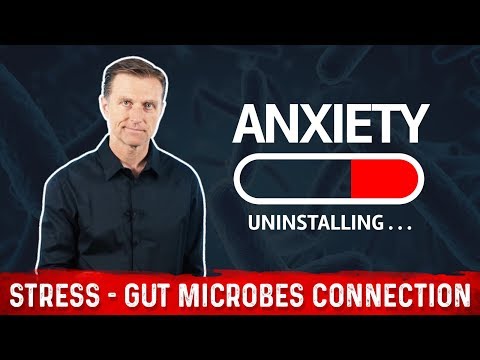
Ever feel like your brain is just… foggy? Like, you can’t quite focus or remember where you left your keys? Yeah, me too. It’s super frustrating!
But here’s the kicker: a lot of us don’t realize that those foggy moments could be tied to what’s happening in our gut. Sounds odd, right? But trust me, there’s a growing pile of research that connects gut health with mental clarity—and mental health in general.
So, picture this: you’re dealing with stomach issues and suddenly you find yourself struggling to concentrate at work or feeling down for no reason. Wild how everything is connected!
Let’s chat about this connection between our guts and our brains—because it’s way more interesting than it sounds!
Exploring the Link Between Gut Health and Mental Wellness: Can Digestive Issues Impact Your Mental Health?
So, gut health and mental wellness are a pretty hot topic these days. You might even say it’s a bit of a gut feeling – pun totally intended! Seriously though, there’s some fascinating stuff happening in that part of your body that could seriously impact your mind.
First off, the connection between your gut and brain is often called the **gut-brain axis**. This fancy term just means that what goes on in your digestive system can influence your brain function and vice versa. Crazy, right? The thing is, they communicate through a complex network involving hormones, neurotransmitters, and even the immune system.
Now, let’s talk about how digestive issues can actually lead to mental health struggles. If you’ve ever had an upset stomach or bloating, you know it can put you in a bad mood. Well, it goes deeper than just feeling cranky. Research suggests that conditions like IBS (Irritable Bowel Syndrome) or chronic digestive problems can be linked with feelings of anxiety and depression.
Here are some key points:
Ever had one of those days where you’re just sluggish? It could be more than just needing coffee. I remember a friend who always felt foggy-headed after eating certain foods. It turned out they had food sensitivities affecting their digestion big time! Once they got their gut sorted out, their mind felt so much clearer!
So yeah, if you’re dealing with digestive problems, don’t ignore how they might be impacting not just your tummy but also your mental state. Addressing those gut issues may really help with lifting some mental fog too!
That said, it’s super important to consult with healthcare professionals if you suspect there’s a link between what’s happening in your belly and how you’re feeling up top. A nutritionist or therapist specializing in this area can help make sense of it all.
In short? Your stomach’s not just for digesting food; it’s kind of like the second brain! Keeping both happy is key for overall wellness.
Understanding the Symptoms of a Poor Gut-Brain Connection: Signs You Shouldn’t Ignore
It’s wild how our gut and brain are pretty much best pals, right? They communicate all the time. If one isn’t doing so hot, the other can feel it too. This connection is known as the gut-brain axis, and when it’s out of whack, you might notice some signs that shouldn’t be ignored. Let’s break it down.
1. Brain Fog: Have you ever tried to focus but your thoughts feel like they’re stuck in some thick fog? That’s brain fog! It can make you forget simple things or lose track of conversations. Gut issues, like bloating or discomfort, can mess with your concentration big time.
2. Anxiety and Mood Swings: Feeling anxious for no reason, or having mood swings that come outta nowhere? There’s a chance your gut could be involved. The gut produces a lot of serotonin—the chemical that helps regulate mood—so if it’s unhappy, guess what? Your brain might feel it too.
3. Fatigue: Are you always tired? And not just sleepy; I’m talking heavy-eyed and dragging your feet tired? Poor gut health can lead to nutrient deficiencies, making you feel drained even after a good night’s sleep.
4. Digestive Issues: This one’s pretty obvious but bears mentioning—if your stomach’s in knots more often than not, like from gas or bloating, take a note! Those issues could be linked to how your brain is working (or not working).
5. Cravings and Appetite Changes: Ever crave weird foods when you’re stressed? Sometimes poor gut health can influence cravings for sugar and processed foods. You know how those quick fixes don’t really make you feel better long-term? That’s your gut talking!
So if you’re noticing these symptoms hanging around like unwanted guests, it’s probably a good idea to chat with someone about it. Just think of it this way: taking care of your gut is taking care of your mind too! Keep an eye on those signs; they might just be the key to feeling better overall!
Exploring the Connection: How Trauma is Stored in the Gut and Its Impact on Mental Health
Alright, let’s chat about something that sounds a bit out there but is actually super relevant: the connection between trauma, your gut, and mental health. You might be thinking, “Wait, what does my stomach have to do with how I feel?” Well, hang tight because it’s pretty interesting.
So here’s the deal—your gut is often referred to as your second brain. Seriously! It’s packed with nerves and even produces neurotransmitters like serotonin, which plays a huge role in mood regulation. What happens is when you experience trauma, it can disrupt this delicate balance.
Trauma affects your gut health in several ways:
- Your body goes into fight-or-flight mode when dealing with trauma. This can mess with digestion.
- Chronic stress linked to trauma can lead to inflammation in the gut.
- This inflammation can contribute to conditions like IBS or leaky gut syndrome.
You might be wondering how all this affects your mental health. Well, when your gut isn’t happy, neither is your brain. Ever had that feeling where you’re anxious or just foggy? It could be due to these gut issues! For example, I once knew someone who had serious stomach problems after going through a tough breakup. They felt more anxious and disconnected than ever before. The emotions were so intertwined with their physical symptoms!
This connection has even led researchers to look into something called the gut-brain axis. That’s just a fancy way of saying that what happens in your gut can send signals straight up to your brain and vice versa. Imagine having a bad day that leaves you feeling deflated; if you also have an upset stomach on top of that—it’s like the worst combo ever!
Here are some common symptoms from this connection:
- Bloating or discomfort in the stomach.
- Mood swings or increased anxiety levels.
- A sense of brain fog or difficulty concentrating.
If all of this resonates with you or someone you know, it might hint at an underlying issue that needs some attention. Sometimes simply addressing gut health—like changing diets or including probiotics—can lead to improvements not just physically but mentally too! So think about taking care of your tummy as well as your mind.
The bottom line? Your gut and brain are chatty neighbors who affect each other more than you might’ve realized. It’s crucial to pay attention to both if you’re looking for ways to improve overall mental wellness!
You know, it’s kind of wild how closely linked our guts and brains really are. Like, you wouldn’t think a stomachache could lead to feeling foggy-headed or down in the dumps, but there’s some serious science behind it. While I was reading up on this stuff, I couldn’t help but remember a time when I went through a phase of eating all the wrong things. Seriously, pizza and soda were like my best pals for way too long.
After weeks of that diet—ugh—I felt so out of it. My energy tanked. I couldn’t focus on anything. Just this thick haze in my head that wouldn’t clear up no matter how hard I tried. It was frustrating! Little did I know then that what was happening in my gut was totally affecting my brain.
Researchers have found out more about this gut-brain connection lately. You’ve got these little guys called gut bacteria, and they play a huge role in our mental health. They produce neurotransmitters—like serotonin, which is basically your feel-good chemical—that can influence mood and cognition! If your gut isn’t happy or balanced because of poor diet or stress or something else, it can mess with those neurotransmitters and leave you feeling like a fuzzy cloud instead of your usual self.
It’s pretty interesting to think about all the things we put into our bodies without realizing their effects on how we think and feel. And let’s be honest; when you’re dealing with brain fog, it’s easy to get caught up in anxiety or bouts of low mood as well—like one thing spirals into another. It feels like you’re stuck on this hamster wheel where every bad meal leads to more cognitive struggles.
Getting back on track isn’t always easy either. I mean, who hasn’t craved comfort food when feeling low? But it’s clear that making small changes in your diet can help clear out that brain fog and lift those mental health struggles over time. Foods rich in fiber, probiotics—like yogurt—and omega-3s can really work wonders for both your gut and mind.
So if you’re ever feeling off mentally or just can’t shake that heaviness in your head, maybe take a moment to consider what’s going on down below too! Just remember: treating your gut right might just give your brain the boost it needs to feel alive again.