Okay, so here’s the thing. You ever notice how stress can totally mess with your head? Like, one minute you’re chillin’, and the next, your brain’s racing a million miles an hour. It’s wild!
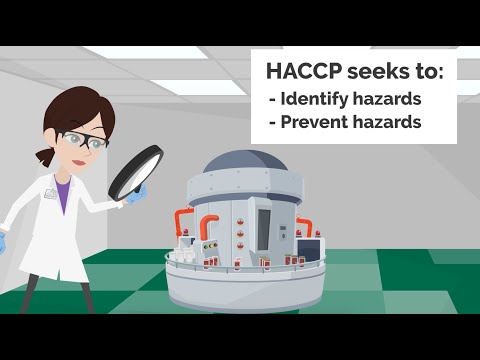
Now, imagine if you had a way to make your work life smoother. That’s where HACCP comes in. Yeah, it sounds fancy, but it’s all about keeping food safe and businesses running right. But there’s more to it than just food safety.
Believe it or not, how we manage risks in our work environments directly impacts our mental state. A solid HACCP plan can ease that daily grind. Less stress means better vibes for everyone involved—employees and customers alike.
Stick around as we explore how this risk assessment thing can make life a whole lot easier on the mind. You might find it connects some dots you hadn’t thought about before!
Understanding the 5 P’s of Mental Health Risk Assessment: A Comprehensive Guide
Understanding the 5 P’s of Mental Health Risk Assessment can feel a bit overwhelming at first. But don’t sweat it! I’ll break it down for you. Think of it as a way to figure out what’s going on with someone’s mental health, kind of like a check-up, but for their emotions and mind.
1. Person: This is all about the individual. What’s their background? What are their personal experiences? Factors like age, gender, and culture can shape how someone reacts to stress or trauma. For example, if someone has dealt with loss or trauma, they might be experiencing anxiety or depression differently than someone who hasn’t faced such challenges.
2. Presenting Problem: Here’s where you look at what brought the person in for help in the first place. Are they feeling hopeless? Do they have sudden mood swings? Or maybe they’re having trouble concentrating at work or school? It’s crucial because understanding the specific issues helps in crafting a support plan. Like, imagine someone coming in saying they have insomnia; that could point to deeper anxiety that’s worth digging into.
3. Predisposing Factors: These are those underlying reasons that make someone more vulnerable to mental health issues. Think family history of mental illness or past bullying experiences. If you’re predisposed to something, it doesn’t mean you’ll get it—just that you’ve got a higher chance than others.
4. Precipitating Factors: This is where things get real! These are events or situations that trigger mental health conditions. Maybe they’ve gone through a big life change like divorce or job loss—something stressful that brings everything to the surface. You know how sometimes one little thing just tips the scale? That’s this part.
5. Perpetuating Factors: Lastly, these factors keep the problem going once it’s started. Maybe someone is stuck in negative thinking patterns or lacks social support from friends and family. This can lead them further down into distress and away from recovery—it’s like being caught in quicksand but not knowing how to climb out.
When combining these five P’s during an assessment, you gain a well-rounded picture of someone’s mental health status. Each piece is crucial for understanding the bigger picture and creating effective treatment plans tailored specifically for them.
In practice, using this framework helps clinicians navigate complex emotional landscapes while fostering hope and connection with patients. It’s really about making sure people feel seen and understood—because everyone deserves that, right?
Identifying Mental Health Hazards in the Workplace: A Guide to Enhancing Employee Wellbeing
Identifying mental health hazards in the workplace is super important for boosting employee wellbeing. So, let’s break down what this looks like, especially when we connect it to HACCP risk assessment.
First off, workplace mental health hazards can stem from various sources. They might be linked to the work environment, such as noise levels, poor lighting, or even the layout of the office space. If you’re crammed into a tiny cubicle with too much noise around you, it can totally add stress to your day.
Now, stress factors are another big player here. Think about tight deadlines or unrealistic workloads. If someone feels overwhelmed and underappreciated, their mental health might take a nosedive. You know that feeling when you just can’t catch a break? That’s what we’re talking about.
Also, social dynamics in the workplace matter!
These all lead to feelings of isolation and anxiety. If your team isn’t supportive or if there’s drama brewing among coworkers, it can seriously affect your mood and productivity.
When we talk about HACCP (Hazard Analysis Critical Control Point), the focus is usually on food safety, but its principles could totally apply here for mental wellbeing too. By assessing risks systematically in the workplace—like how HACCP addresses food hazards—you can pinpoint those issues causing stress and unhappiness. Basically, it’s about preventing problems before they pop up.
For example, say there’s a high-pressure project coming up (which implies more overtime!). You could evaluate how this situation impacts employees’ mental health overall and put strategies in place to lessen any potential harm—like offering flexible hours or relaxation spaces during breaks.
Another thing to consider is employee feedback. Regular check-ins can help identify what’s bothering people at work. Are they feeling overworked? Do they find certain tasks pointless? Open conversations pave the way for healthier workplaces because they make employees feel heard!
And don’t forget—promoting healthy habits, like taking breaks or encouraging physical activity during work hours, really makes a difference too. Just a little movement every hour can boost morale and help clear your mind.
So yeah, enhancing employee wellbeing isn’t just about perks—it’s also about proactively managing risks within the workspace that hurt mental health! Keeping an eye on these elements is crucial because happy employees are often more productive and engaged.
In summary: Evaluate risks as you would with any hazard; open lines of communication help tackle issues; encourage healthy practices; and remember that fostering a supportive culture goes a long way toward improving mental health at work!
Understanding the Importance of Risk Assessments in Mental Health Care
Mental health care is a big deal. And when it comes to keeping people safe and supported, risk assessments play a crucial role. You may be wondering what risk assessments even mean in this context. Well, they’re basically evaluations made to identify potential risks that might affect someone’s mental well-being.
Think about it like this: if you were going hiking in the mountains, you’d probably check the weather and assess your own skills first, right? That’s how we need to approach mental health too.
In the mental health field, there are specific reasons why these assessments are so important. Here’s a closer look:
- Identifying Risks: Risk assessments help professionals pinpoint what might trigger or worsen a person’s condition. Say someone is dealing with severe anxiety; knowing their specific triggers can guide treatment.
- Preventing Crises: By understanding someone’s situation better, we can prevent crises before they happen. A good example is assessing suicidal thoughts; if a therapist identifies them early on, they can create a safer environment for that person.
- Tailoring Treatment: Each individual is unique! Risk assessments allow therapists to offer personalized care that meets someone exactly where they’re at.
- Improving Communication: When you’re open about risks, everyone feels more comfortable discussing them. This can foster trust between you and your therapist.
- Legal Responsibility: Mental health professionals have an obligation to ensure clients are safe. Failing to conduct proper risk assessments can lead to serious consequences for both the practitioner and the individual.
For example, consider someone who has just been diagnosed with PTSD after an intense experience. Without assessing their level of risk—like whether they’re feeling safe at home or having thoughts of self-harm—therapists could miss critical signs that signal their client needs immediate support.
And let’s talk about HACCP (Hazard Analysis Critical Control Point) for a second! While it’s primarily known from food safety practices, its principles of identifying hazards apply to mental health settings too. Just like food needs checks for contamination risks, mental health care needs evaluations to spot emotional or psychological hazards.
Picture this: if there was a system set in place that continuously assessed risks associated with certain treatments or medications—just like monitoring kitchen cleanliness—it could really enhance patient safety and outcomes.
What’s also important is acknowledging how effective communication during these assessments makes all the difference—it creates an atmosphere where individuals feel heard and cared for.
In summary, risk assessments in mental health care go beyond just ticking boxes; they’re about offering compassionate care tailored to each person’s unique journey. When risk factors are understood clearly and communicated effectively, it not only safeguards individuals but also builds stronger therapeutic relationships.
So next time you hear about risk assessments in mental health contexts, remember it’s not just some dry protocol—it’s crucial for ensuring people get the best support possible on their path to healing!
Alright, let’s talk about HACCP. You might be wondering what the heck it has to do with mental well-being, right? Well, hang on a second. HACCP stands for Hazard Analysis Critical Control Point, and it’s mostly used in the food industry to keep things safe. But when you think about it more deeply, there are some interesting connections to mental health that really make you think.
Imagine you’re working in a busy kitchen. Stress levels can shoot through the roof with orders coming in and everyone hustling around. Now, if there’s a solid HACCP plan in place, it means that food safety is being prioritized. That alleviates some of the stress because everyone knows what they’re doing and how to handle potential hazards. It’s like having a roadmap in a chaotic environment!
When folks feel secure knowing that their workplace is safe and that procedures are actually preventing risks, their overall mental well-being can improve dramatically. I remember chatting with a friend who worked as a chef. They shared how overwhelming it was during busy hours when safety protocols were ignored. It wasn’t just about food safety; it was about their peace of mind too.
On the flip side, think about if those safety protocols weren’t there—kitchen accidents could happen more easily. And guess what? Anxiety levels would likely spike among staff who are worried about getting hurt or even causing harm to customers! It creates this loop of stress where people aren’t just anxious about their jobs but also worried they might make someone sick.
So yeah, having proper risk assessments not only protects physical health but also plays a huge role in emotional well-being by fostering an environment of confidence and trust among team members. When everyone feels supported and safe at work, they can focus better on their tasks without all that nagging worry hanging overhead.
And here’s where it gets really interesting: if we expand this concept beyond kitchens—say into offices or any workplace—you start seeing how important these assessments are across various fields for mental wellness. Basically, when organizations prioritize safety through processes like HACCP, they’re also nurturing healthier minds among their workforce.
In short? Emphasizing safety isn’t just good for business; it contributes to happier employees too! And let’s face it: happy people tend to produce better work—so it’s kind of like hitting two birds with one stone, don’t you think?