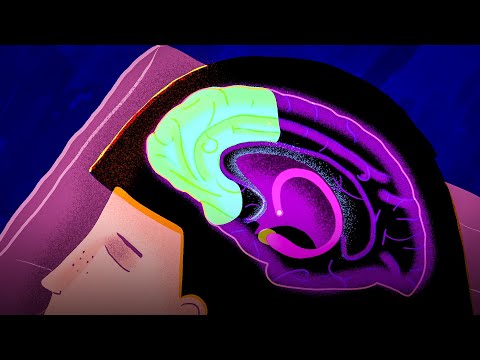
Have you ever woken up feeling like a total zombie? You know, that groggy, draggy, “why am I even alive?” kinda vibe? Yeah, we’ve all been there.
So let’s chat about something that’s been buzzing around—a little thing called “Hag Sleep.” Sounds weird, right? But it’s not just about those bad dreams or restless nights. It’s what happens to your mind when your sleep goes downhill.
Honestly, it can mess with your mood and mental health more than you might think. Picture this: you wake up cranky, can’t focus at work, and snap at everyone around you—just because you had a rough night.
Let’s dig into how this whole hag sleep thing really affects your brain and mood. Trust me; it’s worth understanding!
Understanding Old Hag Syndrome: Symptoms, Causes, and Coping Strategies
Old Hag Syndrome, also known as sleep paralysis, is something a lot of people experience but might not even realize it has a name. So, what exactly is it? Well, during this weird phenomenon, you wake up and find yourself unable to move or speak. It can feel super scary—like you’re trapped in your own body!
Symptoms usually show up when you’re waking up or falling asleep. You might notice:
Let me tell you a little story. A friend of mine, let’s call him Sam, went through this terrifying experience one night. He woke up and felt like an invisible weight was holding him down. He could see shadows moving around his room and felt completely paralyzed. It took him a while to realize that he was experiencing Old Hag Syndrome.
Now, let’s break down the causes. The thing is, no one really knows the exact reason why it happens. But there are some common links:
So yeah, stress and sleep deprivation really mess with our bodies.
Now onto how to cope with this freaky experience because let’s face it—you don’t want to be dealing with this every night! Here are some strategies that might help:
In short, Old Hag Syndrome is unsettling for sure but **remember**, it’s not uncommon! If these episodes start happening too often or seriously impact your life—or if they come with other symptoms—maybe reaching out to a mental health professional could be worthwhile.
It’s totally okay to seek help; after all, we all need support sometimes!
“Exploring the Medical Definition of ‘Old Hag’: Understanding Sleep Paralysis and Its Psychological Effects”
Sleep paralysis can be a pretty spooky experience, and it’s often associated with the term “old hag.” This phrase comes from folklore, where people described feeling an evil presence sitting on their chest, making it hard to breathe. But let’s break it down.
When you experience sleep paralysis, your mind wakes up while your body remains in a state of sleep. You might find yourself unable to move or speak for a short period—just imagine being stuck in your own body. This state usually lasts a few seconds to a couple of minutes, but man, it can feel like forever!
One psychological aspect of sleep paralysis is the overwhelming sense of fear that comes with it. You’re conscious and aware, but the inability to move can trigger an intense panic response. The feeling of being watched or having someone on top of you? Yeah, that’s pretty common too. It’s not just spooky; it’s also deeply unsettling.
There are some factors that may increase the chances of experiencing sleep paralysis:
- Sleep deprivation: Lack of proper rest can mess with your sleeping patterns.
- Irregular sleep schedules: Shifting your bedtime frequently might throw off your body’s natural rhythm.
- Stress: High levels of anxiety or stress can seep into your dreams.
- Sleeping on your back: Surprisingly, this position is often linked with higher occurrences of sleep paralysis.
So what’s going on psychologically? For many folks who deal with this regularly, there can be lasting effects on mental health. Imagine waking up terrified every time you attempt to sleep! Chronic sleep paralysis can lead to:
- Anxiety about sleeping: You might start avoiding bed or dreading nighttime.
- Depression: The toll from repeated fear and exhaustion can drag your mood down.
- Increased stress levels: It becomes this cycle; stress causes more episodes, which leads to even more stress.
Some people even develop post-traumatic stress symptoms after particularly terrifying experiences! Pretty wild when you think about how something that seems so surreal can have real-life consequences.
If you’ve ever been through this creepy phenomenon, remember you’re not alone. Talking about these experiences openly may help alleviate some fear and anxiety surrounding them. Finding healthy coping mechanisms like good sleep hygiene is key—making sure you’re getting enough rest and managing stress effectively.
Often overlooked, but serious enough to cause concern! And just knowing what’s happening when you’re having those experiences can make them feel slightly less scary.
Unveiling the Night Hag: Understanding Sleep Paralysis and Its Psychological Impact
Sleep paralysis is one of those things that can really freak you out. Picture this: you’re lying in bed, and suddenly, you can’t move. It’s like your body’s frozen, but your mind is wide awake. Sounds scary, right? Well, it’s not actually uncommon. You might have heard about the “night hag”—a creepy figure that many people claim to see during these episodes. But what exactly is happening here?
What Is Sleep Paralysis?
So basically, sleep paralysis occurs when you wake up from sleep but can’t move or speak for a few seconds or even a couple of minutes. It happens during transitions between sleeping and waking—the body is awake, but the brain is still in dreamland. You might feel intense fear or pressure on your chest, often leading to vivid hallucinations.
Now, the psychological impact can be intense. Imagine being trapped in your own body while something sinister looms over you. It’s enough to send shivers down anyone’s spine! Some people even report feeling an evil presence—this connects to that night hag folklore you’ve heard about.
Common Experiences
A lot of folks describe similar experiences during these episodes:
- Visual Hallucinations: People often see figures or shadows in their room.
- Auditory Hallucinations: Sounds like footsteps or whispers intensify the fear.
- Sensations: Many feel a heavy weight on their chest as if someone is pressing down.
These feelings aren’t just random; they stem from our brain trying to make sense of something it doesn’t understand while we’re in such a vulnerable state.
Mental Health Connection
It’s interesting how sleep paralysis can intertwine with mental health issues. Stress and anxiety? Totally linked! If you’re feeling overwhelmed in life—whether at work, school, or home—it might just lead to more frequent episodes of sleep paralysis.
But here’s something important: if you’re dealing with this regularly, it could be indicative of underlying conditions like anxiety disorders, depression, or some forms of trauma responses. Sleep deprivation also plays a huge role here because lack of quality sleep can stir up all kinds of psychological problems.
Now let me tell you about my friend who’s had his fair share of night hag visits. One night he woke up, felt paralyzed as usual—and saw an ominous figure standing by his bed! He was terrified but eventually learned it was just part of the sleep paralysis experience. It took him time and some research to realize he could try techniques like improving his sleep environment or managing stress better.
Coping Strategies
If this sounds familiar to you—or someone you know—here are some ways to potentially ease those episodes:
- Create a Sleep Schedule: Going to bed and waking up at the same time every day helps regulate your body clock.
- Avoid Stress: Finding ways to relax before sleeping can make a big difference.
- Sleeplessness Management:: Quality sleep matters! Prioritize it by avoiding caffeine and screens before bedtime.
Although the night hag may be rooted in folklore, it’s clear that there’s real psychological weight behind these experiences related to sleep paralysis. Recognizing that connection between mind and body can help you approach it more effectively—if not completely eliminate those nighttime frights!
So remember: If you’re experiencing frequent sleep paralysis—and it’s interfering with your life—don’t hesitate to reach out for help from a mental health professional who understands these phenomena better than anyone else.
Ah, hag sleep. It’s kind of a funny term, right? But for those who don’t know, it refers to that weird experience where you wake up feeling like you’ve been run over by a bus or maybe even wrestled by an octopus. You’re groggy, disoriented, and honestly just out of sorts. I remember once waking up like this after a late-night binge-watching session. I could barely recognize my own room—like I was in some bizarre funhouse mirror version of my own life.
So, what’s going on with this hag sleep? Well, when you get poor quality sleep—whether it’s from tossing and turning or weird dreams—it can totally mess with your mental state. Your brain needs that downtime to recharge and process everything from the day before, you know? When you wake up feeling all jumbled, it can lead to anxiety creeping in or making existing worries feel ten times worse. I mean, have you ever tried to function during the day after a night of hag sleep? You’re just dragging yourself through tasks.
Studies have shown that lacking good rest can impact your mood and cognitive abilities. It’s like trying to drive a car with no gas. You might get somewhere eventually, but it sure isn’t going to be pretty or efficient! And the tricky part is that if this becomes a pattern—like multiple days of poor sleep—it can lead to longer-term issues like depression or chronic anxiety.
You know what else? There’s this connection between sleep quality and how we manage stress. When you’re well-rested, you’re way better at handling the curveballs life throws at you. But when you’re not sleeping well? Stress feels overwhelming! It’s like trying to juggle flaming torches while standing on one leg—just exhausting!
So yeah, if you’re finding yourself waking up in that hazy state often, maybe take a look at your routine before bed. Are you scrolling through your phone until the last minute? Drinking caffeine too late? These little things can really throw off your whole vibe when it comes to sleep.
To wrap it all up—or at least put a bow on this reflection—hag sleep isn’t just an annoying inconvenience; it’s something that can really affect your mental well-being in more ways than one. Taking care of how we rest is super important because our brains need love too!