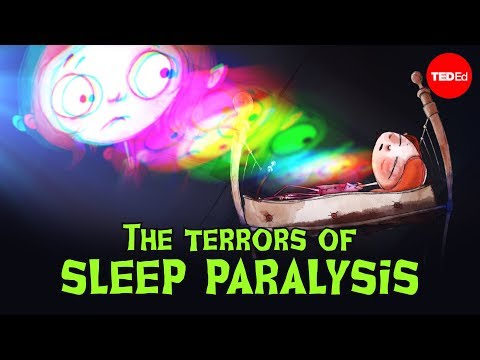
Man, sleep paralysis is no joke. I mean, you wake up, can’t move, and suddenly you’re seeing weird shadows in your room. Yikes, right? It’s more common than you think.
But here’s the thing: it doesn’t just freak you out in the moment. The psychological effects can hang around like an unwanted guest. Seriously! These experiences can mess with your head in ways you might not expect.
So let’s chat about this whole deal. What’s going on in your mind when you get hit with those terrifying moments? And how does it all tie into your mental health? Buckle up!
Exploring the Link Between Sleep Paralysis and Mental Health Issues
Sleep paralysis is one of those experiences that can totally freak you out. It’s that moment when you wake up and find yourself unable to move or speak, usually with a heavy weight on your chest. It can feel like something straight out of a horror movie. But here’s the thing: it might not just be about a spooky experience; there’s a link between sleep paralysis and mental health issues that we really should talk about.
When you think about sleep paralysis, fear and anxiety often take center stage. Many people who experience it report feeling intense dread, sometimes even hallucinating scary figures in the room with them. That’s not just scary; it’s also super stressful! It’s no wonder that people who’ve had these episodes might end up dealing with ongoing anxiety or even panic attacks.
Stress and lack of sleep can actually make sleep paralysis worse too. If you’re stressed out from work or life in general, your body doesn’t relax as much while you sleep. This can lead to disrupted sleep patterns, which are a breeding ground for more episodes of sleep paralysis. Think of it as a nasty cycle: more stress leads to worse sleep, which can trigger panic attacks or heightened levels of anxiety.
Another interesting point is how mental health conditions like depression might find their way into the mix. Folks dealing with depression may struggle with poor sleep quality in general. So when they do experience an episode of sleep paralysis? It can amplify feelings of hopelessness or despair, making it feel like they’re trapped in this dark pit from which they can’t escape.
Some research suggests there could be a connection between REM sleep disorder and mental health issues too. During REM (Rapid Eye Movement) sleep, our brain is super active—it’s when we dream the most! But if something messes up this stage of your sleep cycle, you might find yourself waking up paralyzed more often—and all those crazy dreams don’t help either.
People often wonder if this stuff runs in families too. Research shows there’s sometimes a genetic link when it comes to experiencing sleep disorders, including sleep paralysis. If someone in your family has dealt with mental health challenges or similar sleeping issues, your chances could be higher too.
So what do you do if you’re finding yourself tangled up in this web? Seriously consider talking to someone about it—whether it’s a therapist who understands these kinds of experiences or even just sharing it with friends who might get what you’re going through. You don’t have to go through this alone!
In short, the connection between sleep paralysis and mental health issues isn’t just coincidence—there’s some real psychology at play here! Your emotional state impacts how restful your nights are, and those restless nights can have serious effects on your mental wellbeing down the line. Taking care of both your mind and body can help break that cycle—it’s all connected!
Understanding Sleep Paralysis: Are Your Eyes Really Open During an Episode?
Sleep paralysis can be a really scary experience. You wake up, but you can’t move. Your body feels like it’s stuck, and often, you might see or hear things that aren’t really there. It’s no wonder people freak out during these episodes! But what’s going on in your head, right? And are your eyes actually open when this happens?
First off, let’s clarify what sleep paralysis is. It typically happens when you’re waking up or falling asleep. During this time, your brain is awake while your body remains in a sleep state called REM (Rapid Eye Movement) sleep. In REM sleep, your brain is active, dreaming away while your muscles are basically “turned off” to prevent you from acting out those dreams. So when you wake up but still can’t move – that’s sleep paralysis.
Now, about your eyes… Yes, most of the time they are open! But here’s the thing: being in a state of sleep paralysis doesn’t mean you’re fully awake or aware like when you’re up and about during the day. Your brain might be perceiving things around you as if it’s actively engaged with the world—like sounds or visual sensations—but you’re not fully conscious in the way you’d expect.
Here’s a wild example: imagine someone telling you about their experience with sleep paralysis. They woke up and saw a dark figure sitting on their chest—creepy, right? Their eyes were open; they could see that figure with clarity! But they couldn’t shout for help because their body was completely frozen. This combination of vision and immobility can make it feel even more intense.
Another important point is the psychological effects. Experiencing sleep paralysis can lead to heightened anxiety or fear about sleeping again. You might start associating bedtime with dread instead of relaxation. It can become a cycle where anxiety around sleeping increases the chance of more episodes.
Additionally, if someone experiences frequent episodes of sleep paralysis—sometimes associated with narcolepsy or disrupted sleep patterns—it might also affect their mental health overall. Fatigue from not getting quality rest can amplify feelings of depression and anxiety.
So yeah, when talking about whether our eyes are truly open during an episode—it’s complicated! While they’re often open enough to see some things—even spooky ones—the brain isn’t functioning at full capacity like we’d want it to be in our waking moments.
In closing, understanding what happens during sleep paralysis helps demystify those frightening experiences we go through occasionally during the night. Knowing that it’s just your brain acting weird while you’re caught between sleeping and waking may not take away all the fear but can give you some clarity—and maybe even some comfort!
Unlocking Peaceful Sleep: Effective Strategies to Overcome Sleep Paralysis
Sleep paralysis can feel like a nightmare, and not just because it happens while you’re asleep. You wake up, but your body isn’t ready to move. It’s like being trapped in your own head for a moment. You might see shadows or feel something pressing down on you. Seriously, it’s no fun at all.
The thing is, sleep paralysis is connected to the sleep cycle—especially during the REM phase when most dreaming happens. When your brain wakes up but your body doesn’t, that’s when you get stuck. So, what can you do about it?
Managing Stress and Anxiety
Stress plays a major role in sleep problems. If you’re feeling overwhelmed during the day, that can carry over into your night. Consider trying some relaxation techniques before bed:
Really! I had a friend who started journaling before bed. She said writing helped her untangle her thoughts and sleep better.
Maintaining a Sleep Schedule
Regular sleep patterns can be super helpful. Going to bed and waking up at the same time every day helps regulate your body’s internal clock.
If you keep it consistent—like brushing your teeth or reading a few pages of a book—you’ll train yourself to get sleepy at the right time.
Creating a Sleep-Friendly Environment
Your bedroom should be a sanctuary for rest.
A friend of mine changed her room setup completely. She went from cluttered and noisy to dark and peaceful; she couldn’t believe what a difference it made!
Avoiding Triggers
Certain things can make sleep paralysis more likely.
After cutting out evening coffee altogether, my buddy noticed fewer episodes. Sometimes its just about noticing how different habits affect us!
Tackling Sleep Disorders
Sleep disorders like insomnia or narcolepsy are linked to increased chances of experiencing sleep paralysis too. If you’re often struggling with getting good rest, reach out to professionals who specialize in sleep health.
They might recommend cognitive-behavioral therapy (CBT) which focuses on changing habits related to negative thoughts around sleeping.
While learning how to overcome this kind of experience may take some time and effort—it’s totally doable! Recognizing what causes these episodes is key in moving towards more peaceful nights. You deserve restful slumbers without fear of waking up unable to move!
So, let’s talk about sleep paralysis. You know, that creepy moment when you wake up and can’t move? It’s like your brain is awake, but your body just refuses to cooperate. Seriously, it can feel like a bad horror movie. And believe me, it sticks with you long after the experience is over.
A year ago, I had my first encounter with sleep paralysis. I was lying in bed, half-awake and half-dreaming—I think I was stuck in that weird in-between state where reality and dreams blur together. Suddenly, I felt this heavy weight on my chest and couldn’t move a muscle. My heart raced as shadows danced around the edges of my vision. It only lasted for a minute or two, but it felt like an eternity.
The aftermath? Well, let’s just say it was hard to shake off that fear. I found myself lying awake some nights just waiting for it to happen again. That dread really starts to creep into your mind. You start worrying about sleep in general—like will I ever be able to rest without fear? And then there’s the anxiety that builds if you’ve already had a couple episodes.
It’s interesting how something so seemingly short-lived can have such an impact on your mental health. Some people go through these cycles of anxiety or even depression after experiencing sleep paralysis regularly—like their minds get caught in this loop of fear and anticipation every time they close their eyes. It totally makes sense if you think about it: when you’re stressed about sleeping or too worried to rest well, your whole mood shifts.
And here’s where it gets tricky—the more often you experience it, the harder it can be to cope with daily life stuff too. You might find yourself feeling jumpy or exhausted during the day because you’re not sleeping well at night. It’s like this constant battle between wanting to get some quality z’s and dreading what might happen when you finally fall asleep.
The wild thing? For some folks, this bizarre phenomenon can even lead them down a path of discovering more about themselves—finding ways to manage stress or panic levels through mindfulness techniques or therapy. So while it’s definitely not a pleasant experience by any means, there might be some silver lining hidden somewhere in all that darkness.
In short—sleep paralysis is no joke! It can really mess with your head long after those minutes are up. If someone tells you they’ve had an episode and are feeling off about it later on, don’t brush it off; listen up! They might need a little support as they navigate through those residual feelings of anxiety or unease stemming from such an eerie experience.