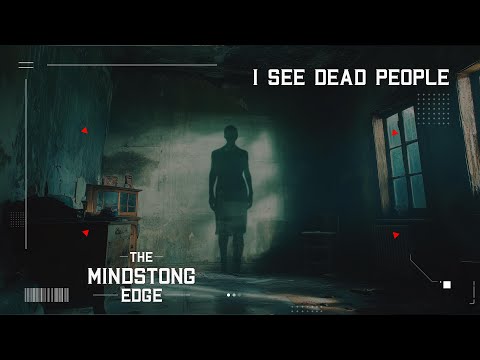
So, let’s chat about something a little off the beaten path—Hag Syndrome. Ever heard of it? It’s not your run-of-the-mill condition, that’s for sure.
Picture this: you wake up one day, and suddenly, the world feels like it’s shifted under your feet. Everything’s foggy, maybe a bit creepy. Yeah, that’s Hag Syndrome in a nutshell.
It’s kind of wild how our minds can play tricks on us when we’re stressed or feeling down, right? And this syndrome is like the mind taking things to an extreme level.
You might think it’s just about feeling weird during sleep or having intense experiences at night. But wait—it digs way deeper than that and touches on some heavy psychological stuff too.
Ready to unravel this mystery? Buckle up!
Understanding the Old Hag Hallucination: Causes, Symptoms, and Treatment Options
Understanding the Old Hag Hallucination is a pretty intense journey through sleep disorders and psychological experiences. You might’ve heard of this phenomenon called Hag Syndrome, which sounds a bit spooky, but it’s more about what happens during sleep paralysis than anything genuinely supernatural.
So, what’s going on with these “old hag” experiences? They happen when someone is caught between sleeping and waking up. Imagine, you’re aware of your surroundings, but you can’t move or speak. Frightening, right? People often describe feeling a heavy weight on their chest or even seeing a shadowy figure—like an old lady (hence the name). It’s all part of the experience—your mind is awake, but your body hasn’t caught up yet, so to speak.
Now let’s break down some key points about this phenomenon:
- Causes: The causes can vary. It could stem from sleep deprivation, stress, or irregular sleep patterns. Basically, if your sleep schedule is bonkers or you’re super anxious about life stuff, you might be more likely to have these hallucinations.
- Symptoms: Symptoms typically include that feeling of being unable to move, tightness in your chest, and seeing or hearing things that aren’t there. Some folks say they hear whispers or sense danger lurking nearby.
- Treatment Options: Treatments usually focus on improving overall sleep health. Therapy can really help too! Talking through anxiety with someone can lighten the load and make those nighttime disturbances less frequent.
You know that feeling when you’re half-asleep and trying to wake up? I once heard from a buddy who had an episode like this. He was lying in bed one night and suddenly felt pinned down—like something was holding him back while he saw this shadowy figure hovering near his door. Super creepy! But after he talked to his doc about it, he learned how managing his stress could make a huge difference in his sleep quality.
The thing is — it’s not just “in your head.” Even though it feels intensely real at the moment, it’s part of how our brains react during those funky twilight zones between wakefulness and sleep. Treatment isn’t about curing some spooky curse; rather, it’s about making sure you get good rest and addressing any mental stressors.
If you’ve ever had something like this happen—or know someone who has—you realize that understanding these experiences is vital. They might seem alarming at first glance; however, with awareness and support from mental health professionals or sleep specialists, getting through them becomes manageable.
So yeah, next time you hear someone mention the old hag hallucination or Hag Syndrome, just remember—it could happen to anyone who’s been juggling their sleep schedule like it’s a circus act!
Understanding the Psychology of Sleep Paralysis Demons: Unraveling Nighttime Fears
Sleep paralysis can definitely be a creepy experience, right? You know when you’re half awake but can’t move, and sometimes you feel this weight on your chest or see some unsettling shadowy figure? Yikes! There’s a whole psychological aspect behind what we call «sleep paralysis demons,» often linked to something called Hag Syndrome. So let’s break this down.
First off, sleep paralysis happens when you wake up (or fall asleep) but your body is still in that sleep mode. Your mind’s ready to face the day, but your body’s like “Nah, I’m chillin’ here.” This disconnect can lead to panic and fear because you might feel trapped.
Now, the demons people often report seeing aren’t really there—thank goodness! They’re part of what your brain creates during this weird state. These hallucinations can manifest in several ways:
- Visual hallucinations: You might see shapes or figures that seem threatening.
- Auditory hallucinations: Sometimes people hear whispers or even menacing voices.
- Sensory experiences: Feeling pressure on your chest or an intense sense of dread can happen too.
You see, our brains are processing a ton of fear during these episodes. They draw on past experiences—like scary movies or stories—to shape what we see and feel. Think about it: if you’ve heard ghost stories before bed or watched a horror flick, it totally makes sense why you’d imagine something spooky lurking around when you’re in sleep paralysis.
Now let’s touch on Hag Syndrome. This has roots in folklore where some cultures describe a witch-like figure sitting on people’s chests while they sleep. It’s fascinating how deeply mixed up culture and psychology can be! You might ask yourself why these nighttime fears stick around for so long. Well, research indicates that people who deal with anxiety or stress might be more prone to experiencing sleep paralysis because their minds are already wired to be hyper-vigilant.
But there are ways to tackle this issue:
- Sleep hygiene: Keeping a regular sleep schedule and creating a calming bedtime routine could help you fall into more restful slumber.
- Reduce stress: Techniques like meditation and deep-breathing exercises may reduce anxiety levels overall.
- Avoid triggers: If certain stimuli—like caffeine late at night—kickstart your episodes, try steering clear of them.
Imagine this—you’re lying there wide awake after just having experienced sleep paralysis. There’s an overwhelming sense of helplessness mixed with fear as you remember those dark figures from before. It feels isolating, like no one quite gets what you’re going through. But know you’re not alone; many have faced the same eerie situations.
Understanding the psychology behind these nighttime fears helps demystify them just a tad. You’ll start seeing that they’re not actual threats—they’re manifestations of anxiety mixed with some erratic brain waves while you’re caught between wakefulness and sleep.
So next time you find yourself ensnared by those shadows creeping into your dreams (or lack thereof), remember it’s just your mind working overtime in an unusual way—the demons may seem daunting at first, but they can be faced head-on with awareness and coping strategies!
Exploring Sleep Paralysis: The Mystery Behind Demons Sitting on Your Chest
Sleep paralysis, man, it’s one of those things that sounds like it belongs in a horror movie, right? You know, the whole idea of feeling awake but being completely unable to move? People often describe this spooky feeling of pressure on their chest as if some evil spirit is sitting on them. Yeah, “demon” vibes for sure. But what’s really going on when you experience this?
First off, sleep paralysis happens during the transition between sleep and wakefulness. Basically, your brain wakes up before your body does. This can freak you out because you’re aware of your surroundings but can’t react or move at all. It’s like your body is still locked in that deep sleep phase where you’re paralyzed to keep you from acting out your dreams. Pretty wild, huh?
Now let’s talk about Hag Syndrome. It’s actually a pretty old term linked to sleep paralysis and comes with a rich history of folklore and superstition. Back in the day, people thought witches were visiting them at night. They’d wake up feeling this weight on their chest and see shadowy figures—totally terrifying! In reality, these shadows are often just hallucinations caused by pressure on the mind during those moments of paralysis.
So why does this happen to some folks more than others? Well, there are several factors:
- Sleep deprivation: Not getting enough shut-eye can lead to an increased risk.
- Stress: High levels of anxiety or stress can trigger episodes.
- Sleep disorders: Conditions like narcolepsy can heighten these experiences.
- Body position: Sleeping on your back might increase the likelihood.
Imagine lying there one night; you can’t move or speak. The room feels heavy with tension, and suddenly you see a dark figure looming over you—it feels real! That’s not uncommon for people experiencing sleep paralysis. That feeling of dread is part of the whole package.
But here’s the thing: while it might feel supernatural or even evil at times, it typically isn’t dangerous physically. The body eventually wakes up completely, and when that happens, most people just shake it off as a bad dream.
It’s important not to feel alone if this happens to you; countless others have gone through similar experiences. It’s super useful to share stories with friends or even look up communities online where folks discuss their own encounters with sleep paralysis.
So yeah… While it feels like you’re being attacked by demons when stuck in that state—it’s really just your brain playing tricks on you because it’s adjusting between sleep modes. And if it keeps happening frequently? Maybe it’s time to hit up a professional who can help delve into any underlying issues related to stress or sleep hygiene.
Sleep tight! Or should I say—don’t let those «demons» bite!
Hag Syndrome, or more formally known as the “Hag Syndrome” (which sounds pretty wild, right?), is essentially a rare condition that combines some physical characteristics with psychological elements. It’s often linked to identity issues and feelings of inadequacy. You know how life can sometimes feel like a series of mirrors that reflect back not just what you look like but also how you feel about yourself? Well, imagine if those reflections were slightly distorted.
People with Hag Syndrome can face some really tough challenges, feeling like they don’t belong or even viewing themselves in an incredibly negative light. So, there’s this story of a woman named Claire—she was vibrant and funny but battled with low self-esteem for years. She felt constantly judged by society’s standards of beauty. Over time, this led her to withdraw from social situations, which only fueled her feelings of isolation. Can you relate? It’s like you start to believe what others say about you until it becomes your own reality.
What makes things even trickier is the psychological side—many folks dealing with Hag Syndrome might struggle with anxiety and depression due to their experiences. Imagine walking into a room filled with people but feeling completely unseen or unworthy; that can be crushing. The disconnect between how one perceives themselves and how they’re perceived by the world creates this constant tug-of-war in their mind.
Therapists often work through these feelings using various approaches. Cognitive Behavioral Therapy (CBT) is one way—they help people recognize those negative thought patterns and challenge them. You know? Like shining a light on the shadows lurking in your mind. They can guide someone like Claire towards self-acceptance and foster an understanding that beauty isn’t just skin deep.
So yeah, while Hag Syndrome is physically rare, its psychological implications are pretty widespread—many people face similar battles related to identity and self-worth every day. Maybe it’s just a reminder for all of us to be more compassionate towards ourselves and others; after all, everyone has their inner struggles, even if we don’t see them right away.