So, you know how sometimes you’re just feeling off? Like, everything seems kinda heavy and gray? Yeah, I get that. It can be tough to figure out if it’s a momentary slump or something deeper.
That’s where this tool comes in. The Hamilton Rating Scale for Depression is like a little check-up for your feelings. It’s not some boring test; it’s designed to help you understand what’s going on in your head.
Picture this: You answer some simple questions about how you’ve been feeling recently, and boom! You get a clearer idea of your mood situation. It’s super helpful, right?
Let’s chat about how it works and why it might just be what you need to take that first step toward feeling better.
Download the Hamilton Depression Rating Scale PDF: Key Insights and Usage Guide
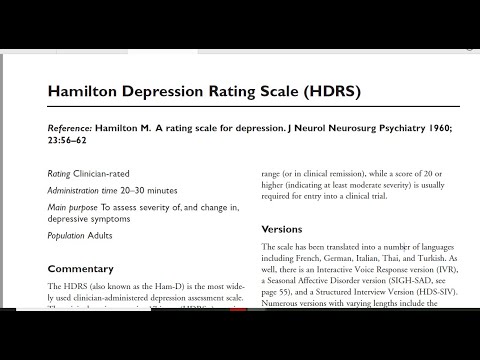
The Hamilton Depression Rating Scale, often just called the Hamilton Scale, is a way to measure the severity of depression in individuals. Developed in the 1960s, it’s pretty popular among healthcare professionals for assessing how someone is feeling. It’s used mainly to track changes in mood over time, especially when someone is undergoing treatment.
One of the cool things about this scale is that it’s not just a checklist. It’s more like a conversation. The clinician asks questions and scores responses based on how intense the symptoms are. This can include things like sadness, insomnia, or anxiety.
You can find various versions of the Hamilton Scale online, and sometimes they come as downloadable PDFs which can be super handy for both patients and practitioners. When using this tool, it’s important to remember a few key things:
- The scoring system: The scale has 17 to 21 items, depending on which version you’re looking at. Each item is rated from 0 to 4 (or sometimes up to 2), with higher scores indicating more severe depression.
- The context matters: It’s most effective when administered by someone trained in mental health assessment since some nuances in responses might need professional interpretation.
- Regular assessments: Using the Hamilton Scale regularly can help both you and your therapist see if treatments are working or if there’s a need for adjustments.
- Not definitive: Remember, while it’s useful, this scale doesn’t replace full clinical evaluations or diagnoses—it’s just one piece of a bigger puzzle.
For example, let’s say you’ve been feeling down for a while. A healthcare provider might use the Hamilton Scale during sessions to track your symptoms. If today you score higher than last week, they can ask about changes in your life—like stress at work or home life—to get better insights.
The effectiveness of this tool hinges on honest communication between you and your provider. So if there’s something bothering you that’s not covered by the questions, don’t hesitate to bring it up!
In short, using tools like the Hamilton Depression Rating Scale allows for better conversations around mental health. They help break down feelings into understandable bits so that treatment can be adjusted accordingly but remember—it’s all part of caring for yourself and finding what works best!
Take the Hamilton Depression Scale Test Online: Assess Your Mental Health Today
So, you’re curious about the Hamilton Depression Scale, huh? Well, let’s break it down. This scale is one of those tools that can help gauge how deep your feelings of sadness might be. It’s like a mental health check-up, if you will.
The **Hamilton Rating Scale for Depression** (often just called the Hamilton Scale) was created way back in 1960. It’s been used by doctors and therapists to assess depression in patients. The test itself typically consists of **17 to 21 questions**, focusing on various symptoms like mood, sleep patterns, and even physical complaints. You might be thinking: «Why should I care?» Well, understanding where you stand on this scale can provide some serious insights into your mental health.
Now, if you’re interested in taking it online, there are plenty of versions available. Just type “Hamilton Depression Scale test” into your search engine and a bunch of results will pop up. Make sure to pick one that’s reputable—like those from healthcare organizations or universities.
Once you start answering the questions, it’ll ask you about things like:
- Mood: Are you feeling hopeless or sad?
- Sleep: Are you struggling with insomnia or sleeping too much?
- Concentration: Do you find it hard to focus on tasks?
Each question has a set scale—usually ranging from 0 to 2 or 0 to 4—measuring the severity of each symptom. The higher your score, the more severe your depression could potentially be.
But here’s something important: taking this test online doesn’t mean you have a diagnosis. It’s more like a starting point for reflection. For instance, a friend of mine once took this test when they were feeling really low. They scored pretty high and realized maybe they should talk to someone about their feelings. It turned out they were experiencing symptoms they didn’t even recognize as being related to depression!
Now that doesn’t mean every high score automatically means you’re clinically depressed; mental health is super nuanced! If you’re finding yourself struggling after taking such tests, reaching out to a mental health professional can really help clear things up.
Remember that self-assessments are only part of the picture. If something feels off or you’re having regular bouts of sadness or anxiety, talking things over with someone trained could make all the difference.
In short? The Hamilton Depression Scale can shed some light on your emotional state—but it’s only one piece of the puzzle when figuring out your mental health journey. If nothing else, it might inspire you to take that next step towards understanding yourself a little better!
Understanding the Hamilton Depression Rating Scale: A Guide to 17-Item Scoring and Interpretation
The Hamilton Depression Rating Scale, often called the Hamilton Scale or HDRS, is a useful tool for measuring the severity of depression in individuals. It’s got **17 items** that cover a range of symptoms. Each item is rated by a clinician or trained professional based on interviews and observations. Basically, it’s like a checklist to help understand how deeply someone might be struggling with their mood.
So, what’s it all about? The scale checks in on various aspects of depression like mood, feelings of guilt, sleep disturbances, anxiety levels, and even physical symptoms like fatigue. With each item scoring from 0 to 4 or 0 to 2 depending on the symptom, you can imagine it’s pretty detailed! This helps paint a picture of how someone’s feeling.
Scoring works like this:
- A score of 0 usually means no symptoms at all.
- A score up to 7 lets you know it’s mild depression.
- Between 8 and 13 indicates moderate depression.
- A score over 14 suggests severe depression.
But here’s the kicker — it’s not just about the numbers. It’s also about context. For example, someone might score high due to a recent loss but may not typically struggle with depression otherwise. That’s why having someone who knows what they’re doing interpret these scores is essential.
Now let’s talk about interpretation. Sometimes even when scores are high, folks might not fit neatly into typical patterns. A clinician will consider personal history and current circumstances alongside these scores to figure out what kind of intervention could work best.
Imagine you’re sitting in front of that clinician while they assess you using this scale; they ask questions in a conversational style. You might say you’ve been feeling sad lately and having trouble sleeping. The clinician listens carefully and marks down your responses next to each item on the scale.
If you’re scoring higher on questions about irritability and lack of enjoyment in life — that tells them something important about your current state. It opens up conversations about therapy options or medication if needed.
So basically, the Hamilton Depression Rating Scale isn’t just numbers jotted down on paper; **it highlights real experiences** and feelings that can lead to meaningful conversations about your mental health.
In summary:
- The HDRS assesses various symptoms related to depression.
- Scoring helps determine severity levels from none to severe.
- Context is crucial for accurately interpreting results.
The bottom line? It’s an essential tool in understanding how deep someone’s feelings of sadness go but should always be part of a larger discussion about mental health with professionals who really get it!
So, let’s chat about the Hamilton Rating Scale for Depression, or HRSD for short. It’s one of those tools that therapists and doctors use to get a grip on how someone is feeling when it comes to depression. You know, like when you’re just not yourself and can’t quite put your finger on why?
Now, the cool thing is this scale isn’t just stuck in a therapist’s office. You can actually find online assessments based on it, which makes it super accessible. I mean, sometimes it feels easier to be honest when you’re clicking through answers in your pajamas instead of sitting face-to-face with someone. Seriously! There’s less pressure.
When you take this assessment, you’re asked about your mood, sleep patterns, energy levels—all that good stuff. I remember a friend once telling me how useful it was for her. She was feeling really down but couldn’t explain why she felt that way until she answered those questions. It helped her see patterns in her emotions she hadn’t noticed before—and just realizing that can be such a relief.
But the thing is, while taking an online assessment might feel freeing and helpful, it’s important to remember it’s not a diagnosis. It’s sort of like peeking into a mirror—it reflects what you’re feeling at that moment but doesn’t capture everything about you or your experience.
And hey, if you do take it and discover some things about yourself? That’s great! Just make sure you follow up with a professional who can help you navigate those feelings further. Because getting support is key; we all need someone in our corner sometimes.
So if you’re curious or concerned about how you’re feeling—an online HRSD assessment could be worth exploring!