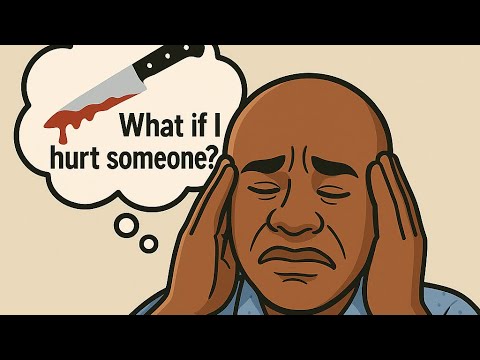
Hey! So, you know how sometimes you just need to talk things out? Especially, like, when it comes to those heavy feelings that stick around?
Well, Harm OCD is one of those tough topics. It’s like a weird mix of anxiety and intrusive thoughts that can, honestly, feel super isolating. You’re not alone in this, though!
Reddit has become this spot for people to share their experiences. Seriously, it’s amazing how opening up online can lighten the load.
In this little chat we’re having today, let’s explore what it’s like to navigate those Harm OCD discussions on Reddit. You might find some comfort—or at least recognize that you’re not the only one going through it! Sound good?
Understanding the Rarity of Harm in OCD: Insights and Implications
OCD, or Obsessive-Compulsive Disorder, can really mess with your head. If you’ve ever stumbled across discussions about Harm OCD on Reddit or other forums, you might have noticed how often people talk about their fears. You know, those worries where you think you might accidentally hurt someone? It’s tough, and understanding this form of OCD is essential for anyone dealing with it.
First off, let’s clear something up: Harm OCD is rare. It’s not that people with OCD want to act on these thoughts; they’re usually the exact opposite of what they want. They can feel like a dark cloud looming over them. The thing is, these intrusive thoughts can be so distressing that they make people feel like they’re going crazy or losing control.
What happens here is pretty interesting. With Harm OCD, individuals often focus on scenarios that are highly unlikely to happen. They may obsess over thoughts like «What if I hurt my child?» or «What if I push someone in front of a train?» But here’s the kicker: having those thoughts doesn’t mean they’ll act on them! It’s more about the fear of having those thoughts that drives them crazy.
An important part of Harm OCD is understanding the involuntary nature of these intrusive thoughts. You’ve got to realize that just because a thought pops into your head doesn’t mean it reflects what you want or who you are as a person. Think about it: if everyone acted on every random thought they had, we’d be in serious trouble! Most people with Harm OCD feel guilt or shame over their thoughts, which only adds fuel to the fire.
When navigating discussions around this topic online—like on Reddit—you’ll find loads of folks sharing their experiences and triggers. And while it’s comforting to connect with others who get it, there’s also some risks involved. Sometimes these discussions can amplify fears instead of helping relieve them because people tend to share stories about their worst moments. So make sure you’re keeping your mental health in check while scrolling through!
And let’s talk about treatment for a minute here because it’s vital for anyone grappling with Harm OCD. Typically, therapies like Cognitive Behavioral Therapy (CBT) can be super beneficial. CBT helps by challenging those pesky intrusive thoughts and reframing how individuals view them—like realizing that these ideas are just that: ideas! Medication may come into play too for some folks, but talking things out in therapy usually lays a great foundation.
Lastly, the implications of recognizing how rare harm actually is within the sphere of OCD can’t be overstated. Realizing you’re not alone and what you’re dealing with isn’t what defines you frees up mental space for healing and growth! It brings clarity amid chaos—light in darkness.
So there you have it—a little insight into the rarity and nuances surrounding Harm OCD. Remember: being honest about your feelings matters immensely; don’t hesitate to seek help when things get tough!
Understanding Murderous Thoughts OCD: Causes, Symptoms, and Coping Strategies
Murderous Thoughts OCD, often known as Harm OCD, can be seriously distressing. If you or someone you know deals with this, it’s important to remember that you’re not alone. Let’s break this down a bit.
What exactly is it? Harm OCD is a type of Obsessive-Compulsive Disorder where you might have intrusive thoughts about harming others or even yourself. These thoughts aren’t just fleeting—they can be super vivid and scary, which is really tough to handle. You might find yourself thinking: “What if I lose control?” Or feeling like you’re a danger to those around you.
Causes? So, what brings this on? The exact cause isn’t fully understood, but a mix of factors probably plays a role. Genetics can matter; if someone in your family has OCD or anxiety disorders, your chances go up. Life stressors can also trigger these thoughts. Maybe it’s a big life change or something traumatic that sets it off. It’s like your brain gets stuck on the worst possible scenarios.
Symptoms? Symptoms of Harm OCD can be pretty wide-ranging. Here are some key ones:
- Intrusive thoughts: These are unwanted thoughts that pop into your mind and feel uncontrollable.
- Anxiety: You might feel anxious just thinking about these violent thoughts.
- Compulsions: To cope with anxiety, you could start engaging in compulsive behaviors—like seeking constant reassurance that you’re safe.
- Avoidance: People with this condition often avoid places or situations where they fear they could harm someone.
Imagine you’re at a family gathering, and suddenly the thought hits: “What if I hurt my nephew?” That thought loops in your mind; it feels real and scary. You may end up avoiding family gatherings altogether just to escape those feelings.
Coping Strategies? Managing these thoughts is no small feat, but there are ways to help deal with them:
- Therapy: Cognitive Behavioral Therapy (CBT), especially Exposure and Response Prevention (ERP), can be effective in treating Harm OCD.
- Mindfulness: Practices like meditation or deep breathing exercises enable you to observe intrusive thoughts without reacting to them.
- Support groups: Connecting with others who understand through forums or groups—like discussions on Reddit—can help reduce feelings of isolation.
Talking about experiences online can sometimes make things less overwhelming. Just seeing someone else share their story might remind you that you’re not fighting this battle alone.
Ultimately, dealing with Murderous Thoughts OCD involves recognizing these triggers and learning constructive ways to cope with those feelings. Remember: having these thoughts doesn’t define who you are! Reaching out for help from professionals and finding support within communities can genuinely make a difference.
Understanding Harm OCD: Can It Really Go Away?
Harm OCD, or Obsessive-Compulsive Disorder with intrusive thoughts about causing harm, can feel like a dark cloud hanging over your head. It’s one of those types of OCD where the thoughts are really distressing and can make you feel like you’re not in control. So, the big question is: **can it really go away?**
First off, let’s break down what happens with Harm OCD. You might find yourself experiencing these repeated, unwanted thoughts about hurting others or even yourself. These aren’t things you actually want to do; they just pop into your mind out of nowhere. It can be super scary and isolating.
Now, when it comes to whether it can go away, the answer is a bit complicated. For many people, Harm OCD does improve over time. But it often requires a combination of therapy and sometimes medication.
- Cognitive Behavioral Therapy (CBT) is particularly effective for OCD. This approach helps you challenge those intrusive thoughts instead of feeling haunted by them.
- Exposure and Response Prevention (ERP), a part of CBT, involves gradually facing fears in a controlled way without doing the compulsive behaviors.
- Some folks also find that medication, like SSRIs (selective serotonin reuptake inhibitors), can help reduce anxiety levels linked to these thoughts.
It’s important to remember that everyone’s journey with Harm OCD is different. Some people might experience significant improvement in months; others may take years to feel more at ease with their thoughts.
I once met someone online who shared their experience on Reddit—let’s call them Sam. Sam had been struggling with these overwhelming fears for years and felt completely alone at times. With therapy focused on ERP and support from other Reddit users who shared similar struggles, Sam started recognizing that these intrusive thoughts didn’t define them as a person. Over time, they found that those pesky thoughts became less intense and frequent. So yeah, there’s hope!
Still, it’s common for people to have ups and downs along the way—days when they feel great followed by moments when the anxiety kicks back in strong. The thing is: patience and persistence are key here.
If you’re navigating your own journey with Harm OCD or trying to help someone else do so, remember this: you’re not alone. There are communities where people share their experiences (like on Reddit), which can be incredibly validating.
So when asking if Harm OCD can really go away—the answer leans toward yes for many folks—but it often takes work. Support from professionals who understand what you’re going through makes a world of difference too!
So, navigating the world of Harm OCD on Reddit is kinda like walking through a maze blindfolded. Seriously, it’s overwhelming but also a bit comforting at the same time. Like, you log in and see all these folks sharing their deepest worries and fears about what if-ing and potential harm they could cause. It’s raw, it’s real, and it really gets to your heart if you’ve ever felt that way.
I remember a while ago when I stumbled upon a thread about someone panicking after an intrusive thought about hurting someone they loved. You know how it goes—your brain throws out the worst-case scenarios just to mess with you. This person was feeling so guilty, like they were some kind of monster for even thinking those thoughts. But then, reading through the replies was something else. People came together, sharing their own experiences with Harm OCD, reassuring this person that intrusive thoughts don’t define who you are. It was like watching a little community rally around someone who felt lost.
But here’s the thing: while it’s super helpful to have people who get it, sometimes you run into posts that are downright triggering or just not helpful at all. Some discussions can turn into this spiral of fear where everyone’s just amplifying anxiety instead of supporting each other. You start thinking, “Is this normal? Am I the only one struggling?” But honestly? You’re not alone at all.
It’s important to remember that Reddit is just one piece of the puzzle when dealing with mental health stuff like Harm OCD. Sure, sharing stories can help lighten the load—but there’s no substitute for professional guidance and support from people who really know their stuff. So while diving into those threads can feel validating and even comforting at times, make sure you’re also taking care of yourself outside that virtual world.
Navigating Harm OCD discussions on Reddit is really about finding balance—grabbing onto those supportive moments and learning when to step back from the chaos too. At the end of the day, we all crave connection and understanding in our struggles; we just gotta be mindful about how we seek it out. So whether you’re posting or lurking in silence, know there’s a whole community out there holding space for your experiences—even when it feels heavy as hell.