You know how sometimes you just click with certain people? Like, there’s this invisible thread that kind of pulls you together. That’s where personality tests come into play. They help us figure out why we vibe with some folks and not others.
Have you heard of the Hartman Personality Test? It’s one of those tools that digs into what makes you tick. Basically, it breaks down our personalities into colors—like red, blue, green, and yellow—and helps us see ourselves in a new light.
So why should you care? Well, understanding your personality can be a game changer for your mental health. It shows how you interact with the world and the people in it. Curious? Stick around; we’re about to uncover some cool stuff about how this test can really be useful in our everyday lives!
Understanding the Hartman Personality Profile Test: Key Insights and Applications
The Hartman Personality Profile Test is super interesting when you look at how it connects to mental health. This test, created by Dr. Hartman, dives into understanding ourselves and how we relate to others. Basically, it sorts people into four main personality types: red, blue, white, and green. Each color represents different traits and approaches to life.
Key insights from the Hartman Personality Profile include:
- Red personalities are all about being strong-willed and assertive. They tend to take charge in situations. Think of a leader who makes decisions quickly and confidently.
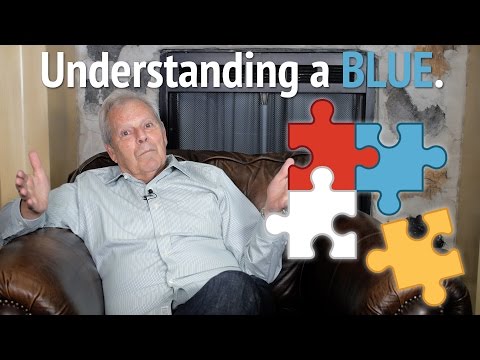
- Blue personalities value harmony and are often warm-hearted. They care deeply about relationships and feelings. Imagine a friend who always listens and supports you during tough times.
- White personalities are known for their calmness. They often avoid conflict and prefer a peaceful environment. Picture someone who goes with the flow, keeping things chill no matter the chaos around them.
- Green personalities are analytical thinkers who love logic and order. They’re the ones solving puzzles or crunching numbers while everyone else is chatting away.
So here’s the thing: understanding these personality types can really help in mental health settings. For instance, therapists might consider your personality type when working on issues like communication styles or relationship dynamics. If you’re a blue personality struggling with conflict resolution, your therapist may use techniques that enhance your strengths while addressing your challenges.
Let’s talk about applications too! The Hartman Personality Test isn’t just for fun at parties; it’s got real-world uses in therapy or workplaces as well! For people in therapy, knowing their type can help tailor treatment plans that resonate better with them.
Imagine Sarah, a red personality who’s always rushing through tasks but feels overwhelmed by her emotions sometimes. If her therapist knows this about her, they can focus on helping her learn emotional regulation strategies that fit her proactive nature.
Moreover, companies sometimes use this test to improve teamwork. Workers from different backgrounds might clash if they don’t understand each other’s styles—like a red trying to lead without realizing their blue teammate needs more emotional support before diving into tasks.
In short, the Hartman Personality Profile Test gives valuable insights into our behaviors and reactions—especially in mental health contexts where understanding yourself can lead to healing and better connections with others.
By unpacking personality types like this, both therapists and individuals can foster deeper understanding within themselves—and honestly? That kind of awareness is powerful for personal growth!
Unlocking Self-Discovery: The Purpose and Benefits of Personality Tests
Personality tests can feel kind of like peeking into your own mind, right? They help you understand who you are, how you think and react. One test that’s often talked about is the Hartman Personality Test. It’s designed to give insights into your personality style by breaking it down into four primary types: Red, Blue, White, and Green. Each of these colors represents different traits and tendencies.
So why would you want to take a personality test? Well, let’s break down the purpose and benefits of these assessments.
Self-Discovery: Personality tests can help you figure out what makes you tick. Do you tend to be more analytical or do you go with your gut feelings? Knowing this can guide your decisions in life, from career choices to personal relationships.
Communication Skills: Understanding different personality types helps improve how you communicate with others. For example, if you know someone is a «Red,» who tends to be direct and assertive, you might adjust how you present your ideas. This can lead to better teamwork and a smoother flow in conversations.
Conflict Resolution: When conflicts arise, knowing each person’s personality type can be super helpful. If you’re trying to resolve an argument with a «Blue» personality—someone who values harmony—you might approach the situation more gently compared to dealing with a «Green,» who may prefer logic over emotions.
Personal Growth: By identifying your strengths and weaknesses through a test like Hartman’s, it gives you clear areas for improvement. You might discover that you’re great at leading but could work on listening skills or vice versa.
Coping Mechanism: In mental health contexts, understanding your personality type helps shape coping strategies. For instance, if you’re more prone to anxiety as a ‘White’ type (who seeks peace), learning techniques tailored for your style can ease stress during tough times.
People often find these tests validating too! I remember a friend who took the Hartman test and realized she was primarily «Blue.» It made sense because she always put her friends first but felt drained sometimes because of it. Knowing her type helped her set healthy boundaries without feeling guilty about prioritizing herself.
While they’re insightful tools, remember that personality tests aren’t the end-all-be-all—they don’t box people in. Instead, they’re starting points for deeper self-reflection and growth. Just think of them as mirrors reflecting aspects of yourself that are sometimes hard to see!
In summary:
- Self-discovery boosts confidence.
- Improved communication enhances relationships.
- Conflicts can be resolved better with awareness.
- Identifying strengths promotes personal development.
- Coping strategies tailored to personality aid mental health.
So whether it’s about improving yourself or understanding those around you better, the Hartman Personality Test is just one way of navigating this complex world we live in!
Understanding the Hartman Value Test: A Key Tool in Mental Health Assessment
The Hartman Value Test is a fascinating tool that helps mental health professionals understand how you see the world. Basically, it’s designed to assess your values, preferences, and personality traits. This test can reveal a lot about your motivations and interpersonal relationships.
What Is It?
The Hartman Value Test focuses on how you perceive yourself and others. It’s based on the idea that understanding one’s values can help clarify psychological pathways you might take in life. Through a series of statements or scenarios, it digs into what’s important to you—like honesty, creativity, or security.
Why Use It?
Mental health assessments often aim to get a clearer picture of a person’s personality. The Hartman Value Test provides insight into your core values, which can be super helpful in therapy sessions. For instance, say you’re feeling lost and unsure about life decisions; this test might help identify if you’re prioritizing certain values over others, like needing social connections versus focusing on career goals.
The Process
When taking the test, you’ll often respond to various statements or questions. The answers reveal aspects of your personality by categorizing values into three main areas:
- Aesthetic: What brings you joy or pleasure.
- Relational: Your interactions with others and how they affect you.
- Cognitive: Your thought patterns and beliefs.
This way of structuring your responses can make it easier for therapists to pinpoint patterns in your behavior or emotional responses.
A Real-World Example
Let’s say you’re struggling with anxiety at work because you feel undervalued by your team. A therapist might use the Hartman Value Test to see if the relational value—how you connect with people—needs more attention than cognitive aspects like overcoming negative thoughts about yourself.
The Outcome
After taking the test, you’ll usually sit down with a mental health professional who will help interpret your results. They’ll discuss what these insights mean for you—not just in therapy but also in daily life. You might discover hidden strengths or areas that need work.
Of course, it’s crucial to remember that while this test offers valuable insights, it isn’t the only measure of someone’s mental health status. It should be used together with other assessment tools for a fuller picture.
In short, the Hartman Value Test can be an illuminating experience that sheds light on what drives you! Even if it seems like just another assessment tool at first glance, its emphasis on understanding personal values makes it unique in the mental health landscape.
So, let’s chat about the Hartman Personality Test, or as some folks call it, the Hartman Profile. It’s kind of a quirky tool that tries to figure out how people think and behave based on their personality. You know, we all have those moments when we just don’t click with someone, and it leaves you wondering what the heck is going on in their head. That’s where this test swoops in to help.
The thing with the Hartman Personality Test is that it divides people into four basic groups: reds, blues, greens, and yellows – think colors rather than those boring categories we usually hear about. Each color represents different traits and inclinations. Like, for instance, reds are usually super driven and assertive – they want results! On the other hand, blues tend to be more analytical and detail-oriented. Can you imagine two people clashing at work because one’s rushing to finish a project while the other’s meticulously checking every single detail? You could cut the tension with a knife!
Imagine for a second you’re working on a team project at school. You’ve got that one friend who’s like all about getting things done efficiently — they could be a red for sure! Meanwhile, another buddy is stressing over every little thing; they’re probably one of those blues I mentioned earlier. If you don’t understand these differences in your personalities, it can lead to frustrations not only in projects but also in friendships.
So how does this tie into mental health? Well, understanding ourselves and others can seriously help improve communication and connection—two major factors for good mental health! Knowing if you’re more of a green (the empathetic ones) or a yellow (the creative thinkers) can affect how you respond to stress or conflict.
Once I had this friend who was totally blue; he would overthink like no one else! He’d spend hours revising emails before sending them, which drove our fellow teammates crazy—especially that red who wanted everything done fast. But when we introduced him to the concepts from the Hartman profile during one of our coffee breaks (yes, coffee brings out good conversations!), he finally got why things were so tough among us. It was an eye-opener for him—and for us too!
The reality is that understanding different personality styles can be really enlightening. It opens up paths for better conversations about emotions and reactions—like “Hey dude, I know your brain’s running laps around this idea but maybe take a step back?” Feeling understood boosts our mental well-being; simply knowing why someone reacts differently gives us patience.
In essence, while tests like these aren’t going to replace therapy or deep self-reflection—but they can be neat tools that shine light on our behaviors and help us navigate life better together. So if you ever find yourself scratching your head over someone’s actions or thoughts—maybe give this test a shot? You might just uncover some pretty interesting stuff about yourself and others along the way!