Hey there! So, let’s chat about something that’s become a total lifesaver for me. You know how life can get super overwhelming sometimes, right?
Well, I’ve recently dived into Hatha yoga breathing techniques, and wow, they’re pretty amazing for mental well-being. Seriously, who knew breathing could be such a game changer?
Picture this: you’re feeling stressed, like your brain is buzzing with thoughts. Instead of spiraling into that chaos, what if you could just pause and take a few deep breaths? Sounds simple, huh?
But here’s the kicker—those breaths can actually help calm your mind and lift your mood. Imagine feeling more centered and relaxed just by focusing on your breath. Sounds good? Let’s get into it!
Discover the Best Pranayama Techniques for Boosting Mental Health and Well-Being
Pranayama, which is basically the practice of breath control, can seriously enhance your mental health and overall well-being. You might be wondering how something as simple as breathing can have such a big impact. Well, it’s all about connecting your breath with your body and mind. When you breathe mindfully, it signals your brain to calm down and focus.
Hatha Yoga has some super effective pranayama techniques that can help you out. Here are a few that are especially great for boosting mental health.
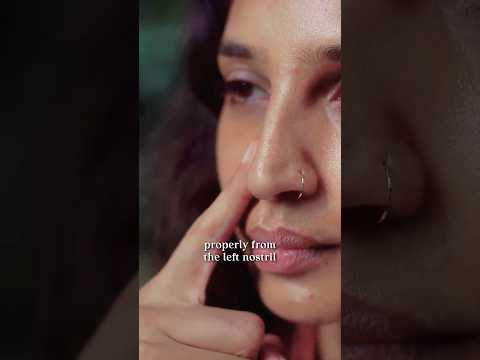
- Nadi Shodhana (Alternate Nostril Breathing): This technique helps balance the right and left hemispheres of your brain. It’s like a little reset for your mind! To try it, close one nostril with your thumb, inhale deeply through the other nostril, then switch and exhale through the first nostril. Do this for several minutes while focusing on your breath.
- Kapalabhati (Skull Shining Breath): This one’s energizing! By forcefully exhaling through your nose while inhaling passively, you can really wake up those sleepy neurons in your brain. It promotes clarity and alertness—perfect if you’re feeling foggy or scattered.
- Ujjayi (Victorious Breath): This one involves slight constriction of the throat while breathing in and out through the nose. It creates a sound like ocean waves (sounds pretty cool, huh?). Ujjayi helps calm anxiety and cultivates focus in a way that feels almost meditative.
- Brahmari (Bee Breath): If you feel overwhelmed by stress or racing thoughts, this technique is for you! You’ll hum while exhaling, creating a buzzing sound similar to a bee. It’s soothing and can help ease tension by reducing restlessness.
Connecting these techniques to mental well-being is just amazing. For instance, when I first tried Nadi Shodhana during a stressful week at work, I felt like I’d hit refresh on my brain’s hard drive! After just a few rounds, my worries seemed less daunting.
You know what else? These practices also help regulate emotions so that when life throws curveballs (and it will), you’re more equipped to handle them without spiraling into anxiety or panic.
Integrating pranayama into daily life doesn’t need to be complicated either. Just 10-15 minutes each day can do wonders for mood stability and mental clarity. And hey, you don’t need to be an expert yogi; anyone can start practicing these techniques at home!
So if you’re looking to boost your mental health naturally, give some of these pranayama techniques a shot! Seriously, working on that breath might just lead you to some much-needed peace of mind.
Unlocking Calm: The Breathing Exercise for Enhancing Mental Health
Breathing exercises can be game changers for your mental health. I mean, it’s crazy how something as simple as breathing can make such a difference. You know those moments when stress hits and your heart races? Breathing techniques, especially from Hatha Yoga, can help calm that storm.
What is Hatha Yoga Breathing? It’s all about controlling the breath to bring balance and peace to your mind and body. Hatha Yoga usually combines physical postures with breathing exercises. These breathing techniques are often referred to as *pranayama*, which translates to «breath control.» And believe me, they can really help with anxiety, stress, and even depression.
The first technique is called diaphragmatic breathing, or belly breathing. You sit or lie down comfortably, place one hand on your chest and the other on your belly. As you breathe in deeply through your nose, let your belly rise while keeping your chest still. Hold it for a moment before releasing slowly through your mouth. This exercise calms the nervous system and helps you feel grounded.
Another great one is Nadi Shodhana, also known as alternate nostril breathing. You start by sitting comfortably and using your right thumb to close off one nostril while inhaling deeply through the open side. Then you switch—close the other nostril with your right ring finger and exhale through the first one. It sounds tricky at first, but once you get the hang of it, it’s super relaxing! Seriously, people often say they feel balanced afterward—like everything around them is just… right.
You might wonder how often you should do these exercises. Try setting aside some time each day—like five or ten minutes—to practice them consistently. Making this part of your routine can build not only calmness but resilience against stress in general.
Just a little emotional nugget here: I remember times when I felt overwhelmed by life – work deadlines piling up or personal issues bubbling over – I’d take a minute to focus on my breath instead of spiraling into anxiety. It was almost like hitting pause on all that chaos for a moment, allowing myself to gather my thoughts again.
Incorporating these practices into daily life really helps center yourself amidst all kinds of storms—big or small! So next time you’re feeling frazzled or anxious about something, don’t forget: sometimes it’s just about taking a deep breath (or two) and finding that calm within yourself!
Top Breathing Techniques for Effective Emotional Regulation: A Guide to Mindful Calm
When it comes to managing your emotions, breathing techniques can be super powerful. Seriously, they’re like a little reset button for your mind and body. If you’ve ever felt overwhelmed or anxious, just focusing on your breath can make a world of difference.
First off, let’s talk about **diaphragmatic breathing**. This one’s a classic but so effective. You know how babies breathe with their bellies? That’s diaphragm breathing. To try it, sit or lie down comfortably. Place one hand on your chest and the other on your belly. Inhale deeply through your nose, aiming to raise your belly while keeping your chest still. Exhale slowly through your mouth. You’ll feel more relaxed after just a few rounds of this.
Another awesome technique is the **4-7-8 method** developed by Dr. Andrew Weil. It’s like an instant chill pill! Here’s how it goes: Inhale quietly through your nose for 4 seconds, hold that breath for 7 seconds (yes, this can be tricky when you’re new), and then exhale completely through your mouth for 8 seconds, making a whoosh sound as you do it. Repeat this cycle four times. It can really help calm racing thoughts.
Then there’s **box breathing**—perfect if you need something structured to focus on. The idea is to inhale for 4 seconds, hold the breath for another 4 seconds, exhale for 4 seconds, and hold again for 4 seconds before repeating the cycle. This one works great if you’re feeling panicky or just need to ground yourself.
If you’re into mindfulness and want something a bit more meditative, try **alternate nostril breathing** (also known as Nadi Shodhana). It might sound complicated but stick with me! You block one nostril with your thumb while inhaling through the other side; then switch after you exhale out that same side you just inhaled from. It’s believed to balance both sides of the brain and promote calmness.
And don’t forget about **coherent breathing**! With this technique, you aim to breathe at a rate of five breaths per minute—or about 6 seconds per inhale and exhale cycle. It really syncs up heart rate variability which can help reduce anxiety levels over time.
So why do these breathing techniques work so well? They tap into our body’s natural stress response system—the autonomic nervous system—which controls things like heart rate and digestion without us even thinking about it! When we breathe deeply and slowly, we signal our brain that everything is okay; like sending out a «no worries» message.
Once I was feeling really stressed by work deadlines—my mind felt scattered like confetti in the wind! I decided to slow things down with some of these breathing methods I learned about in yoga class . After just ten minutes of diaphragmatic breathing followed by box breathing my head felt clearer; that pressure in my chest lifted!
Incorporating these techniques into daily routines—like during breaks or when you’re winding down at night—can create lasting emotional balance over time too! So basically, whenever life feels like it’s throwing too much at you all at once—stop for a moment; take some deep breaths and remember: you’ve got this!
You know, when I first tried Hatha Yoga, I was mostly there for the stretches and to get my body moving. But then, there’s this whole breathing part that totally surprised me. It’s like, the minute you start paying attention to your breath, it shifts everything. Seriously, it’s kind of wild how something so simple can have a huge impact on your mental wellbeing.
Think about it: when you’re stressed or anxious—maybe after a long day at work—your breath gets all shallow and quick. You’re basically holding your emotions in, right? But with Hatha Yoga breathing techniques, which focus on slow and deep inhalations and exhalations, you can actually manage that tension. And here’s the kicker: it doesn’t just help in the moment; it builds resilience over time.
I remember one class where we practiced something called “ujjayi breath.” At first, I felt a bit silly making that ocean-like sound while breathing. But wow! Once I got into it, I felt this wave of calm wash over me like a warm blanket. It wasn’t just about getting through the poses anymore; it was like an emotional reset button. When I walked out of there, my mind felt clearer and lighter.
That feeling stayed with me too. The more I practiced these techniques—like alternate nostril breathing or focusing on my diaphragm—the more grounded and centered I became in my daily life. Even if things got hectic or unpredictable, just taking a couple of deep breaths helped bring back a sense of control.
So really, exploring these breathing techniques isn’t just for yogis or meditation lovers; they can be practical tools for anyone dealing with life’s ups and downs. It’s about giving yourself permission to breathe deeply amidst all the chaos around you. And hey, if you ever find yourself in need of a little mental clarity or emotional balance? Just remember: sometimes all it takes is focusing on your breath to get back to center again!