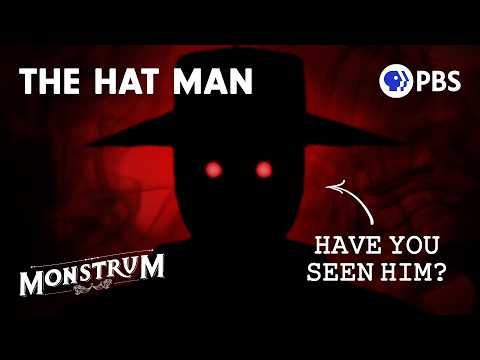
So, like, have you ever woken up but totally felt stuck? You can’t move, and maybe you see this shadowy figure looming over you? Yeah, that’s sleep paralysis, and it’s way more common than you think.
Some folks call it “Hatman” because, well, he often wears a creepy hat. Seriously, it sounds bizarre, but trust me; lots of people have been there.
What’s wild is how it messes with your head. You feel fear like no other. It’s not just about being frozen in place; it’s an emotional rollercoaster!
Let’s dig into what really happens when Hatman pays a visit. It’s a strange mix of sleep science and psychology that can leave lasting impressions on our minds. Sound interesting? Buckle up!
Unraveling the Mystery: Why Do People Experience the ‘Hat Man’ During Sleep Paralysis?
Sleep paralysis can be a real nightmare, literally. You’re lying there, unable to move, maybe feeling a weight on your chest, and then you see him: the Hat Man. Weird, right? Let’s dive into this whole phenomenon and see what’s going on with it.
First off, sleep paralysis happens during the transition between sleep and wakefulness. Your mind is awake; your body isn’t. It can feel super unsettling, and it often comes with vivid hallucinations. Most people describe seeing shadowy figures or feeling a presence in the room. And that’s where the Hat Man comes in.
Why a hat? Well, it might be connected to cultural imagery. People from different backgrounds report similar figures wearing hats—like fedoras or top hats—when they experience sleep paralysis. This suggests that our brains might be tapping into shared cultural fears or archetypes while we’re in that altered state of consciousness.
Some experts think the Hat Man is tied to fear. When you’re paralyzed and vulnerable, your brain might conjure up threats from your subconscious—hence the creepy figure. Think about it: you’re unable to move or scream; it makes sense for our minds to create something terrifying in that moment of helplessness.
Next up is stress and anxiety. Those who experience high stress levels are more likely to have episodes of sleep paralysis. It’s like your mind is running a horror movie while you’re stuck in low gear physically! So if you’ve got anxiety about work or personal stuff piling up, your chances of meeting Mr. Hat increase.
Also, let’s talk about sleep deprivation. Not getting enough z’s can throw off your sleep cycle big time, increasing the risk of experiencing those wild sleep paralysis episodes. If you’re pulling all-nighters or not hitting those recommended hours consistently—you might just find yourself facing off with this mysterious figure more often than you’d like.
Finally, there’s the psychological angle—like how our memories shape these experiences. If you’ve heard stories about the Hat Man before falling asleep—or even watched a scary movie about him—your brain could blend those memories into your dream state during an episode.
So if you’ve encountered this figure during sleep paralysis, know you’re not alone! Many people have had similar experiences. And while he might feel intimidating when he shows up at night—understanding what’s happening could lessen some of that fear next time around.
In summary:
- The Hat Man appears during sleep paralysis as an expression of fear.
- His appearance may vary based on cultural background.
- High stress or anxiety levels can lead to more frequent encounters.
- Lack of sleep increases the risk of having these episodes.
- Your past experiences shape what you see while paralyzed.
So next time you’re lying there frozen in place, remember: it’s just your mind playing tricks on you because it doesn’t know how to handle all that stress!
Understanding the Mental Impact of Sleep Paralysis: Effects on Your Mental Health
Sleep paralysis is one of those freaky experiences that can really mess with your head. You wake up, you can’t move, and sometimes, it feels like there’s a heavy presence in the room with you. For many, this comes with the infamous “hatman” figure, a shadowy entity that seems to loom over them. But what’s even more interesting—or troubling—is how this bizarre experience hits your mental health.
First off, let’s break down sleep paralysis itself. It happens when you’re waking up or falling asleep and your mind is awake but your body is still in a dream-like state. It’s like your brain is telling you to get up, but your body doesn’t get the memo. And while most episodes last just a few seconds to a couple minutes, they can feel like an eternity.
Now, about that mental impact—the effects can be quite profound. Here are some key ways sleep paralysis might mess with your psyche:
Of course, the hatman figure adds an extra layer of psychological drama. It’s not just about feeling immobilized; there’s this added narrative of fear that comes along with it. Many people describe seeing this “hatman” as if he’s looming there just waiting for something bad to happen.
And here’s where things get personal: imagine lying there frozen in bed thinking you’re under threat while unable to scream or move away—that kind of helplessness can stay etched into your mind long after the episode is over.
It’s also worth noting that cultural factors play a role too. In different cultures, similar experiences are often attributed to various mythological creatures or spirits, which adds another layer of complexity when it comes to coping strategies and understanding these phenomena.
So if you’ve been through this kind of experience and feel off mentally afterward—totally understandable! It’s crucial to talk about these feelings because they matter! Reaching out for support from friends or even professionals can help normalize what you’ve gone through.
Unraveling the Psychology Behind Hat Man: Understanding the Phenomenon
So, let’s chat about something that’s been creeping into the minds of people for ages: Hat Man. You know, that eerie figure you might see during sleep paralysis? Yeah, it’s a thing. This experience can be really unsettling and leaves a lot of people wondering what on earth is happening when they’re stuck in bed, unable to move.
First off, sleep paralysis itself is a phenomenon where you wake up but can’t move or speak. It can last for a few seconds or minutes and can be accompanied by hallucinations. The thing is, these hallucinations can get pretty intense—like feeling pressure on your chest or seeing shadowy figures. Hat Man is one of the more famous ones people report.
So why do we see him? Well, during sleep paralysis, your brain is partially awake while your body is still in sleep mode. You’re aware of your surroundings but unable to control your muscles. This mix-up can stir up some real fear because it feels so real! When you’re scared and can’t move? That’s when the mind goes wild.
People have described Hat Man as wearing a long coat and an old-fashioned hat, often looming at the foot of the bed or right beside them. It’s like a bad movie scene coming to life! Interestingly enough, this figure appears in different cultures under various names but shares similar characteristics everywhere.
Now let’s look at some key points about this phenomenon:
- Cultural Influence: The idea of shadowy figures isn’t unique to one place or culture; they pop up globally!
- Fear Response: When our fight-or-flight system kicks in, it amplifies fear and makes us more likely to perceive threats—even if they’re just products of our imagination.
- Stress and Anxiety: Higher levels of stress in your life can make these episodes more frequent.
- Sensory Input: Sometimes you might hear noises or feel vibrations during these moments which intensifies the feeling that something sinister is there.
It’s worth mentioning that while experiencing Hat Man is scary as heck, it doesn’t mean you’re losing touch with reality or anything like that! It’s just your brain trying to make sense of conflicting signals while you’re in this awkward sleep state.
For some folks who deal with ongoing stress or anxiety, experiencing Hat Man can feel especially horrific because it taps into their existing fears. Like having an annoying recurring nightmare! Speaking from personal experience—imagine waking up from a disturbing dream only to find yourself paralyzed? That moment of realizing you can’t scream for help adds layers to an already frightening experience.
To wrap things up (you know I have to keep it real), if you’ve met Hat Man—or felt his presence—you’re definitely not alone. Lots of people share similar experiences. If it’s becoming too much for you—like seriously impacting your sleep—you might wanna chat with someone who knows about these things professionally. Sometimes just talking about it can take away its power—a little bit like shining light on monsters hiding under the bed!
Remember though: understanding what happens when we encounter figures like Hat Man helps demystify the whole thing and might lessen that midnight dread just a tad bit!
You know, sleep paralysis is one of those things that sounds super freaky and really gets to people. I mean, imagine waking up and being unable to move, like you’re frozen in your own body. It’s no surprise that many folks experience hallucinations during these moments, and that’s where the Hatman comes in.
The Hatman is this figure many people report seeing during sleep paralysis episodes—usually a shadowy dude wearing a hat, looming over them. Creepy, right? I remember a friend once told me about his encounter with the Hatman. He described waking up in the middle of the night, feeling this weight on his chest, and looking over to see this dark figure just standing there. He was terrified! It left him shaken for days.
What’s interesting is how these experiences can play with your mind. Most people experiencing sleep paralysis feel intense fear or anxiety. It can be isolating too; you’re awake but can’t scream or call for help. Seriously, when you think about it—being trapped in your own body while facing something so frightening? That can lead to serious psychological side effects.
For one thing, if you’ve had that happen even just a few times, it can lead to anxiety around sleep itself. You might start dreading bedtime because you’re worried about having another episode—or worse—seeing the Hatman again! That fear can snowball into insomnia or other sleep issues which keeps the whole cycle going.
And let’s not forget about how these experiences affect people differently. For some, it’s just a weird story to share with friends over drinks; for others, it might trigger deeper issues like trauma or a heightened sense of vulnerability that sticks around long after they wake up.
So yeah, while sleep paralysis sounds like just a spooky tale, for many folks it has real psychological impacts that can linger beyond those eerie moments in the night. It’s all intertwined with our mental health and how we perceive safety and control in our lives—even when we’re trying to catch some Zs!