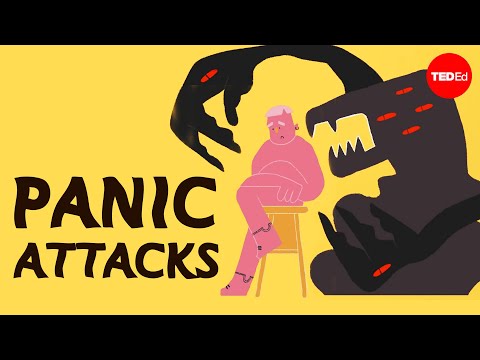
You know that feeling when your heart starts racing out of nowhere? Like, one minute you’re chilling, and the next, you’re in full-on panic mode? Yeah, that’s an anxiety attack coming out of the blue.
It can feel super overwhelming. Suddenly, you’re sweating buckets and struggling to breathe—charming, right?
But here’s the thing: you’re not alone in this. Lots of people deal with surprise anxiety attacks.
Let’s chat about what that really means—like what goes on in your head when it hits and how you can wrangle those pesky feelings back in. It’s not as scary as it sounds!
Understanding the Triggers Behind Sudden Anxiety Attacks: Common Causes and Insights
So, you know those days when everything seems fine, and then out of nowhere, you feel like a freight train just hit you? That sudden wave of anxiety can really throw you off. Let’s break down what might be happening in your mind and body when these anxiety attacks pop up without warning.
Understanding Triggers
Triggers can be sneaky little things. Sometimes, they’re obvious, like a deadline at work or an awkward conversation. But other times? They can seem totally random! The thing is, our brains are wired to react to certain stimuli based on past experiences, even if we don’t consciously realize it.
- Stress: High levels of stress – from work or personal life – can create a perfect storm for an anxiety attack. It’s like your brain just reaches its boiling point!
- Biological Factors: Genetics play a role too! If anxiety runs in your family, you’re more likely to experience it yourself.
- Caffeine and Sugar: Yup! Overdoing it on caffeine or sugary snacks can send you into overdrive. Your body gets revved up and might not know how to calm down.
- Changes in Routine: Disruptions or changes—like moving houses or starting a new job—can trigger feelings of anxiety. It’s that darn uncertainty creeping in again.
- Panic Disorder: If you’ve had unexpected panic attacks before, you might be more sensitive to feelings that remind you of those moments. Kind of like waiting for the next shoe to drop.
The Body’s Reaction
When stress hits, your body goes into fight-or-flight mode. Basically, it’s saying “run away!” or “fight back!” The problem? This response can happen even when there’s no real danger around. Let’s say you’re sitting at home and suddenly start sweating or feeling dizzy. Your body might think you’re facing a bear—when really you’re just trying to finish up Netflix!
That physical response comes with heart palpitations, shortness of breath, and maybe even nausea… Not fun! It’s no wonder that the next time something stressful arises—even if it seems small—you might feel an anxiety attack creeping up.
Personal Anecdotes
I remember chatting with my friend Sarah one day about her experience with sudden anxiety attacks. She’d be grocery shopping one moment and then feel intense panic out of nowhere—like she couldn’t breathe right there in aisle six! For her, it was crowded places that triggered those feelings; they reminded her of being overwhelmed during high-pressure times at work.
After some trial and error with mindfulness practices and therapy sessions focused on understanding her triggers better, she found ways to cope more effectively.
Taking Control
So what can you do about this stuff? First off: don’t beat yourself up if these things happen! Seriously—it happens to so many people. Recognizing what triggers your anxiety is half the battle.
- Meditation & Mindfulness: These practices help ground you when anxious thoughts start swirling around.
- Talking It Out: Whether it’s friends or professionals—sharing what you’re going through takes some weight off your shoulders.
- Physical Activity: Getting moving helps release endorphins which are natural mood lifters!
In short? Sudden anxiety attacks catch us off guard sometimes but knowing what could trigger them makes them a little less scary. You’re not alone in this journey; many have found ways through the fog of anxiety—and so can you!
Understanding Dissociative Panic Attacks: Causes, Symptoms, and Coping Strategies
So, let’s chat about dissociative panic attacks. They can be super intense and pretty confusing. You might think, “Wait, is this a panic attack or something else?” Well, that’s a great question! First off, it’s essential to know what’s going on so you can handle it better.
Dissociative panic attacks are a bit different from regular panic attacks. With regular ones, you get that overwhelming sense of dread, heart racing, and maybe even some sweating. But with dissociative ones, there’s this added layer where you might feel detached from yourself or your surroundings. Like you’re watching life through a foggy window. This can make everything feel surreal and can leave you feeling really scared.
Now let’s break down some causes. Honestly, life can get intense sometimes. Stressful events—like losing a job or going through a breakup—can trigger these episodes. Even chronic stress builds up over time and just explodes into an episode out of nowhere. And then there are those times when trauma plays a role too. If you’ve been through something traumatic in the past, your brain sometimes protects itself by causing dissociation during high-stress moments.
As for the symptoms, they often include:
- A feeling of being outside your body.
- Confusion about what’s real.
- A racing heart or trouble breathing.
- Sweating or shaking.
- A sudden fear that makes no logical sense.
It’s like your brain is trying to protect you but ends up making things feel even more chaotic.
Now, coping strategies? Yeah, those are crucial! When faced with one of these episodes, there are some things you can try:
- Grounding techniques: Focus on your surroundings. Try to name five things you see right now or touch something with texture to bring yourself back.
The other day I saw my friend just focus on the details of his coffee cup during an episode; it really helped him calm down. - Breathing exercises: Slow your breath down—try to count to four as you inhale and then exhale with the same count.
It sounds simple but seriously works wonders. - Talking it out: If you’re in a safe space with someone you trust, just telling them how you’re feeling can help ground you.
It softens the edges of that panic and brings support your way. - Writing it down: Sometimes journaling about how you’re feeling helps put everything into perspective afterward.
You’d be surprised how clarity comes from just letting those thoughts flow out onto paper.
These strategies might not work instantly for everyone but give them a shot to see what sticks for you.
If this stuff keeps happening often and throws off your daily life? Seriously consider reaching out for professional help. A therapist can guide you through techniques tailored just for your needs.
So yeah, understanding dissociative panic attacks doesn’t have to be overwhelming once you break it down into bite-sized pieces like this! You’ve got options—and knowledge is power when it comes to mental health!
Understanding Anxiety Attacks: Are They Psychological or Physical?
Anxiety attacks can feel like being thrown into a tornado, right? One minute you’re chillin’, and the next, boom! Your heart’s racing, your palms are sweaty, and it might feel like you’re losing control. The big question is: are these attacks mainly in your head or is there something physical going on too? Let’s break it down.
First things first, anxiety attacks can hit unexpectedly. You could be grocery shopping, and suddenly your heart starts pounding like it’s trying to escape your chest. That’s because anxiety attacks are both psychological and physical. The brain and body are pretty much best friends in this chaotic dance of anxiety.
When we talk about the psychological side, we’re looking at how your thoughts and feelings trigger these responses. For example, if you’re feeling stressed about work or personal relationships, that can turn into an anxiety attack. The brain interprets danger where there might not be any. It’s like having a smoke alarm that goes off when you burn toast; totally annoying but sadly common!
Then we have the physical side. During an anxiety attack, your body goes into fight-or-flight mode. This means your sympathetic nervous system kicks in hard—adrenaline floods your system which causes all those wild symptoms like rapid heartbeat, sweating, or even dizziness. It’s like you’re gearing up for a bear fight when there’s no bear at all!
Now here’s where things get tricky: since the body reacts to stress with physical symptoms, they can feel very real and scary. You might even think you’re having a heart attack! But what actually happens is that it’s all part of that panic response stirred up by intense emotions.
People often wonder how long these episodes last. Well, some of them can be quick—like just a few minutes—while others might linger longer than you’d like to admit. And guess what? There isn’t always a clear trigger! Sometimes they just show up outta nowhere.
Also worth mentioning is how important it is to recognize these attacks for what they are. Acknowledging that it’s just anxiety can help ease some of the fear associated with those episodes. When you understand what’s happening in both your head and body, it makes it easier to cope.
So sometimes talking to a therapist about underlying issues really helps too; they can give you tools to deal with those anxious thoughts before they spiral out of control into full-blown attacks.
In short: Anxiety attacks are both psychological and physical experiences intertwined in complex ways. They mess with our minds while our bodies react fiercely too—in an effort to protect us from perceived danger.
Next time you’re faced with sudden panic attack vibes, remember: **you’re not alone** in this whirlwind experience! It’s a mix of your mind playing tricks on you while your body reacts—and knowing that can help take some power back during those moments when everything feels topsy-turvy.
You know, anxiety attacks can feel like an unexpected punch to the gut. One minute you’re going about your day—maybe sipping coffee or chatting with a friend—and the next, it’s like your heart decides to throw a rave in your chest. Seriously, it can be so overwhelming.
Let me tell you this quick story. A friend of mine was at dinner with some folks from work one night. They were laughing and sharing stories, but suddenly, she felt dizzy and couldn’t catch her breath. It felt like everyone was watching her, although no one was really focused on her at all. She rushed out to the bathroom, convinced she was having a heart attack or something equally dramatic. Spoiler alert: she wasn’t! Just an anxiety attack that hit out of nowhere.
So why do these things happen? Well, anxiety attacks often sneak up on people because they’re linked to what’s known as the body’s fight-or-flight response. You’ve got this little part in your brain called the amygdala that’s basically in charge of scanning for danger all the time. When it perceives a threat—real or imagined—it activates that response, flooding your body with adrenaline and other stress hormones.
And here’s where it gets tricky: sometimes life just throws you these curveballs. Maybe you had a stressful day or you didn’t sleep well last night; sometimes there isn’t even an obvious trigger! This unpredictability can really ramp up feelings of fear around having another attack, which kind of creates this vicious cycle where you’re constantly on edge.
From a psychological perspective, it’s fascinating yet frustrating how our minds work in this way. Cognitive-behavioral therapy (CBT) is one approach that helps folks understand and change those thoughts fueling their anxiety. Imagine being able to rewire those anxious thoughts into something less scary! It’s empowering when you think about it.
But hey, if you’ve ever been through something like this—just know you’re not alone. Anxiety is way more common than people realize; it’s okay to reach out for support if you’re feeling overwhelmed by it all! The thing is, understanding what might be happening in your brain can help take some of the fear out of those sudden attacks and give you tools to manage them better next time they pop up.
So really, while anxiety attacks might come without warning, there’s hope for getting back on your feet again after they hit hard. Just gotta hang tight and lean on those coping strategies when life gets turbulent!