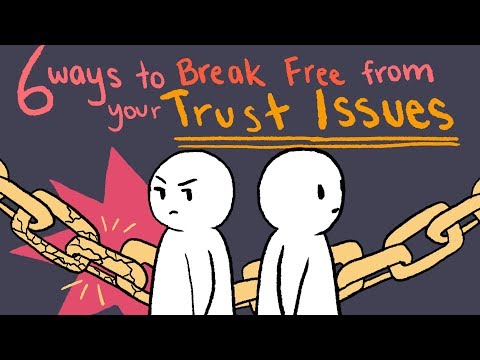
Trust issues in relationships, huh? They can be such a tangled mess. You know, one minute you’re feeling all lovey-dovey, and the next, you’re questioning everything.
I mean, who hasn’t been there? It’s frustrating and awkward. Sometimes you feel like you’re just waiting for the other shoe to drop.
Like, maybe you’ve been hurt before or seen something that made your stomach turn. Those feelings? They can linger longer than a bad smell!
But here’s the thing: trust isn’t just given; it’s built. And when it starts to crumble, oh boy… that’s when things get tricky.
So let’s talk about it—why we struggle with trust and how we can work through it together. Sound good?
Understanding the 3-3-3 Rule: A Guide to Strengthening Relationship Dynamics
The 3-3-3 Rule is one of those quirky yet practical tools that can really help you manage trust issues in relationships. What it does is provide a simple framework for addressing emotional overwhelm and building healthy dynamics. It’s about grounding yourself during moments when you feel anxious, insecure, or just plain confused in your connection with someone else.
So, what’s the 3-3-3 Rule all about? It’s actually straightforward. When you’re feeling overwhelmed, you focus on three things you can see, three things you can hear, and three things you can feel. Basically, this method helps pull your mind away from spiraling negative thoughts and brings you back to the present moment.
Let’s break it down a little more:
- Three Things You Can See: Look around and identify three objects in your environment. Maybe it’s that colorful painting on the wall or the sunlight streaming through the window. This visual focus helps anchor your mind.
- Three Things You Can Hear: Tune into the sounds around you. It could be birds chirping outside or the faint hum of a refrigerator. Listening distracts your brain from anxiety-triggering thoughts.
- Three Things You Can Feel: This might be trickier but get in touch with something tangible—like the texture of a pillow or the ground under your feet. Sometimes just feeling something real can be calming.
So here’s how this plays out in real life: Imagine you’re sitting on the couch with your partner after having an argument about trust issues—like maybe they’ve been acting distant and it’s got you worried. Your mind might start racing through all sorts of “what-ifs,” making it hard to talk openly.
Instead of getting lost in that mental maze, try using the 3-3-3 Rule. First, glance around and pick three objects to focus on; say, a lamp, a photo frame, and a book on the shelf. Then listen closely for those sounds—maybe it’s some music playing softly or cars passing by outside. Finally, check-in with what you’re physically feeling—like how warm that blanket is wrapped around you.
This practice not only helps settle those racing thoughts but also gives both of you time to breathe before diving back into what really matters: talking about feelings openly without jumping to conclusions or accusations.
When used regularly, especially during tough moments, this technique gradually builds trust within yourself first—which is key! When you’re calmer and more grounded individually, you’re less likely to react defensively toward each other.
And here’s another angle: if both partners agree to practice this rule together when tensions rise? It can actually serve as a bonding exercise instead of just fixing problems! You might find yourselves laughing over odd distractions while connecting on emotional levels—that’s pure gold for relationship health!
In summary, the 3-3-3 Rule isn’t just another self-care hack; it’s an empowering tool that can fortify trust dynamics. By learning how to handle overwhelming feelings as they come up together, you’ll strengthen your connection over time—and who doesn’t want that?
Trust Issues in Relationships: Understanding Their Impact and How to Overcome Them
Trust issues in relationships are, like, a pretty common hurdle that many people face. You know how it goes—one betrayal or disappointment can leave us feeling super guarded. It’s just tough to let someone in again. Let’s dig into what trust issues really mean and how they can turn relationships upside down.
What Are Trust Issues?
At their core, trust issues mean you have difficulty believing someone is being honest or reliable. This could stem from past betrayals, insecurities, or even personal experiences outside of the relationship. It feels like a heavy weight on your chest when you’re constantly questioning if your partner is genuine.
For example, imagine you had a friend who once spilled your secrets to others. Now, every time your current partner mentions hanging out with new friends, you might freak out inside, right? That’s the baggage coming into play.
The Impact of Trust Issues
Trust issues can lead to all sorts of emotional turmoil. You may find yourself constantly texting for reassurance or checking up on your partner more than you’d like to admit. It can create distance in the relationship and lead to misunderstandings—not fun at all!
On top of that, this doubt can foster jealousy or resentment. Like, if you see your partner laughing with someone else, instead of thinking it’s innocent fun, you might go straight into “what are they hiding?” mode. It’s exhausting and honestly pretty unfair to both people involved.
How to Overcome Trust Issues
Now for the good stuff: overcoming these trust issues is totally possible! Start by having open conversations. Seriously. Letting your partner know where you’re coming from helps them understand why you’re feeling this way. They might be more supportive than you expect.
Also consider taking baby steps towards rebuilding trust—this could mean sharing small things at first and gradually opening up more over time. If they prove reliable consistently, it’s easier to let down those walls little by little.
Therapy can also be a game-changer here! Having a neutral person guide discussions can help both partners express themselves without triggering high emotions. Plus, it gives you tools to deal with those feelings instead of just stuffing them down.
And remember: it’s okay to take time. Healing doesn’t happen overnight! Recognizing that it’s a process helps set realistic expectations for yourself and your partner.
Overall, while trust issues can feel like an insurmountable wall sometimes, there are definitely paths around it—trust me on that one! Being proactive about communication and seeking support makes all the difference when tackling this complex but important part of relationships.
Understanding Trust Issues in Relationships: A Comprehensive PDF Guide to Navigating Complexities
Trust issues in relationships can really complicate things, can’t they? You might find yourself second-guessing your partner’s words or feeling anxious about their actions. The thing is, trust is like the foundation of a house. If that foundation is shaky, everything else feels wobbly too. Let’s break this down a bit.
What Are Trust Issues?
Trust issues occur when you have difficulty believing in someone else’s reliability or integrity. This could stem from past experiences—like betrayal in previous relationships or childhood experiences where you felt let down. It can make you feel constantly on edge, questioning every little thing your partner does.
Why Trust Issues Happen
You know, there are various reasons for trust issues. Here are some of them:
Let’s look at a quick story to illustrate this. Imagine Sarah; she was betrayed by her ex and couldn’t shake off that feeling of vulnerability. Now with her current boyfriend, every time he goes out with friends, she feels a knot in her stomach. That’s her trust issues flaring up.
The Impact on Relationships
When trust issues bubble up, they can cause unnecessary conflict and tension. You might find yourself checking your partner’s phone or needing constant reassurances about their love for you. This behavior often leads to arguments or puts strain on the relationship over time.
But hey! It’s not all doom and gloom! Understanding these trust issues is the first step towards overcoming them.
Navigating Trust Issues
So how do you navigate these choppy waters? Here are some pointers:
It’s crucial for both partners to be on the same page here. For instance, if John understands why his partner Lisa feels uneasy about him being friends with an ex, they can work together to build trust rather than fight against each other.
The Role of Therapy
Sometimes getting an outside perspective helps too! Couples therapy can be beneficial when it feels like both individuals just keep missing each other. A therapist can provide tools to build trust again and help address underlying issues contributing to those feelings of doubt.
In summary, trust issues are common but manageable challenges within any relationship. By communicating openly and addressing those feelings head-on—alongside possibly seeking professional help—you can navigate around these complexities together. Building back trust takes time but it’s so worth it when done right! So remember, take small steps towards rebuilding that important foundation of your relationship—because it can lead to something beautiful!
You know, trust issues can really mess with relationships. I mean, we all want to feel secure and loved, right? But when trust is shaky, it’s like trying to build a house on sand. One little wave of doubt can come crashing in and cause everything to crumble.
I remember a friend, let’s call her Sarah. She was super excited about this new guy she was dating. But every time he didn’t text back right away, she freaked out. It wasn’t even about him! It was stuff from her past—like an ex who ghosted her. I felt for her because I could see how those old wounds were shaping her current happiness.
So when it comes to trust issues, there are layers to peel back. It could come from past heartbreaks or even family dynamics growing up. Maybe you had a parent who let you down or friends who betrayed your confidence; those experiences stick with you like gum on the sole of your shoe.
What often happens is that we project those past experiences onto new relationships without even realizing it. You start seeing red flags everywhere when they might not be there at all. Like if your partner spends an evening out with friends and doesn’t check in constantly, it can spiral into thoughts of “Are they hiding something?” That kind of mentality isn’t just tiring; it’s also unfair to the person who’s just living their life!
But here’s the kicker—communication is key! If you’re feeling those trust vibes creeping up on you, just talk about it! Seriously! Letting your partner know what triggers those feelings can help them understand where you’re coming from and what they might need to do differently.
And hey, for anyone who’s reading this and resonating with Sarah’s story—trust takes time to build. It’s not an overnight process; it’s more like creating a jar of marbles: each moment shared adds another marble until you’ve got a solid collection that represents your bond.
At the end of the day, navigating trust isn’t easy—it requires vulnerability and courage from both sides. Yeah, it’s messy sometimes but so worth it when you can finally breathe easy around someone special again!