Hey, you know how sometimes it feels like life just sucks the joy out of everything? Like, you wake up and it’s just hard to find a reason to get out of bed? Totally get that.
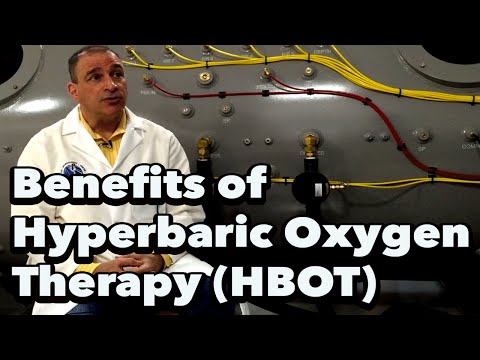
Well, depression can hit us like a ton of bricks. It’s not just feeling sad; it’s like this heavy fog that won’t lift. But here’s something you might not have heard of: Hyperbaric Oxygen Therapy, or HBOT for short. Sounds fancy, right? But stick with me!
This treatment is starting to pop up in conversations about mental health. Some folks are saying it actually helps with depression! I mean, how cool is that? So let’s chat about what HBOT really is and why people are buzzing about it in the world of mental wellness.
Exploring the Most Common Complication of Hyperbaric Oxygen Therapy: Insights and Solutions
Hyperbaric Oxygen Therapy (HBOT) is gaining attention for its potential benefits in treating various conditions, including some mental health issues like depression. But it’s not all sunshine and rainbows. There are complications to be aware of.
Most Common Complication: Barotrauma
One of the biggest headaches with HBOT is something called barotrauma. This happens when there’s a pressure change, usually during the descent or ascent in the hyperbaric chamber. Your ears and sinuses can feel it the most. Picture this: you’re diving underwater, and your ears pop when you go down or come up too quickly. It’s kind of like that but more intense.
- During treatment, if you’re not equalizing pressure properly, you might experience pain or discomfort.
- This could lead to damage in your eardrums or sinuses if not managed correctly.
- In severe cases, it can cause temporary hearing loss or even tinnitus.
So, what’s the solution? Well, communication is key. If something feels off during your session—like unbearable ear pain—let your technician know right away. They’re trained for this stuff and can help you adjust.
Oxygen Toxicity
Another complication that sometimes pops up is oxygen toxicity. When you’re breathing in pure oxygen for long stretches, it can mess with your nervous system. You might experience symptoms like headaches or a weird sense of unease—a little like anxiety creeping in.
- This is more common with longer sessions than recommended.
- The nervous system can take a hit if exposed to high levels of oxygen for a prolonged period.
You may be wondering how this relates to depression treatments specifically. Well, while HBOT does show promise by helping to stimulate blood flow and reduce inflammation—two things that might ease depressive symptoms—the wrong dosage or timing could backfire.
Solutions?
To avoid these complications:
- Your healthcare provider should carefully monitor how many sessions you get and their length.
- A thorough pre-treatment assessment should be done to evaluate any risks related to your health history.
Plus, staying hydrated before and after treatments helps your body adjust better!
Final Thoughts
Look, while HBOT could potentially lift some dark clouds for folks dealing with depression, being aware of these complications is super important too. The science behind it is intriguing; just be smart about your treatment plan and keep an open line of communication with your medical team.
In the end—it’s all about balancing risks against possible benefits!
Exploring the Impact of Oxygen Therapy on Eye Health: What You Need to Know
Oxygen therapy, specifically hyperbaric oxygen therapy (HBOT), is becoming more talked about in various health circles. It’s pretty interesting how it’s being looked at for things beyond just physical healing. Like, did you know HBOT could have some potential benefits for mental health issues like depression?
Now, let’s break this down a bit. Hyperbaric oxygen therapy involves breathing pure oxygen in a pressurized room or chamber. This helps your lungs take in more oxygen than normal and can lead to some pretty cool healing effects in the body and the brain.
When it comes to eye health, things get especially intriguing. Your eyes are super sensitive to changes in blood flow and oxygen levels. A lack of oxygen can impact your vision and overall eye health significantly. With HBOT, increased oxygen can help with conditions like retinal damage or even promote healing after certain types of surgery.
What’s more, studies hint that improved oxygenation may also support neurotransmitter function in the brain—those little messengers that help regulate mood among other things. Here’s what that means:
For example, imagine you’re feeling overwhelmed by depressive thoughts and energy levels seem to be at an all-time low. If HBOT helps boost the neurotransmitters that make you feel better emotionally, it could be a game changer.
But here’s the thing: while the prospects sound great, we don’t fully understand all the ins-and-outs yet. You know? It’s still under research regarding effectiveness for serious mental health conditions.
Plus, there are always risks involved with any kind of therapy. Some people experience ear pain due to pressure changes or other side effects which might not be fun at all! So talking with a healthcare provider is super important if you’re considering this treatment route.
In summary, HBOT has potential impacts on both eye health and mental well-being. While it offers promising benefits by possibly improving neurological function and supporting eye recovery processes, there’s still more to explore before we can declare it a go-to treatment for depression or eye issues. Just keep an open dialog with your doctor if you’re curious about how this might fit into your overall treatment plan!
You know, it’s interesting how we often think of depression in terms of therapy and medication. I mean, it makes sense. Those are the typical routes. But then there’s this other avenue that not everyone knows about: Hyperbaric Oxygen Therapy (HBOT).
So, picture this: a friend of mine was really struggling with depression. She’d tried different antidepressants and talk therapy but still felt that heavy cloud hanging over her. Noticing how hard she was fighting, a mutual friend suggested HBOT. At first, she was skeptical—like, who wouldn’t be? But she decided to give it a shot anyway.
Now, HBOT involves breathing pure oxygen in a chamber where the pressure is higher than normal air pressure. It sounds kinda sci-fi, right? But the idea is that this boost of oxygen can help your body heal and possibly even improve mental clarity and mood.
During her sessions, my friend described an odd mix of relaxation and anxiety—the way you might feel before a big event but also oddly soothed by the quiet hum of the chamber. Over time, she started feeling lighter—not just physically but emotionally too. While it’s not some magic cure-all, for her at least, it helped lift that weight just enough to make therapy more effective.
The thing is, there isn’t a ton of research out there specifically linking HBOT with significant improvements in depression for everyone. It’s more like one piece of the puzzle than the whole picture. Some studies have shown promising results for certain people with severe cases or specific types of depression tied to things like brain injuries.
But if you think about it—having options is key when handling mental health struggles. And that’s what I find so hopeful about exploring treatments like HBOT alongside more traditional methods. Everyone’s journey with depression is unique; what works wonders for one person might not work at all for someone else.
If you’re curious or feel stuck in your own mental health journey, maybe seeking out something unconventional could be worth considering—just like my friend did. After all, hope can often be found in unexpected places!