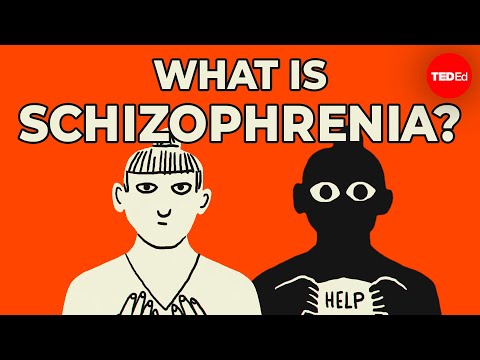
Okay, so let’s talk about the word “schizophrenia.” It’s seriously one of those terms that gets thrown around a lot, right? But do you ever stop to think about where it actually came from?
I mean, it’s like this label that carries a ton of weight. You know? People often jump to conclusions. They have all these ideas about what it means without really knowing the backstory.
So, picture this: a time when mental health wasn’t understood at all. Imagine the confusion and fear around it. That’s where our little journey into the origin of “schizophrenia” kicks off. Let’s dig into how this term shaped perceptions and lives over the years!
Exploring the History of Schizophrenia: Insights into Treatment, Understanding, and Stigma
Schizophrenia has a pretty long and complicated history, and it’s not just about the medical side; it’s also tangled up with how society views mental illness. The term itself? Well, it started to take shape in the early 20th century. Before that, people were more likely to use terms like “madness” or “split personality.”
In 1911, a Swiss psychiatrist named **Eugen Bleuler** coined the word «schizophrenia,» which comes from Greek roots meaning “split mind.” This was meant to capture the idea of how people with this condition often experience a disconnection between thoughts, emotions, and their sense of self. Bleuler believed that this split was not about multiple personalities but rather about an overwhelming conflict within the mind.
When you think about treatment back then, it was pretty rough. Most of what we know now didn’t exist. People were often stuck in asylums and treated more like prisoners than patients. Medications were limited at best, and treatments could involve everything from straight jackets to lobotomies — yikes! There wasn’t much understanding of the biological or psychological aspects of schizophrenia.
Jumping forward to the mid-20th century, things began to shift. The introduction of **antipsychotic medications** in the 1950s changed the landscape dramatically. These drugs helped many individuals manage their symptoms better than before. They weren’t perfect; side effects could be brutal sometimes. Still, they offered hope where there had been very little before.
But here’s where it gets tricky: despite advances in treatment options, stigma around schizophrenia has hung around like an unwanted guest at a party. Many people still associate schizophrenia with violent behavior or a lack of insight into reality, which simply isn’t true for most individuals living with this condition.
Social attitudes were shaped by media portrayals too — think horror movies showing lunatics on a rampage or sensationalist news stories narrowing down complex human experiences into catchy headlines. This kind of representation made understanding schizophrenia almost impossible for some folks out there.
Now let’s zoom out and look at some key points around its history:
- The term schizophrenia – Coined by Eugen Bleuler in 1911; means “split mind.”
- Treatment evolution – From brutal asylums to antipsychotic medications in the 1950s.
- Stigma sticks – Misconceptions often fueled by media representations.
- Social acceptance – Continues to improve but still faces challenges today.
Throughout all these changes, one thing is clear: understanding schizophrenia is a process. The more we learn and empathize with those affected by it, the better off society will be in breaking down barriers and offering real support instead of fear-based responses.
So yeah! Schizophrenia’s journey through history has been really rocky but filled with insights into how treatment has evolved—and how crucial understanding is if we want to combat stigma moving forward. It reminds us that behind every diagnosis are real people navigating their lives amidst challenges we might not even begin to imagine.
Exploring the History of Schizophrenia: A Comprehensive Timeline of Key Developments
Schizophrenia is one of those complex mental health conditions that’s been misunderstood for a long time. To really get where we’re at today, it helps to look back at how the term and our understanding of it have evolved over the years.
First, let’s rewind to the early 1800s. The word “schizophrenia” didn’t even exist yet! Back then, people were trying to make sense of mental illnesses without a lot of scientific knowledge. Instead, they often used terms like «madness» or «insanity» to describe anything that didn’t fit the norm.
Fast forward to 1887. A German psychiatrist named Eugen Bleuler introduced the term «schizophrenia.» He wanted to give a name to a condition he saw that wasn’t just the typical psychosis but included a range of symptoms. Bleuler thought this condition involved a split between thoughts and emotions—hence the name, which means “split mind.” But he also emphasized that people with schizophrenia weren’t “split personalities.” That’s a common misconception.
Now, let’s jump ahead again, past World War I. In the 20th century, researchers began diving deeper into schizophrenia. They started recognizing different types of symptoms: positive (like hallucinations) and negative (like lack of motivation). This shift was huge because it opened up new conversations about treatment options and helped people see it as more than just a severe form of madness.
Around the 1950s, medications began appearing on the scene. Antipsychotic drugs changed everything; suddenly there were ways to manage symptoms more effectively. This development created hope for many individuals struggling with schizophrenia and changed how society viewed mental health care overall.
However, by the late 20th century and into the early 21st century, things started getting complicated again. Research began focusing on genetics and environmental factors contributing to schizophrenia’s development. Some scientists are looking at brain structure differences—it’s like piecing together a difficult puzzle.
And then there’s stigma! Even with all this progress in understanding the condition itself, societal attitudes haven’t always kept pace. Misconceptions persist; many folks still think schizophrenia means someone is dangerous or violent when research shows that’s not usually true.
In recent years, there’s been more focus on recovery-oriented approaches in treatment. People aren’t just defined by their diagnosis anymore—they’re encouraged to pursue meaningful lives beyond their illness.
So where does that leave us? Today, we understand schizophrenia as a complex condition with various symptoms influenced by multiple factors—biological, psychological, environmental… you name it! The historical journey from ancient misunderstandings to our current knowledge has paved the way for better treatments and increased awareness about mental health.
In summary:
- Early History: Madness or insanity used as terms.
- Eugen Bleuler: Coined «schizophrenia» in 1887.
- 20th Century Advances: Differentiation between positive and negative symptoms.
- Medications: Introduction of antipsychotics in the 1950s.
- Recent Focus: Genetics and environmental factors studied.
- Sociocultural Attitudes: Stigma remains an issue despite advancements.
It’s quite fascinating when you look at how much we’ve learned over time—and there’s still so much more out there waiting for us!
Exploring the History of Schizophrenia: A Comprehensive PDF Guide
Schizophrenia, even just the term itself, has a pretty wild history. It was coined back in 1908 by a Swiss psychiatrist named Eugen Bleuler. The guy really changed how we think about this mental health condition. Before him, the term “dementia praecox” was used, which means early-onset dementia. But that didn’t quite capture what was going on with people who had this condition.
Bleuler introduced “schizophrenia” to reflect the splitting of mental processes. Think of it as a way to describe how some people experience a disconnect between their thoughts, feelings, and behaviors. It comes from two Greek words: “schizo,” which means split, and “phrenia,” meaning mind. So basically, it’s like saying “split mind.” But don’t get it twisted; it’s not about having multiple personalities or anything like that.
Now, here’s the thing: The understanding of schizophrenia has shifted over the years. Back in Bleuler’s time, they thought it was all about those classic symptoms like hallucinations and delusions. But as research progressed, we started seeing it as much more complex. Symptoms can include cognitive deficits, emotional flatness, and issues with motivation—stuff that isn’t just about hearing voices.
When you look back at history, treatment options were pretty rough. In the mid-20th century, things like lobotomies were in play—yikes! Patients would often find themselves locked away in institutions for long stretches with little more than medication to help them cope. And honestly? Many weren’t treated with kindness or understanding.
Fast forward to today: We’ve come a long way! The approach is now more holistic—including therapy and community support—which really makes a difference for many folks living with schizophrenia. And let’s not forget about the role of medications. These can help manage symptoms but don’t necessarily cure the condition.
Understanding where this term came from helps us grasp not only the condition itself but also how society sees mental health today. From mysterious treatment methods of the past to better awareness now—it’s been quite a journey!
So, next time you hear someone mention schizophrenia or read about its history, remember it’s more than just a label; it’s part of an ongoing story about understanding our minds better and being kinder to those who struggle with them.
So, let’s talk about schizophrenia for a minute. It’s one of those terms that can sound pretty intimidating, right? I mean, when you hear it, you might think of a whole lot of things — some scary stereotypes or maybe just confusion. But where does the term even come from?
The word «schizophrenia» actually comes from two Greek words: «schizo,» which means split, and «phren,» meaning mind. So basically, it refers to a “splitting” in the way someone thinks or experiences reality. It was coined by a Swiss psychiatrist named Eugen Bleuler in the early 1900s. He wanted to capture the complex nature of this condition that wasn’t just about having multiple personalities (which is a common misconception). Instead, he was pointing to how people might feel detached from their thoughts or emotions. Imagine that feeling when you’re zoning out during a boring lecture — but way more intense and frightening.
Bleuler’s idea came from observing how individuals with this condition often struggled to connect with reality, kind of like being on one side of a glass wall while the rest of the world moves past on the other side. It’s heartbreaking when you think about it because those experiencing it often feel isolated and different from everyone else.
Then there’s how society has reacted over time. The stigma surrounding schizophrenia can be pretty harsh, which is something I’ve seen firsthand in friends who’ve dealt with mental health issues. One friend told me once about how people would whisper when she walked by or even just avoid her altogether after her diagnosis. That isolation can be just as rough as the symptoms themselves.
So yeah, while “schizophrenia” has its roots in a term that sounds super clinical and distant, what really matters is understanding the human experience behind it. It’s not just about splitting; it’s about feeling lost in your own mind and navigating a world that doesn’t always make sense anymore.
We need to talk more openly about these experiences and reduce those stigmas that keep people feeling alone. After all, everyone deserves compassion — right?