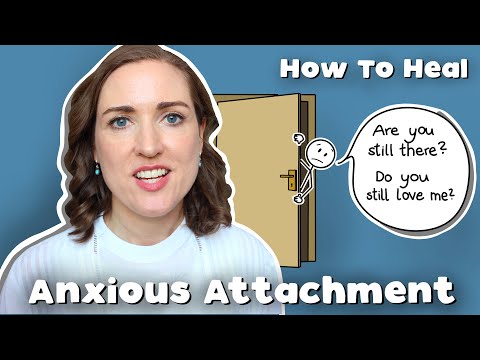
You know that feeling when your stomach drops just thinking about the possibility of losing someone? Yeah, that’s a pretty common vibe for folks with anxious attachment. It can be exhausting, right?
You’re constantly on edge, worrying about being abandoned or not being good enough. And honestly, all that overthinking? Super draining.
But here’s the thing: you don’t have to stay stuck in that cycle. Healing is totally possible. Let’s chat about it! We’ll explore how to work through those feelings and find a way to better mental wellbeing together. Sound good?
Transforming Your Relationships: A Guide to Healing Anxious Attachment Styles Through Self-Discovery
Yeah, so let’s chat about anxious attachment styles and how they affect your relationships. If you find yourself constantly needing reassurance or feeling worried about losing people in your life, you might be dealing with this. It’s like having a background hum of anxiety buzzing around every time you connect with someone.
Anxious attachment usually stems from early experiences, like feeling neglected or uncertain about affection as a kid. You know that feeling when you text someone and stare at your phone for hours, waiting for a reply? That’s the anxious brain at work. You’re not alone in this; it’s pretty common!
So, how can you start to heal those anxious patterns? Self-discovery is key here. Reflecting on your feelings, triggers, and past experiences can really change the game for you. Try keeping a journal where you just let your thoughts flow. It might feel silly at first, but it helps to see things written down.
- Acknowledge Your Triggers: Maybe certain behaviors from partners send you spiraling into worry. Start noticing when those moments happen–like if someone takes too long to respond to a message.
- Practice Self-Soothing: Find what calms you down when anxiety kicks in. It could be deep breathing or listening to some chill music. When you’re aware of how to comfort yourself, it takes the pressure off others to do it all the time.
- Communicate Openly: This might sound basic, but telling partners what you need is huge! Expressing your feelings honestly can really boost intimacy and trust.
- Set Healthy Boundaries: Knowing when to step back is super important too. It’s okay to take space if things feel overwhelming.
This process doesn’t happen overnight; it’s more like climbing a mountain than hopping on an elevator! One step at a time really does matter here.
I remember talking with a friend who struggled with this stuff for years. She used to freak out every time her partner would go out without her; she thought he’d just disappear forever! But through therapy and some self-exploration, she learned that it wasn’t about him leaving but more about her own fears popping up.
You can also tap into resources that focus on healing attachment styles—like books or support groups—just make sure they resonate with your journey. The goal? To build healthier relationships where both sides feel secure and loved.
Your path towards healing isn’t solo either! Supportive friends or even therapy can be game-changers when navigating these feelings together—having other people who understand makes all the difference.
The journey of transforming anxious attachment styles takes time and effort but think of how rewarding it feels when relationships start blooming instead of causing stress! So yeah, embrace the journey and keep moving forward!
Unlocking Secure Connections: A Comprehensive Guide to Healing Anxious Attachment (PDF Download)
Anxious attachment, right? It can feel like being on a roller coaster that never really stops. You find yourself constantly worrying about relationships, feeling clingy, or freaking out when someone doesn’t reply to your texts fast enough. Pretty exhausting, honestly!
So, what causes this anxious attachment style? A lot of it stems from our early experiences growing up. If you had caregivers who were inconsistent—sometimes loving and other times distant—you might’ve learned to crave attention while also feeling insecure about it. You know? It’s that back-and-forth vibe that messes with your head.
Now, let’s talk about healing this anxious attachment. Here are some important points to consider:
- Acknowledge Your Feelings: Recognizing and validating how you feel is the first step. It’s okay to feel anxious about relationships; it just means you’re human.
- Understand Triggers: Take some time to figure out what specific situations or behaviors trigger your anxiety. Maybe it’s when someone doesn’t text back right away or when they don’t include you in plans.
- Communicate Openly: When you’re able to express your feelings with the people in your life, it can make a huge difference. Tell them when you’re feeling insecure or anxious; it helps them understand where you’re coming from.
- Practice Self-Soothing Techniques: Find ways to calm yourself during those anxious moments. This could be deep breathing exercises, journaling your thoughts, or even going for a walk.
- Build Trust Gradually: Start with small steps to strengthen trust in your relationships. You might want to share something personal with someone and see how they respond—this can help build a sense of security over time.
- Seek Professional Help: Therapy can be a game changer! A therapist can guide you through understanding your attachment style and develop healthier relationship patterns.
Real-life example: Think about Jenna—she always felt uneasy whenever her boyfriend didn’t text her back instantly. The fear of him losing interest drove her nuts! But once she understood her triggers and started talking openly with him about her needs, things changed big time. Instead of panicking every time he was busy at work, she learned ways to soothe herself and trust his commitment.
It’s really all about rewiring those thought patterns and creating secure connections! Healing takes time—don’t rush yourself through this process. Remember that understanding where these feelings come from is half the battle won.
Also, staying connected with supportive friends helps tons! Surrounding yourself with people who understand what you’re going through can lend strength during tough moments.
In short, healing anxious attachment isn’t easy peasy but totally doable if you commit to working on it bit by bit. Keep at it; you’ve got this!
5 Effective Strategies to Heal Anxious Attachment Without Therapy
It’s totally normal to feel a bit anxious about relationships, especially if you’ve got what’s called an anxious attachment style. You know, the kind that makes you worry about being abandoned or not being good enough for others. Healing this attachment style can be a journey, but there are *some strategies you can try on your own* that might help. Here are five effective ones:
1. Self-Reflection
Take some time to think about your feelings and behaviors in relationships. Journaling can really help with this. Write down what triggers your anxiety—like maybe when someone doesn’t text you back right away or when plans change unexpectedly. By understanding your patterns, you can start recognizing when those feelings pop up and why.
2. Develop Mindfulness
Mindfulness is all about being in the present moment without judgment. You could try meditation, deep breathing exercises, or just paying attention to your thoughts and feelings as they come and go without reacting to them too strongly. This can help reduce anxiety over time because it trains your brain to focus on what’s happening now instead of worrying about what might happen later.
3. Build Your Support System
Find people who make you feel safe and supported—friends or family members who understand where you’re coming from. Open up to them about your feelings; it helps to get things off your chest! Plus, having a solid support system means you’re less likely to spiral into anxious thoughts when things get rough.
4. Set Healthy Boundaries
Sometimes, anxiety comes from feeling overwhelmed by other people’s needs or expectations. Learn to say no when you need space for yourself or if something doesn’t feel right. It’s okay to prioritize yourself; it’s not selfish! Establishing boundaries helps you feel more secure in your relationships.
5. Practice Self-Compassion
Be kind to yourself, okay? When you’re feeling anxious, instead of beating yourself up over it (which is so easy but unhelpful), try speaking to yourself as you would a friend—gently and supportively. Remind yourself it’s okay to have these feelings and that you’re working on them.
So yeah, healing an anxious attachment style isn’t a walk in the park; it takes time and effort. But by using these strategies regularly, you’ll probably start noticing some positive shifts in how you engage with the people around you—and ultimately within yourself too!
So, let’s chat a bit about anxious attachment. You know, it’s that feeling where you’re kinda always on edge, worrying about whether your loved ones are going to stick around? It creeps in when you’re constantly seeking reassurance and feeling super anxious when things seem off in relationships. It’s exhausting, really.
Think back to a time when you were waiting for a message from someone important. Like, the clock ticks slower than molasses, and every second you don’t hear from them feels like an hour. That’s the thing! Anxious attachment can turn everyday situations into mountain peaks of worry. I remember sitting by my phone once, heart racing because I hadn’t heard from a good friend after they said they’d call me back—like it was the end of the world. Turns out they just got distracted by life stuff, but in that moment? Pure adrenaline-fueled panic.
Healing from this, though? It’s totally possible and can really improve your mental wellbeing. So here’s the deal: it usually starts with self-awareness. When you notice those anxious thoughts bubbling up—like thinking someone doesn’t care just because they take a while to respond—you can challenge them. Ask yourself if there’s real evidence behind those fears.
And then there’s building trust in your relationships, which can feel tough but is super necessary. Maybe start sharing your feelings openly with loved ones. Seriously! A small conversation about what makes you anxious can do wonders; it helps create understanding and strengthens bonds.
Letting go of perfectionism is also crucial here; no relationship is flawless! So maybe you’ll mess up sometimes or misunderstand a situation—it happens to everyone. The key is learning how to bounce back without spiraling into that pit of anxiety again.
But hey, remember: this isn’t about changing who you are or denying your feelings; it’s more like learning to dance with them instead of getting stomped on all the time! Healing takes time—it’s not an overnight magic trick—but sticking with it will totally be worth it for both your heart and mind!