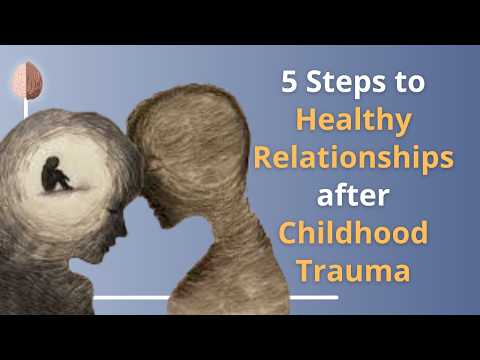
You know how sometimes you meet someone, and it just clicks? Like, you can totally be yourself around them. That’s what healthy attachment is all about.
But, not everyone gets that magical connection. Some of us grow up with a different vibe—maybe too clingy, or a bit distant. It can mess with your relationships later on, you feel me?
So let’s chat about this whole attachment thing. It’s super important for your mental health and happiness. By understanding how to foster those healthy bonds, we can totally improve our connections with others! Sounds good, right?
Boosting Mental Wellness: The Power of Healthy Relationships
Healthy relationships are like oxygen for your mental wellness. Seriously, the connections we have can deeply influence our emotional health and overall well-being. It’s not just about having friends or a partner; it’s the quality of those connections that matters. Having fulfilling relationships provides us with the support and love we need to navigate life’s ups and downs.
When you foster healthy attachments, what happens is you create a solid emotional foundation. This can lead to improved stress management and resilience. Think of it this way: when you feel supported by others, you’re less likely to feel isolated during tough times. Plus, it helps combat feelings of anxiety and depression.
So, what does a healthy relationship look like? Here are some key ingredients:
- Trust: Trust is essential. You should feel safe sharing your thoughts and feelings without fear of judgment.
- Communication: Open dialogue makes a world of difference. Being able to express your feelings honestly keeps misunderstandings at bay.
- Shared experiences: Spending time together strengthens your bond. Whether it’s sharing hobbies or just hanging out, these little moments matter.
- Respect: Mutual respect allows both people in the relationship to thrive as individuals while growing together.
- Support: True friends or partners cheer you on during good times and are there to lean on when things get rough.
Let me tell ya about my friend Sarah. She went through a rough patch after losing her job. At first, she felt utterly alone, but then she started reaching out more to her close friends—like really opening up about how she felt. You know what? That little move made all the difference! Her friends rallied around her with encouragement, advice, or even just simply listening. Sarah began to feel less anxious and more hopeful about her future.
Mental well-being doesn’t happen in a vacuum. The way you connect with others shapes how you cope with stressors in life. When relationships are nurturing and supportive, they contribute significantly to positive mental health outcomes.
Now let’s touch on attachment styles—these are patterns that develop based on our early interactions with caregivers which can also influence adult relationships:
- Secure attachment: When things go right! You’re comfortable with intimacy and interdependence without fearing rejection.
- Anxious attachment: You might find yourself needing constant reassurance from others because you fear abandonment.
- Avoidant attachment: Balancing closeness can be tough; you’re uncomfortable depending on others or letting them depend on you.
Understanding these styles can be enlightening! If you recognize where your relationships tend to fall short due to attachment issues—like constantly seeking validation or pulling away when things get serious—it might be time for some self-exploration.
Remember that investing in healthy relationships takes effort from both sides—you gotta give as much as you take! Establishing those emotional ties means being proactive about connecting, understanding one another’s needs, and continuously working toward better communication.
In short, **healthy relationships** not only boost our mental wellness but they also help us cultivate resilience against life’s challenges. They remind us we’re never truly alone in our struggles; there’s always someone cheering us on from the sidelines! So go ahead—foster those connections; they might just save your day—or even your sanity!
Supporting Your Partner: Effective Strategies for Navigating Attachment Issues in Relationships
So, you’re in a relationship, and things are feeling a little heavy because your partner’s got some attachment issues. It’s like walking a tightrope sometimes, right? But don’t sweat it; there are ways to support them while also keeping your own mental space intact.
Understanding Attachment Styles
First off, let’s talk about attachment styles. Basically, these are ways people connect with others based on their early experiences, like how they bonded with caregivers when they were kids. There are four main types: secure, anxious, avoidant, and disorganized. Knowing where your partner falls can help you navigate the relationship better.
If your partner is anxious—always worried about losing you—they might cling or seek constant reassurance. If they’re avoidant, they may push you away when things get too close or emotional. Understanding these patterns is like having a map for the journey you’re on together.
Be Open About Feelings
Communication is key! Seriously, it can’t be said enough. When discussing feelings or concerns with your partner, it helps to create an open space where neither of you feels judged. Share how their attachment behaviors make you feel without blaming them.
For instance, instead of saying “You always freak out when I go out with friends,” try something like “I feel distant when we don’t communicate about our plans.” This way, you’re both working toward understanding rather than pointing fingers.
Set Healthy Boundaries
Boundaries are super important for both partners’ well-being. They help maintain a balance between intimacy and independence. Maybe your partner needs more space sometimes; maybe you do too! Talk about what feels good for each of you.
Let’s say your partner has a habit of needing constant check-ins throughout the day due to anxiety—it might feel overwhelming for you after a while. So sit down together and discuss limits that make sense—not just one person’s rules but a compromise that works for both!
Practice Patience
Sometimes patience is the unsung hero in these situations. Attachment issues don’t resolve overnight; they take time and understanding from both sides. Celebrate small wins along the way! If your partner makes an effort to be more open or less clingy one day—acknowledge that!
A little cheerleading can go a long way in strengthening their confidence and encouraging positive changes.
Encourage Therapy
Look, therapy isn’t for everyone at first glance; some people see it as “a last resort.” But suggesting therapy can be really helpful if your partner struggles significantly with their attachment issues.
Maybe frame it as something positive: “Hey! How about we go see someone together? It could help us understand each other better.” Often having that neutral ground gives both partners room to explore feelings without fear of conflict.
Build Trust Gradually
Trust takes time to build—no shortcuts here! If trust was broken in past relationships (or even in childhood), your partner might need extra reassurance from you as they learn to lean on you more securely.
Do things like being consistent in how often you check in or showing up when promised without fail—it builds that trust brick by brick over time!
Be Mindful of Your Own Needs
While supporting your partner is crucial—you’ve got needs too! Don’t lose sight of what makes *you* feel safe and loved within the relationship. Whether it’s solo time with friends or diving into hobbies that fill your cup—make sure you’re also tending to yourself during this journey.
If elements become too heavy or exhausting, speak up—and ensure you’re heard!
To wrap it up—the thing is nurturing healthy attachments takes teamwork and willingness from both sides! With patience and love sprinkled in there along the way—you might just find yourselves creating a stronger bond than ever before!
Understanding the 3 S’s of Attachment: Key Concepts for Stronger Relationships
When we’re talking about attachment, there are these three big concepts to keep in mind: **safety**, **security**, and **soothed**. These 3 S’s really play a huge part in how we connect with others and can make or break our relationships. Let’s break them down a bit.
Safety is the first S. Basically, for people to feel comfortable in a relationship, they need to know they’re safe. This goes beyond just physical safety. It’s about emotional safety too. When you’re with someone who respects your feelings and opinions, you’re more likely to share your thoughts openly without fear of judgment or rejection. Like, remember that time your friend really listened when you were upset? It felt good, right? That’s safety in action.
Next up is security. This one’s all about trust and consistency. If you’re always second-guessing how someone will react or if they’re going to bail on plans last minute, it eats away at that feeling of security. You want to know that the people you care about will be there for you over time. Think of a solid friendship where both sides show up – it builds this unshakeable bond because you know they’ll be there when things get tough.
Now let’s talk about soothed, which might sound like a fancy term but it’s super important too! This one’s all about emotional support—having someone who helps calm you down when you’re stressed or anxious makes all the difference. Maybe you’ve been having a rough day, and then your partner sends a sweet text or gives you a warm hug when you get home. That’s soothing! It reminds us that we’re not alone in our struggles; we have someone who cares.
Putting these 3 S’s together creates this foundation for healthy relationships. When we feel safe, secure, and soothed by others, it fosters deeper connections and mental well-being.
In summary:
- Safety: Feeling comfortable sharing thoughts without fear.
- Security: Trust and consistency build strong bonds.
- Soothed: Emotional support helps navigate tough times.
So yeah, focusing on these aspects can really strengthen your relationships with friends, family or partners! You basically create an environment where everyone feels valued—it’s a win-win situation!
You know, attachment in relationships is like one of those super important things that can really impact our mental wellbeing. It’s wild how much the way we connect with others shapes how we feel about ourselves and the world around us.
I remember this one time when a friend of mine was going through a rough patch. She had just ended a serious relationship that left her feeling pretty lost. I could see how her sense of worth took a nosedive. It was like she felt unlovable, or maybe not good enough, just because that connection had ended. Her attachment style—avoidant, I think—made it tough for her to lean on friends when she really needed support.
What happens, you see, is that the type of attachments we form—secure, anxious, avoidant—can play a huge role in our mental health. Secure attachments make us feel safe and valued, while anxious or avoidant styles can leave us feeling unsure about ourselves and others. The thing is, if you grew up in a loving environment where your needs were met, you’re more likely to have secure attachments down the line. But if things were rocky or inconsistent? Well, that’s when the struggles can pop up.
Fostering healthy attachment isn’t only about romantic relationships; it stretches into friendships and family too. When we feel connected to others—truly connected—it seriously boosts our emotional wellbeing. It’s like having a safety net for when life throws curveballs your way.
Trying to be more aware of your relationships is important. Do you find yourself pushing people away? Or maybe you cling too tightly? You might want to take a beat and think about why that is. Talking things out with someone—a therapist or even just a close friend—can clear up so much confusion.
In my own life, I’ve noticed that when I nurture my connections—with regular check-ins or just being present—I feel way more grounded emotionally. It’s all about building trust and knowing that no matter what happens, you have people who’ve got your back.
So yeah, fostering healthy attachments takes some work but it’s definitely worth it for that boost in mental health!