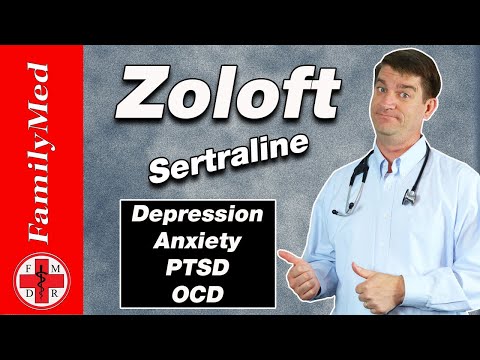
So, let’s chat about Zoloft for a sec. You know, that common antidepressant that a lot of people take?
Some folks swear by it for lifting the mood and easing anxiety. But here’s the kicker: it can also come with some surprises, like heart palpitations.
Yeah, I know—sounds a bit scary, right? You might be like, “Wait, what? My heart racing while I’m trying to chill?”
Totally get where you’re coming from! It’s important to peek behind the curtain and see how this all connects.
Let’s break it down together and figure out what these heart flutter things really mean for your mental health journey.
Understanding Heart Palpitations on Sertraline: Is It Normal?
Alright, let’s talk about heart palpitations and sertraline, also known as Zoloft. First off, palpitations are those moments when you feel your heart racing or pounding. It can be a little scary, right? And when you’re on medications like sertraline, you might start to wonder if that’s normal or something more serious.
Sertraline is an antidepressant that works by balancing chemicals in your brain, making it useful for depression, anxiety, and related issues. It’s part of a class of drugs called SSRIs (selective serotonin reuptake inhibitors). So basically what they do is boost serotonin levels in your brain. But sometimes that increase can trigger some side effects.
Now, about those palpitations. For some people on sertraline, experiencing heart palpitations can happen. It’s like your body is reacting to the change in serotonin levels or even just the medication itself. This could be due to several reasons:
- Anxiety: If you’re already dealing with anxiety or panic attacks, the medication might stir up those feelings initially.
- Dose changes: Starting sertraline or adjusting your dose can lead to temporary side effects like palpitations.
- Caffeine or other stimulants: Sometimes it’s not the medication at all but that extra coffee you had—or maybe that energy drink!
- Other medications: Mixing sertraline with other drugs can also result in this uncomfortable feeling.
The thing is, while heart palpitations can be common when starting any new antidepressant, it’s super important to keep an eye on them. If they’re just occasional and don’t come with other symptoms—like chest pain or shortness of breath—you might be okay. But if they get intense or frequent? Definitely time to chat with your doctor.
I remember a friend who started taking Zoloft after going through a tough patch. At first, she felt great—then out of nowhere came these racing heart moments that left her more anxious than before! After discussing it with her doctor, she learned it was pretty common early on and gradually faded. Patience was key there!
If you’re experiencing this sort of thing while on sertraline or any other med for mental health reasons, don’t hesitate to reach out and talk about it! Your doctor can help clarify if it’s something to worry about or just part of the adjustment process.
This may sound cliché, but everyone reacts differently to medications—what’s normal for one person may not be for another. Plus, listening to your body and communicating how you feel is really important in managing any mental health treatment effectively.
@Remember: Mental health care takes time and patience. You’ve got this!
Top Anxiety Medications for Managing Heart Palpitations: A Comprehensive Guide
Anxiety can be a major player when it comes to heart palpitations. Seriously, when you’re feeling anxious, your body goes into overdrive, and the heart starts racing. You might think you’re having a heart attack or something—it’s that intense! But often, it’s just your anxiety kicking in. So, let’s break down how some anxiety medications can help manage these symptoms.
Zoloft, a common medication for anxiety and depression, often comes up in conversations about managing heart palpitations. It’s part of a class of meds called SSRIs (selective serotonin reuptake inhibitors). They work by increasing serotonin levels in the brain, which helps regulate mood and can reduce anxiety overall.
Now, you might be wondering how Zoloft specifically relates to those pesky palpitations. Well, when anxiety is under control thanks to medication like Zoloft, it can lead to fewer instances of heart racing. That’s because if you’re not so anxious all the time, your body doesn’t need to be on high alert—it calms down.
However, it’s important to note that some people might experience increased palpitations when they first start taking Zoloft or any SSRI. It sounds counterintuitive, right? But for some folks, adjusting to the new medication can initially heighten those feelings of anxiety before things stabilize.
Let’s look at some other common meds used for treating anxiety that may indirectly help with palpitations:
- Buspirone: This is an anti-anxiety med that works differently from traditional antidepressants like Zoloft. It helps soothe anxiety without causing sedation.
- Beta-blockers: These are usually used for heart issues but can help with physical symptoms of anxiety too—like heart palpitations—by blocking adrenaline effects.
- Benzodiazepines: While they’re typically prescribed for short-term relief due to their potential for dependency, they can quickly reduce intense anxiety and its physical symptoms.
So picture this: You’ve been feeling really anxious before giving a big presentation at work. Your heart races as you’re standing there ready to speak. If you’ve taken something like Zoloft consistently over time and tweaked your therapy routine along the way—not just relying on meds—you might find your symptoms lessen significantly during those nerve-wracking moments.
Another thing worth mentioning is the importance of chatting with your doctor before starting or stopping any medication—especially if you’ve had issues with palpitations before. The goal is not just about tackling one symptom but working towards overall health without side effects getting in the way.
And remember: while medications are super helpful tools, combining them with therapy or coping strategies like mindfulness and deep breathing can make a world of difference too! So if you’re dealing with both anxiety and those annoying heart palpitations, know that there are paths forward—just take them one step at a time!
Effective Strategies to Manage Heart Palpitations Caused by Sertraline
Heart palpitations can be a real bummer, especially if you’re on a medication like sertraline (yep, that’s Zoloft—common in the mental health scene). It’s totally understandable to feel worried when your heart starts racing unexpectedly. So let’s break down some effective strategies to manage those pesky palpitations.
First off, it’s super important to know that while **sertraline** can sometimes cause heart palpitations, they’re usually not dangerous. Still, you don’t want them messing with your day-to-day life, right? Here are a few strategies you might find helpful:
- Deep Breathing Exercises: Seriously, take a moment to breathe deeply. Inhale for four counts, hold for four counts, then exhale for four. This can help calm your nervous system and ease the heart’s rhythm.
- Stay Hydrated: Dehydration can lead to heart palpitations. Make sure you drink enough water throughout the day. You follow me?
- Avoid Stimulants: Caffeine and nicotine can ramp up those heartbeats. If you notice more palpitations after coffee or energy drinks, consider cutting back on them.
- Mindfulness Meditation: Practicing mindfulness can help reduce anxiety and stress levels that might trigger palpitations. Just a few minutes each day could make a difference.
- Regular Exercise: Light exercise like walking or yoga can strengthen your heart over time and improve overall well-being. Plus, it releases endorphins that help lift mood—double win!
- Sufficient Sleep: Lack of sleep messes with your body in all sorts of ways. Make sure you’re getting enough rest each night.
- Talk to Your Doctor: If the palpitations are frequent or bothersome, have an honest chat with your healthcare provider about it. They might adjust your dosage or suggest alternatives if needed.
Let’s not forget emotional support! Sometimes talking about what you’re experiencing with friends or family helps lighten the load. A buddy once told me about how he felt his heart racing after starting medication; just sharing his story made him feel less alone.
Also remember: journaling about how you feel when these palpitations happen can give you insight into patterns—like maybe it’s tied to stress at work or something else going on in your life.
It’s all about finding what works best for you, so don’t hesitate to try different strategies until something clicks! The key is being proactive while keeping an open line of communication with those looking after your health.
So, let’s chat about Zoloft for a sec. You know, it’s one of those go-to medications for folks dealing with anxiety and depression. But here’s the thing: while it can be super helpful for mental health, some people experience side effects—like heart palpitations. Sounds a bit scary, right?
I remember when my friend Sarah started taking Zoloft. She was struggling with anxiety and finally decided to give meds a shot after therapy alone just wasn’t cutting it. At first, things seemed great; her mood lifted and life felt a little lighter. But then she started noticing these weird fluttering sensations in her chest. It freaked her out! Like, one minute she was feeling more like herself, and the next she was worried about her heart.
Heart palpitations can feel like your heart is racing or skipping beats—kind of unsettling! For Sarah, they made her anxious all over again. It’s funny how that works; a medication meant to help with anxiety can sometimes bring on new anxieties of its own. Just imagine—you’re getting better mentally but suddenly feel physically off.
What’s going on here? Well, medications like Zoloft affect serotonin levels in the brain, which is linked to mood regulation. But there’s also this really fascinating connection between our minds and bodies; stress and anxiety can manifest physically in various ways—including with your heart! So sometimes it feels like you’re being tossed around in this emotional roller coaster.
If you start feeling palpitations while on Zoloft or any medication, it’s super important to reach out to your doctor or therapist. They can help sort through what might be happening and decide if the meds are still the best fit for you. In some cases, adjusting the dose or switching medications might do the trick.
The good news? Heart palpitations often fade as your body gets used to the medication over time—if they don’t become a major issue that needs attention. And hey—combining medication with therapy could provide even more relief for both your mind and body.
Just remember: every person’s experience is unique! What works wonders for one person might not work at all for another. It’s all about finding what fits you best while keeping an open line of communication with your healthcare team—and maybe learning to ride those waves of emotions along the way!