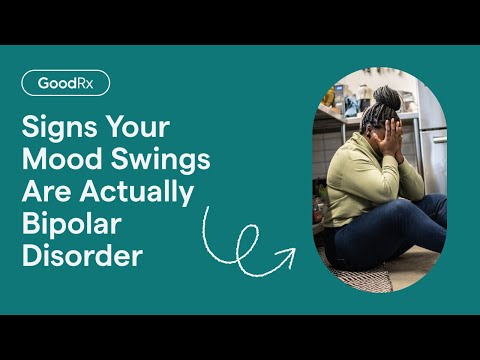
You know those days when everything feels like a rollercoaster? One minute you’re on top of the world, and the next, you’re down in the dumps. Seriously, it can be exhausting.
Heavy mood swings can mess with your head. They’re confusing and sometimes feel totally unfair. Like, why do you feel so great one moment and then just… not?
A lot of people deal with this, even if they don’t talk about it much. It’s like this silent struggle that can sneak up on you out of nowhere.
But hey, you’re not alone in this. Understanding what’s going on can make a big difference. So let’s chat about navigating those tricky mood swings together. Sound good?
Effective Strategies for Managing Extreme Mood Swings and Enhancing Emotional Well-Being
Managing extreme mood swings can feel like being on a rollercoaster that never stops. One moment you’re on top of the world, and the next, everything feels hopeless. It’s tough, but there are ways to navigate through these ups and downs. Here’s a look at some effective strategies that can really help.
Recognize Your Triggers
First things first, you gotta know what sets off those mood swings. Is it stress? Lack of sleep? Certain situations or people? Keeping a mood journal can be super useful here. Just jot down how you feel and what happened before it changed. Over time, patterns will emerge that can help you pinpoint your personal triggers.
Practice Mindfulness and Relaxation Techniques
Mindfulness isn’t just a buzzword; it’s a real game-changer. Techniques like meditation or deep breathing exercises can ground you when emotions start to spiral. Even just taking five minutes to breathe deeply can make a huge difference in reducing stress and anxiety.
Stay Active
Physical activity is like magic for your mood. Whether it’s running, yoga, or just dancing in your living room—moving your body releases endorphins, which are basically happiness hormones! Find something you enjoy so it doesn’t feel like a chore.
Establish a Routine
Having some structure in your day can really help balance out those wild swings. Try to stick to regular sleep schedules, meals, and self-care activities. Routines create stability which is crucial when everything feels chaotic.
Communicate with Loved Ones
Don’t bottle things up! Talk to friends or family about how you’re feeling. Sometimes just sharing what you’re going through can lighten the load. They might also have insights or support that helps you see things from a different angle.
Seek Professional Help
Let’s keep it real: sometimes handling this alone is just too much. Don’t hesitate to reach out for professional guidance if you need it! A therapist can help with coping strategies tailored specifically for you, and they’re trained to guide you through emotional challenges in healthy ways.
Avoid Substance Abuse
It may seem tempting to use alcohol or drugs as an escape during tough times, but they usually just complicate things further—trust me on this one! If you’re struggling with substance use as a way to cope, consider seeking support for that too.
Cultivate Gratitude
It sounds simple but focusing on the good stuff in life—no matter how small—can really shift your perspective during hard times. Try writing down three things each day that you’re grateful for; this practice helps create positive thinking habits over time.
The thing is—and I can’t stress this enough—managing extreme mood swings takes time and patience. It’s like learning any new skill; some days will be better than others, but consistency will get you there eventually. You got this!
Understanding BPD: Do Mood Swings Really Last Only Minutes?
Borderline Personality Disorder (BPD) can feel like a rollercoaster, huh? One minute, you’re on top of the world, and the next, you’re down in a pit of despair. It’s tough to manage these rapid changes in mood. Now, when we talk about mood swings in BPD, there’s this common belief that they only last a few minutes. But here’s where it gets complicated.
First off, mood swings in BPD can indeed happen quite quickly. You might experience intense feelings that pop up suddenly. It’s not unusual for someone with BPD to feel angry one moment and then overwhelmed by sadness just a short while later. Still, saying they only last for minutes kinda oversimplifies it.
Sometimes those feelings can stick around longer than just a few minutes—even hours or days. Let’s say you have an argument with a friend; you might feel enraged initially, but then that anger transforms into fear of abandonment or worthlessness over time. You follow me? It creates this cycle that feels never-ending.
Here are some things to think about:
The thing is, living with BPD means your emotional landscape is more like shifting sands than solid ground. Sometimes it feels like these mood swings dance around unpredictably.
A friend of mine has shared her experience living with BPD—it was interesting because she explained how she’d sometimes go from ecstatic happiness to deep sorrow in what felt like seconds! But other times, she would carry that sadness for days until something else triggered another shift. That kind of unpredictability adds layers of complexity to daily life.
So yeah, while short-lived mood swings can happen with BPD—and are often talked about—it’s crucial to recognize that **they aren’t always brief**. Understanding this can really help in navigating those challenges better and finding ways to cope effectively as well as communicate your needs to those around you.
Living with BPD doesn’t have to mean being at the mercy of your emotions all the time; working through therapy or learning new skills can make a world of difference over time!
Understanding Mood Swings: Causes, Symptoms, and Effective Coping Strategies
Mood swings can feel like a rollercoaster ride, can’t they? One moment you might be on top of the world, and the next you’re in a pit of despair. It’s not just annoying; it can really mess with your day-to-day life. So what’s going on here?
Let’s break it down. First off, **mood swings** refer to quick and intense changes in your emotional state. They’re often unpredictable. You might feel super happy one minute and then suddenly angry or sad the next. Sounds relatable, right?
Now, when it comes to **causes**, there are several factors at play. Here are a few common ones:
- Biological Factors: Changes in brain chemistry or hormonal fluctuations can lead to mood swings. For instance, women often experience them due to menstrual cycles.
- Stress: Ever noticed how stress makes everything feel more intense? Life challenges like work pressure or relationship issues can trigger those swings.
- Mental Health Disorders: Conditions like bipolar disorder or depression are known to cause heavy mood shifts.
- Substance Use: Alcohol and drugs can alter your mood significantly, sometimes even leading to drastic swings between highs and lows.
Symptoms can vary widely from person to person, but some typical ones include irritability, changes in sleep patterns, difficulty concentrating, or even physical symptoms like fatigue. You know those times when you snap at someone for no reason? That’s a classic example of mood swings affecting your behavior.
So how do we cope with this unpredictable emotional rollercoaster? There are definitely some strategies that can help you ride out those waves with more grace! Check these out:
- Acknowledge Your Feelings: It’s okay to feel what you’re feeling. Recognizing those emotions is the first step toward managing them.
- Keep a Mood Journal: Writing down your moods and triggers can help you identify patterns over time. Plus, it could be pretty eye-opening!
- Practice Mindfulness: Techniques like meditation or deep breathing exercises can help ground you during sudden emotional shifts.
- Seek Support: Don’t hesitate to lean on friends or family members who understand what you’re going through. Sometimes just talking about it helps!
I remember a friend telling me about her experience with mood swings related to her job stress. One moment she was powering through deadlines with enthusiasm; the next she felt completely drained and irritable at everyone around her. She started journaling her feelings every night and realized that certain projects triggered those rough days—just being aware of this helped her manage her responses better.
In a nutshell, while mood swings can disrupt our lives, understanding their causes—like biological factors or stress—and recognizing their symptoms helps us deal with them better. And by implementing some effective coping strategies—you know, like journaling and mindfulness—you’ll find ways to navigate these emotional ups and downs more smoothly.
So if you’re feeling tossed around by your moods today, just know you’re not alone! There are ways out there that might help you find stability again.
Mood swings can feel like riding a roller coaster, and let me tell you, it’s not always a fun ride. One minute you’re on top of the world, feeling like you could conquer anything. And the next? You’re down in the dumps, questioning everything and feeling lost. It’s frustrating as hell! I mean, I’ve been there. Picture this: one day I was furiously passionate about a new project at work, and just two days later, I couldn’t even get out of bed. Talk about a whiplash effect!
So what gives? Well, heavy mood swings can be tied to various mental health conditions like bipolar disorder or depression, but honestly, they can pop up for lots of reasons—not everything has to fit neatly into a box. Stressful life events, hormonal changes or even just plain ol’ fatigue can crank up that emotional dial.
Navigating these ups and downs isn’t easy. You might find yourself isolating or feeling misunderstood by friends and family who just don’t get why you’re acting one way today and another way tomorrow. That disconnect can sting. You might have those moments where you want to scream at the world or cry into your pillow because no one seems to understand your struggle.
What’s important is finding ways to cope with those swings when they hit hard. Some folks find that talking it out with a therapist helps bring clarity, while others might lean on journaling their feelings or engaging in mindfulness practices—kind of like pressing pause on chaos for just a second.
And hey, medication can also be part of the picture for some people—although everyone’s journey is unique here; no one-size-fits-all solution exists! The key is figuring out what helps you stay grounded during those wild shifts.
So if you’re dealing with heavy mood swings right now, know you’re not alone in this ride. It’s all about finding your balance amidst the chaos; give yourself some grace while figuring things out! It might take time, patience, and some trial and error—but hang in there; brighter days are ahead!