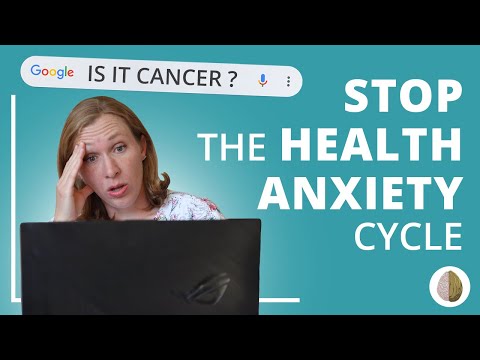
Hey there! So, let’s talk about something super relatable: health anxiety. You know, that nagging worry when you feel a little off? It’s like your mind just goes into overdrive, right?
I mean, one minute you’re sneezing, and the next you’re convinced it’s something serious. Seriously, that feeling can be overwhelming!
But here’s the thing—there are ways to manage it. Trust me. I’ve had my moments of spiraling, and it can feel pretty isolating. But with the right mindset and some comfy strategies, you can tackle those anxious thoughts like a champ.
So if you’ve ever found yourself Googling symptoms at 2 AM (guilty!), keep reading. There’s hope and some simple things you can do to chill out a bit!
Understanding Psychological Treatments for Health Anxiety: Effective Strategies and Approaches
So, health anxiety, huh? It’s that nagging feeling where you’re constantly worried about your health, like thinking every little ache or pain is something serious. You might even find yourself Googling symptoms way too often—or avoiding the doctor altogether because you’re scared of what they might say. Managing this can be tough, but there are some psychological treatments that can really help you out!
Cognitive Behavioral Therapy (CBT) is one of the most common approaches. Basically, it’s all about changing the way you think and act. So instead of assuming that a headache means a brain tumor, CBT helps you challenge those thoughts. You learn to replace them with more realistic ones. This isn’t easy at first; it takes practice. But it can really shift your mindset over time.
Another effective method is Exposure Therapy. This involves gradually facing your fears in a controlled environment. For someone with health anxiety, this could mean slowly researching your fears or visiting a doctor when you feel anxious. Think of it as gradually building up your tolerance to what scares you! By the end of it, those fears can lose their power.
Then there’s Mindfulness and Relaxation Techniques. Ever tried meditation? It’s like hitting pause on all the racing thoughts. Mindfulness teaches you to focus on the present moment rather than worrying about what could happen in the future—like stressing over a potential diagnosis when you’re just fine. Breathing exercises can also help calm that internal storm when anxiety hits hard.
Don’t forget about Support Groups and Peer Support. Connecting with others who understand how you’re feeling can be incredibly comforting. You get to share experiences and coping strategies in a safe space where everyone gets it—no judgment here!
Lastly, therapy often involves education about health conditions and our body signals. Many times, we misinterpret normal sensations as something more severe because we’re so tuned into our worries. When therapists break things down for us and help us understand this stuff better, it’s kind of freeing.
In wrapping this up—considering that managing health anxiety isn’t one-size-fits-all—it’s worth exploring these psychological strategies and seeing what resonates with you personally! Each person’s journey is different; finding what works for you could make a world of difference in how you handle those anxiety spikes over time!
The Best Therapies for Health Anxiety: Effective Strategies for Finding Relief
Health anxiety can feel like an endless loop of worry. You know, when every little ache or pain sends you spiraling into thoughts of something serious? It’s tough because it really messes with your daily life. But there are definitely some psychological strategies that can help you manage that anxiety and find relief.
Cognitive-Behavioral Therapy (CBT) is one of the most effective approaches for health anxiety. It focuses on identifying and changing negative thought patterns. For instance, let’s say you feel a twinge in your side and immediately think, “Oh no, what if it’s something terrible?” CBT helps you challenge that thought by asking questions like, “What evidence do I have for this worry?” or “What’s the worst that could actually happen?”
Another great strategy is exposure therapy. This one involves gradually facing your fears in a safe way. If you’re always checking your body for signs of illness, exposure therapy might involve setting limits on how often you check in. It’s kind of like training your brain to get comfortable with uncertainty.
Mindfulness practices, like meditation or yoga, can also be super beneficial. These techniques help ground you in the present moment. Instead of getting lost in thoughts about what might happen down the road, mindfulness encourages you to focus on what is happening right now. For example, when those anxious thoughts pop up, simply noticing them without judgment can help reduce their power over you.
And let’s not forget about support groups. Sharing your experiences and hearing from others who get it can be really comforting. Imagine sitting in a circle with people who understand exactly what you’re feeling—it doesn’t take long to realize you’re not alone in this struggle.
Sometimes medication might also play a role—like specific antidepressants—to help ease those overwhelming feelings. But that’s usually considered alongside therapy rather than a standalone solution.
So look, health anxiety can be a heavy burden to carry around day-to-day. But remember: there are **effective strategies** out there to help lighten that load! You don’t have to do this alone—getting some support and exploring different therapies could really change things for the better!
Overcoming Health Anxiety: My Personal Journey to Recovery and Peace of Mind
So, let’s talk about health anxiety. You know, that constant worry about whether you’re sick or if something’s wrong with your body? Yeah, it can be a real rollercoaster ride. I remember when I was in the thick of it—every little ache and pain felt like a ticking time bomb. Seriously, I once convinced myself that a simple headache meant I had a brain tumor! Spoiler alert: I didn’t.
Health anxiety often comes from the fear of uncertainty. Your brain starts connecting dots that really don’t exist. Like, if you feel tired one day or have a weird twinge, your mind might jump straight to “I’m terminally ill!” But this cycle isn’t just annoying; it can seriously mess with your peace of mind.
Psychological strategies are super helpful in managing health anxiety. Here are some things that helped me:
- Cognitive Behavioral Therapy (CBT): This approach is all about changing negative thought patterns. A therapist might help you challenge those scary thoughts by asking questions like, “Is there actual evidence to support this fear?” It’s eye-opening, trust me.
- Mindfulness and Relaxation Techniques: Practicing mindfulness helps anchor you in the present moment instead of spiraling into what-ifs. Techniques like deep breathing or guided meditation can really take the edge off those anxious feelings.
- Limiting Information Intake: It’s tempting to Google every symptom you have (cue the rabbit hole), but too much information can make things worse. Setting boundaries on how much medical content you consume is key.
- Creating a Routine: Establishing a daily routine can provide structure and predictability in your life. This sense of control can reduce anxiety levels significantly.
- Talking to Someone: Sharing your worries with friends or family can be such a relief. Sometimes just saying things out loud helps put them into perspective.
You know what else? Journaling was huge for me too! Just jotting down my thoughts and feelings helped get all that craziness out of my head and onto paper. It sometimes felt like my own little therapy session.
As I started incorporating these strategies into my life, something amazing happened—the panic started to fade away. Sure, there were still moments when I’d freak out over a new symptom (because old habits die hard), but instead of diving deep into despair, I’d pause and reflect on those tools I’d learned.
Overcoming health anxiety isn’t an overnight fix; it takes patience and practice. But slowly finding peace wasn’t just about stopping the spiral; it was also about embracing life more fully—finding joy in situations without worrying about every little thing.
In the end, remember this: You’re not alone. Many people wrestle with health anxiety—it doesn’t define you! Learning to manage it is completely doable if you’re willing to put in some work—and trust me, it’ll be worth it for your sanity!
Health anxiety can feel like a heavy blanket, suffocating and, at times, totally paralyzing. You know that nagging worry about your health? It creeps in like a shadow, always there to remind you of every ache and pain. I mean, who hasn’t experienced that moment of panic when a cough feels more sinister than just a tickle in the throat?
Let me share something personal. A while back, I had this constant headache. Seriously, it was like my brain was hosting a never-ending party. I started imagining the worst—brain tumors and all sorts of terrifying possibilities. But then I realized I needed to take a step back. What if I changed how I thought about it?
So here’s the deal: managing health anxiety often starts with recognizing those spiraling thoughts. Cognitive Behavioral Therapy (CBT) is one solid approach that helps you challenge those negative beliefs. Like, if you think a headache equals something catastrophic, you learn to flip that script—maybe it’s just dehydration or lack of sleep.
Mindfulness can also be your best friend here. Instead of letting your mind run wild with “What ifs,” try focusing on the here and now. Breathe in deeply and appreciate that moment where everything seems okay—because often it is!
And let’s not forget about talking it out—whether it’s with friends or a therapist. Sometimes verbalizing those worries helps lighten the load. It’s kind of like airing out a stuffy room; things feel fresher afterward.
But hey, managing health anxiety doesn’t mean pretending everything’s fine when it isn’t. If something genuinely feels off, trust your gut! Seek medical advice because knowledge is power.
In the end, just remember: you’re not alone in this struggle; many folks are right there with you navigating those choppy waters of worry about their health. Take it one day at a time; find what works for you; and don’t hesitate to lean on others for support along the way!