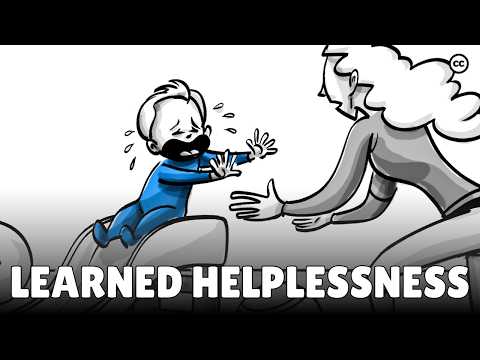
You know that feeling when everything just seems too much? Like, no matter what you do, it feels like you’re running up a down escalator? Yeah, that’s kind of what helplessness is all about.
It sneaks in quietly, right? One minute you’re hanging in there, and the next, it’s like you’ve lost control. That sense of being stuck can hit hard and leave you feeling totally drained.
So, let’s chat about what helplessness really means in our heads. It’s not just some fancy term therapists throw around. It has real weight in our lives. You follow me?
We’ll dig into how this plays out in different situations and why it matters. Trust me, it’s more relatable than you might think!
Understanding Helplessness in Psychology: Causes, Effects, and Coping Strategies
Helplessness is a concept that can seriously mess with your head. In psychology, it’s often linked to feeling like you have no control over your situation. You might have heard of the term «learned helplessness,» which comes from some classic experiments with dogs. Basically, when these poor pups were shocked and learned they couldn’t escape, they just gave up trying even when the chance to escape was there later on. That’s pretty heartbreaking, right?
Causes of helplessness can be varied and complex. Here are some of the common culprits:
- Repeated failures: When you keep facing setbacks, it starts to feel like you’re just stuck in a loop.
- Toxic environments: Being in situations where you’re constantly criticized or belittled can drain your motivation.
- Lack of support: If you don’t have people cheering you on or believe in you, it can feel pretty hopeless.
The effects of feeling helpless can be wide-ranging. You might experience:
- Anxiety and depression: These feelings often go hand in hand with a sense of helplessness. It’s like a vicious cycle.
- Apathy: Ever feel so unmotivated that getting out of bed seems like climbing a mountain? That’s what I mean!
- Social withdrawal: You might start isolating yourself because it feels easier than facing others.
Coping strategies are essential to break free from that heavy feeling of helplessness. Here are some ideas that could help:
- Seek support: Talk to friends or family who uplift you—seriously, just hearing a friendly voice helps!
- Create small goals: Start with tiny steps forward. Achieving even little things can build your confidence back up.
- Cognitive Behavioral Therapy (CBT): This type of therapy works wonders by changing negative thought patterns into more positive ones.
It’s real easy to get stuck in this mindset, but recognizing it is the first step toward change. Many people find relief when they see it’s not permanent; it’s something they can work on, little by little.
So if you’ve ever felt trapped by life’s curveballs or thought nothing would change for the better—just know you’re not alone. It’s okay to reach out and look for light at the end of that tunnel!
Uncovering the Root Causes of Helplessness: Understanding Your Mind and Emotions
Feeling helpless can be one of the toughest emotions to deal with. You might feel like you’re stuck in quicksand, right? The more you struggle, the deeper you sink. Let’s unpack this feeling a bit and see what’s really going on behind the scenes.
First off, **learned helplessness** is a big concept in psychology. It’s when you’ve been in situations where you felt powerless too often. Over time, your brain kind of starts to accept that there’s no point in trying to change things because efforts seem pointless. You know, it’s like when you’ve tried to fix a leaky faucet so many times and it just keeps dripping no matter what you do. Eventually, you might just throw your hands up and say “whatever,” resigning yourself to it.
Now, this doesn’t just pop up out of nowhere. There are some key factors that lead to this feeling of powerlessness:
- Past Experiences: If you’ve faced failure or trauma repeatedly, it can make you feel like you’re always going to fail.
- Self-Perception: How you see yourself plays a huge role. If deep down, you think you’re not good enough or smart enough, that thought can keep creeping into your decisions.
- Support Systems: Having a strong support network helps when times get tough. But if you’re isolated or don’t feel backed by others, it makes fighting those feelings harder.
- Coping Skills: Sometimes people just don’t have the right tools in their emotional toolbox. If you haven’t learned how to handle stress effectively, it can leave you feeling overwhelmed.
You might think about someone who lost their job unexpectedly and had trouble finding another one. Maybe they applied everywhere but kept getting rejected. Over time, they could start thinking they’ll never find another job again—this is where learned helplessness kicks in big time.
Another aspect is **cognitive distortions**—those sneaky little thoughts that twist reality a bit too much! You know, like blowing things out of proportion? If everything feels like doom and gloom all the time because your brain is playing tricks on you, that’s not doing any favors for your sense of control.
It’s also important to recognize **emotional regulation** here. When we’re feeling intense emotions like anger or sadness, it can be tough to know how to respond appropriately without feeling helpless about our situation. For example, if someone feels overwhelmed by schoolwork and doesn’t handle that stress well—maybe they lash out at friends or withdraw—that can create a cycle of feelings that only deepens their sense of helplessness.
But let me tell ya: recognizing these patterns is the first step toward shaking off those heavy feelings! Once you’re aware of what’s happening inside your head—those past experiences shaping your thoughts—you can start working on it.
You may want to explore different therapy options too! Cognitive-behavioral therapy (CBT) helps folks challenge those distorted thoughts and replace them with more realistic ones. It’s super effective for moving past learned helplessness!
In short: the roots of feeling helpless lie deep within our experiences and perceptions about ourselves and the world around us. This stuff isn’t easy; it takes time and effort to dig deep into these feelings and really understand them—but hey, knowing more about why we feel what we feel is half the battle won!
The Pioneer of Learned Helplessness: Discovering the Psychologist Behind the Concept
The idea of learned helplessness comes from the work of a psychologist named Martin Seligman. Back in the 1960s, he did some really interesting experiments with dogs. Basically, he found that when dogs were subjected to situations where they could not escape pain, they eventually stopped trying to escape at all. They just sat there and took it, even when an escape route was offered later on.
This led to the understanding that too many hardships can make you feel powerless. You start thinking nothing you do matters. It’s like standing in front of a closed door and believing it’s locked, even when someone is standing there ready to open it for you. This feeling can translate into all sorts of emotional issues, like depression and anxiety.
Seligman suggested that this learned behavior isn’t just limited to animals; it applies to humans too. Imagine a student who fails a few tests and begins to think they’re simply bad at math—so they stop studying altogether. They’ve learned helplessness without even realizing it!
Another important part of this concept is how it relates to emotion regulation. When people feel helpless, their emotions can get pretty messy. They might feel sad or angry but don’t know how to express those feelings properly or take action to change their situation.
Now, here’s the cool part: Seligman’s work has influenced how we approach mental health today. Instead of just focusing on what’s wrong with people or fixing problems, there’s more emphasis on teaching resilience and promoting positive psychology. It’s about helping folks understand that they can take control back and change their mindset.
To sum up what I’m saying: learned helplessness is all about understanding how past experiences shape our ability (or inability) to face current challenges. And knowing this can help point us toward ways we might break free from those patterns that hold us back.
So yeah, if you ever feel stuck in life—like you’re in one of those «helpless» situations—remember Seligman’s groundbreaking work! Recognizing these feelings is the first step toward reclaiming your power and moving forward again.
Feeling helpless can be a heavy weight to carry. It sneaks up on you during those moments when everything feels out of your control—like when your job situation hangs by a thread or a loved one is going through something tough. I remember a friend of mine who went through a rough patch; no matter how hard she tried to make things better, it felt like the universe was just tossing her around. She would often say she felt trapped, like she was stuck in quicksand, and the more she struggled, the deeper she sank.
This sense of helplessness ties deeply into psychology. It’s not just about feeling sad or anxious; it can really shape how you see yourself and the world. You might start to think that no matter what you do, nothing will change—it’s like a heavy fog that clouds your judgment and makes decision-making feel impossible. This feeling is often linked to what psychologists call «learned helplessness,» where individuals believe they have no power over their situations because they’ve experienced failure too many times.
It’s interesting how resilience plays into this, though. Some people find ways to break free from that cycle—they tap into support systems or even just shift their perspective about what’s happening around them. But others? Well, they might get stuck in that mindset longer than they’d like.
Taking baby steps can help—just finding small ways to reclaim some control in your life can be really powerful. Like for my friend: she started volunteering at a local shelter, which not only gave her purpose but also shifted her focus from her own struggles to helping others. That’s kind of the magic formula; finding something you can influence even when everything else feels chaotic.
So yeah, understanding helplessness in ourselves or others is crucial; it’s part of being human. The road back is often rocky, but recognizing those feelings is so important for making any kind of progress. And if we can find even the smallest glimmers of hope or control? Well, that’s where real change begins.