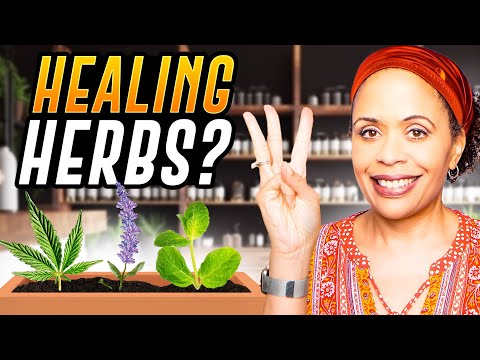
You know that feeling when life gets a bit heavy? Yeah, I’ve been there too. Sometimes, it feels like a dark cloud just won’t budge.
So, like, what if there was another way to help lift that weight? You might’ve heard about herbal alternatives floating around. They’re these natural options people use for managing depression and anxiety.
I mean, it’s not all about pills and therapy—though those are great tools! Some folks find comfort in plants and herbs that can really give them a boost. Kind of amazing, right?
Let’s talk about some of these herbal buddies. Who knows? You might just find your new best friend in the plant kingdom!
Discover the Best Natural Herb to Alleviate Anxiety and Depression
You know, anxiety and depression are something many people face. Sometimes, folks want to explore natural options for relief. One of those options is herbs. Let’s chat a bit about some herbs that have been noted for their potential benefits in alleviating these feelings.
St. John’s Wort is probably the most well-known herb when it comes to tackling mild to moderate depression. People have been using this plant for ages! It’s thought to work by influencing certain brain chemicals related to mood. Some studies kind of suggest it can be as effective as traditional antidepressants, but make sure you chat with a doctor before diving in since it can interact with lots of medications.
Then there’s Chamomile. It’s not just a soothing tea for bedtime; research has shown it might help reduce symptoms of generalized anxiety disorder. Imagine sipping on a warm cup and feeling your worries fade away. The calming properties come from its ability to bind with certain receptors in your brain that help regulate anxiety.
Next up is Lavender. Seriously, have you ever taken a whiff of lavender oil? It’s like getting wrapped in a cozy blanket! Studies suggest that lavender may reduce anxiety levels and improve sleep quality when used in aromatherapy or as an herbal supplement.
Also worth mentioning is Passionflower. This one has been used traditionally for anxiety and insomnia. Some people find it helps them feel calmer without making them drowsy, which is a win-win if you ask me.
Another contender is Rhodiola Rosea, often called golden root. It’s thought to help combat fatigue and boost mood especially during stressful times by helping your body manage stress better.
But remember, everyone’s different! What works wonders for one person might not do anything at all for someone else. And while these herbs might offer some relief, they aren’t magic bullets.
It’s also super important to think about the context of using these herbs: Are you drinking plenty of water? Eating balanced meals? Getting good sleep? These lifestyle factors play an enormous role in your mental health too!
And hey, don’t skip out on reaching out for professional help if you need it. Talking things through with someone who understands—like a therapist—can really make a difference alongside any natural approaches you want to try out.
In summary, if you’re considering herbal remedies like St. John’s Wort or Chamomile for managing anxiety or depression, do your homework first! Speak with your doctor so you can make informed decisions that suit your unique needs and health situation.
So yeah, take care of yourself and stay curious!
Exploring Herbal Remedies for Depression: Nature’s Approach to Mental Health
Exploring herbal remedies for depression is becoming a topic people are really curious about. Nature has been a source of healing for centuries, and many folks are looking at plants as potential allies in managing depression and anxiety. So, let’s take a closer look at some popular options and how they might help.
St. John’s Wort is one of the most well-known herbs for treating mild to moderate depression. People often use it in tea, capsules, or tinctures. But here’s the thing: it can interact with medications like antidepressants. So, if you’re on something else, definitely talk to your doctor first.
Then there’s Chamomile. You might know it from those relaxing teas you sip before bed, right? Well, it’s not just for sleep! Chamomile has some evidence suggesting it can help reduce anxiety symptoms too. Just imagine curling up with a warm cup after a long day—calming vibes all around.
Another interesting herb is Rhodiola Rosea, often called «golden root.» It’s thought to help your body adapt to stress and may improve mood during tough times. Some people swear by it for boosting energy levels when they’re feeling down. Just keep in mind that results can be pretty individual.
Now onto Saffron. Yep, the fancy spice! Research suggests saffron may have positive effects on mood disorders. A little pinch can do more than just flavor the food; it might help lift your spirits too!
Of course, while these herbal remedies might provide benefits, they aren’t magic pills—and shouldn’t replace professional treatment if you need it. Mental health struggles can be deeply personal and complicated.
Also important to remember: everybody reacts differently to herbs. One person may find relief from chamomile while another doesn’t feel a thing! It’s always best to try new approaches with care and awareness of your own body’s reactions.
Lastly—and this can’t be overstated—always consult with a healthcare provider before diving into herbal remedies, especially if you’re already taking other meds or have health conditions lined up.
So yeah, that’s just a glimpse into the world of herbal remedies for depression. They aren’t the answer for everyone but they could be helpful tools on your mental health journey if approached wisely!
Top Natural Supplements to Alleviate Depression and Anxiety: A Comprehensive Guide
When it comes to dealing with depression and anxiety, some people look for natural supplements as a way to feel better. It can feel overwhelming with so many options out there, but let’s break it down. Here are some popular herbal alternatives that might help ease those mental burdens.
St. John’s Wort is seriously one of the most talked-about herbs for depression. It’s been used for ages, and some studies suggest it can be effective for mild to moderate depression. But here’s the catch: it can interact with a bunch of different medications, so definitely check in with your doc if you’re thinking about trying it.
Omega-3 Fatty Acids aren’t just good for your heart; they’re also linked to improved mood. Found in fish oil, these fats might help reduce symptoms of anxiety and depression. If you’re not into fish, flaxseeds or walnuts could be good plant-based alternatives.
Then we have Chamomile. This little flower isn’t just for tea time; it’s known for its calming effects. People often use chamomile to help with anxiety, and while research is still catching up, some folks swear by it as a bedtime routine staple.
Another big player is Lavender. Whether in essential oil or tea form, lavender is famous for promoting relaxation and reducing anxiety. We’re talking about smooth scents that can really change the vibe at home or during your self-care moments.
Also worth mentioning are L-theanine, an amino acid found in green tea that may help lower stress levels, and Rhodiola Rosea, an adaptogen thought to combat fatigue and boost mood. Both might not be as popular as the others but are definitely getting attention.
Now let’s not skip over Bacopa Monnieri. It’s been used in Ayurvedic medicine forever! Some studies suggest that this herb could improve memory and reduce anxiety over time. But remember, herbs take a while to show results—like waiting for cookies to bake instead of buying them at a store!
Before jumping headfirst into any supplement routine, you gotta think about safety first! Everyone’s body is different, and what works wonders for one person might totally flop for another—or worse yet cause side effects you didn’t see coming.
Also, lifestyle factors play a huge role in managing mental health, right? It’s not all about supplements alone! Eating well-balanced meals, exercising regularly—even just going outside—makes a difference too.
In short: natural supplements can offer support on this journey through depression and anxiety—but they should ideally complement other treatments like therapy or medication (if needed). Always check with your healthcare provider beforehand—you know? They can help you figure out what’s best suited for your personal situation while keeping an eye on any potential interactions or issues.
So there you have it—a quick peek into some herbal alternatives that might give you a hand when life feels heavy!
You know what? A lot of people out there are on the hunt for what feels like a more natural way to handle things like depression and anxiety. Seriously, it’s tough. I mean, you wake up some days feeling like you’re stuck in a fog that just won’t lift. And reaching for those little pills can feel daunting—like, are they really going to help or just bring more side effects?
Herbs have been around forever. Seriously, ancient folks were using things like St. John’s Wort and chamomile to calm their nerves and brighten their days long before modern medicine came onto the scene. I remember my friend Sarah once telling me how she started sipping chamomile tea before bed because her mind wouldn’t shut off. It was like a calming ritual for her—just brewing that tea and letting the warmth soothe her a bit.
St. John’s Wort is kinda popular for depression, though it’s not everyone’s cup of tea (pun intended!). It works for some but can mess with meds, so checking in with a doc or someone who knows their stuff is key before jumping into any herbal remedy scene. And then there’s valerian root, which is known to help with sleep and anxiety—a little plant that packs a punch.
But here’s what gets tricky: while these herbs can be super helpful for some people, they’re not a one-size-fits-all situation. You’ve got to experiment sometimes and really pay attention to how your body reacts. Like when I tried this herbal mix once—thought it’d chill me out—but instead, I felt even more jittery! Not fun.
Between all these herbs and therapies floating around today, finding the right combination can feel overwhelming—or even frustrating if you’re not seeing any changes right away. But remember that everyone’s journey looks different; what works wonders for one person might not do much at all for someone else.
In the end, it’s about what feels right for you—whether that’s sticking with traditional meds or merging them with herbal options or even embracing lifestyle changes like yoga or mindfulness practices. The goal is to find a balance so you can finally take back control over your mental health and find some peace amid the chaos of everyday life. That’s kind of the dream, isn’t it?