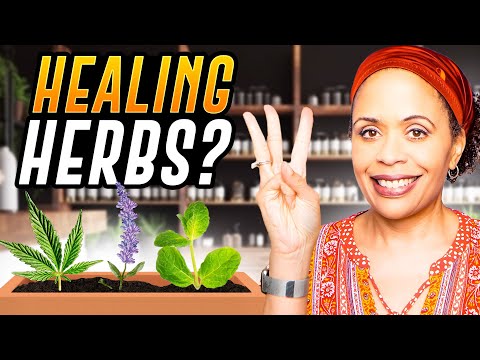
You’ve been feeling stressed, right? Like, the kind where your brain is a little hamster on a wheel, running but never getting anywhere?
Anxiety and depression can be such sneaky little monsters. They creep up on you and suddenly, you’re just not yourself anymore. It’s tough; I get it.
But here’s the thing: there are ways to tackle this that don’t always mean popping pills. Ever thought about herbs?
Seriously! Nature has some pretty cool stuff that could help calm your mind or lift your spirits.
So let’s chat about how these herbal buddies might lighten your load a bit. Sounds chill?
Top Herbs to Alleviate Anxiety and Depression: Discover Nature’s Remedies
I’m all about looking at natural ways to help with anxiety and depression. Herbs have been used for ages, and some people really swear by them. Just a heads up, though—while these can be supportive, they aren’t replacements for professional help when it’s needed. So, let’s explore some herbs that might lighten your mood or calm your nerves.
- Chamomile: This little flower is often enjoyed as tea. It’s known for its calming effects. A study showed that people with generalized anxiety disorder who took chamomile extract felt less anxious than those who didn’t.
- Lavender: Seriously, I love the smell of lavender! It’s more than just a pretty scent; it can help reduce anxiety. There are oils, teas, and even supplements out there. Research suggests that inhaling lavender aromatherapy can ease stress levels.
- Passionflower: This one sounds exotic and kinda cool! It’s often used to treat anxiety and insomnia. Some studies suggest it works as well as certain medications without the side effects. You can find it in tinctures or teas.
- Valerian Root: If you’re having trouble catching Z’s because your mind won’t switch off, valerian root might help you out. It’s mainly known for its sleep benefits but can also ease anxiety.
- St. John’s Wort: This herb has been used for depression for ages! Some research shows it might be as effective as traditional antidepressants for mild to moderate depression. However, it’s crucial to be careful because it can interact with other medications.
Imagine a friend who’s been feeling down—noticing how everything seems duller than usual, you know? They start using chamomile tea before bed and lavender oil on their pillow at night to help with sleep—slowly but surely, they start feeling more like themselves again.
Of course, using these herbs isn’t magic; they’re just part of a larger picture of care that may include therapy and lifestyle changes too—like exercise or talking things out with someone you trust.
But remember! Always chat with a healthcare provider before diving into herbal remedies. Just because something’s natural doesn’t mean it’s safe for everyone. You want to make sure you’re on the right path for *you*.
Discover the Top Holistic Treatments for Anxiety and Depression: A Comprehensive Guide
When you’re dealing with anxiety and depression, it can feel like you’re stuck in a never-ending cycle. The thing is, while traditional therapies like talk therapy and medication are solid options, many folks are curious about holistic treatments. These can include herbal remedies which have been used for ages. Let’s chat about some popular ones.
- Chamomile: This little flower is known for its calming properties. Drinking chamomile tea before bed might help you chill out and catch some Z’s, which can be super important for your mood.
- Lavender: You’ve probably heard of lavender oil in perfumes or candles. Inhaling its scent or using it in a diffuser might help ease anxiety. Some studies even suggest it can reduce symptoms of depression!
- Passionflower: This plant has been shown to have sedative effects, so it could help with sleep issues related to anxiety. You can find it as a tea or in supplements.
- Kava: This one comes from the roots of a plant native to the South Pacific. Kava might help promote relaxation without making you feel drowsy. Just watch out—too much can be hard on your liver.
- St. John’s Wort: Often used for mild depression, this herb works kind of like an antidepressant by boosting serotonin levels. However, you gotta be careful since it interacts with tons of medications!
You know what’s interesting? Many people find that combining these herbs with practices like yoga or meditation really enhances their overall well-being. It’s all about finding what resonates with you personally.
If you’re considering holistic options, make sure to chat with a health professional first. It’s essential to ensure they won’t mess with any other medications you’re taking or your overall health plan.
The bottom line is that herbal approaches can be a valuable part of managing anxiety and depression for some people when used responsibly and alongside other treatments. You never know what might work best until you try! So keep an open mind—your mental health journey is unique to you.
Top Herbal Remedies to Alleviate Anxiety and Depression Naturally
It’s pretty common to feel weighed down by anxiety and depression, right? So when it comes to handling these feelings, a lot of people turn to herbal remedies that have been around for ages. Let’s chat about some of the most well-known ones that might help you feel a bit more balanced.
Chamomile is one of those popular options. You might know it from your tea shelf. It’s known for its calming effects, which can seriously make a difference when you’re feeling anxious. Some studies suggest that chamomile can help lower anxiety levels, so sipping on some before bed could be your new go-to routine.
Then there’s lavender. Seriously, this stuff smells amazing and has some strong evidence behind it. Lavender oil is often used in aromatherapy to promote relaxation and reduce stress. People have found that just inhaling the scent can lower their heart rates and even help with sleep. So maybe try a lavender sachet under your pillow?
Another herb worth mentioning is St. John’s Wort. It’s been used for centuries as a natural treatment for mild to moderate depression. The cool thing is it seems to work like conventional antidepressants by increasing serotonin levels in the brain. But here’s the catch: if you’re on other medications, you should definitely check with a doc first since it can interact with them.
Now let’s not forget about ashwagandha. This adaptogen has become super trendy lately—no wonder! It helps your body adapt to stress and improve overall well-being. Research shows it can reduce cortisol levels, which is often known as the “stress hormone.” Just picture dealing with stress like a champ!
Passionflower is another one you might want to consider. It’s shown promise in reducing anxiety and improving sleep quality as well. Some folks even take it right before bed to help ease their minds after a long day.
And then there’s Omega-3 fatty acids. Okay, not exactly an herb per se but still super important! Found in fish oil or flaxseeds, they’ve been linked to better brain health and mood regulation. Plus, they’re good for your heart too—talk about killing two birds with one stone!
Lastly, we should mention Kava. It’s really popular in some cultures for its calming effects but yeah, it’s got a controversial side too—it can affect liver health if taken in large amounts or over time. So approach this one with caution!
So whether you’re brewing some tea or contemplating daily supplements, remember that everybody’s body reacts differently to these herbs. What works wonders for one person may not do much for another; it’s all about finding what fits YOU best! And hey, before diving into any new herb regimen or supplement routine, it’s always smart to chat with someone who knows their stuff—like your doctor or a herbalist—to make sure you’re on safe ground.
Incorporating these herbal approaches might just give you that little nudge toward feeling better naturally!
When it comes to managing anxiety and depression, a lot of people are looking beyond traditional meds these days. Not that there’s anything wrong with them, but hey, some folks just wanna explore more natural routes. I totally get that.
I remember talking to my friend Jess a while back. She was battling some pretty gnarly anxiety—like couldn’t-sleep-or-eat kind of level. Her therapist suggested adding some herbal remedies into her routine. At first, she was skeptical, you know? Like, can a plant really help me chill out? But she started experimenting with things like chamomile tea and ashwagandha powder. It was so interesting to see her journey.
Ever heard of chamomile? It’s that sweet little flower used for tea. People swear by it for relaxation and sleep. Jess made it a nightly ritual and noticed she felt more at ease before bed, which was huge for her. And then there’s ashwagandha—a bit fancier sounding, right? It’s an adaptogen that’s been used in Ayurveda forever. The idea is that it helps your body deal with stress better. Jess found it helped keep her mood more balanced during the day.
But here’s the thing: not everything works the same for everyone. Some herbs might not vibe with you at all or could even clash with other stuff you’re taking—like meds or even certain foods! So it’s super important to chat with a healthcare pro first if you’re thinking about trying something new.
There are other options too—like St. John’s Wort, which people talk about for mild depression relief, or valerian root for sleep issues. Seriously, just hang out on any wellness forum for a bit and you’ll see all sorts of suggestions flying around.
Ultimately, whether it’s herbs or therapy or good ol’ self-care practices like stretching and journaling, finding what works best for you is key. Jess still mixes in those herbal approaches along with her therapy sessions now, and honestly? That combo seems to help her navigate life better.
So if you’re curious about herbal options for anxiety or depression, dive in! Just stay informed and keep talking to your doc as you go along—all roads can lead to feeling better if we’re open-minded about them!