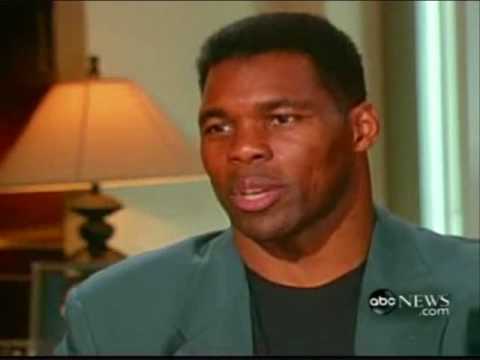
So, let’s talk about Herschel Walker. You know him, right? The guy who’s a football legend and all that? But there’s something deeper going on with him that caught a lot of people off guard.
He’s been open about dealing with Dissociative Identity Disorder. It sounds heavy, and honestly, it can be pretty complicated to wrap your head around.
Like, how does someone navigate life with multiple identities? What does that even feel like? Seriously, it’s a wild ride.
A lot of folks don’t really understand what Dissociative Identity Disorder is all about. Without getting all clinical and boring, let’s break it down together in a way that makes sense. Trust me; it’ll be eye-opening.
Understanding Dissociation: Is It an Effective Coping Mechanism or a Harmful Habit?
Dissociation is one of those terms that can sound a bit clinical, but it’s really just about feeling disconnected from your thoughts, feelings, or sense of identity. It can be mild—like daydreaming during a boring meeting—or pretty intense, like in the case of Dissociative Identity Disorder (DID). You might have heard the name Herschel Walker pop up lately. He’s talked about his experiences with dissociation and DID, shedding light on something many find confusing.
So, what’s the deal with dissociation? Well, it often serves as a coping mechanism when someone faces overwhelming stress or trauma. Imagine you’re in a scary situation; your brain might kick in and help you zone out to protect yourself. It’s like putting up a mental wall to block out pain.
But here’s where things get tricky. While dissociation can be useful short-term, especially in difficult situations, it can morph into a harmful habit if you rely on it too much. You see, over time, constantly checking out from reality can make it tough to deal with problems head-on or form meaningful relationships.
Here are some key points to think about when considering whether dissociation is effective or harmful:
- Short-term relief: In moments of crisis, it can feel like a lifesaver.
- Persistent use: If it becomes your go-to reaction for stress or trauma, you could run into real issues.
- DID and identity confusion: In cases like Herschel Walker’s, people may not just disconnect; they might experience different identities as part of their disorder.
- Lack of grounding: Living too much in that state can mess with your daily life and relationships.
Think about this: imagine someone going through childhood trauma and learning to dissociate as a way to cope with painful experiences. That technique might protect them then but could make adulthood challenging if it becomes their primary method for handling distress.
When someone like Herschel Walker speaks openly about his experiences with dissociation and DID, it humanizes these conditions and helps others realize they’re not alone. But being open about these issues isn’t the end—it also shines a spotlight on the need for solid treatment options.
In therapy settings, professionals often aim to help individuals understand their triggers for dissociation while teaching them healthier coping strategies. This is super important because the goal isn’t just to eliminate dissociative behaviors, but rather finding ways to navigate emotions without flipping that switch into disconnect mode.
In summary: Dissociation has its place as a temporary shield against overwhelming feelings. But staying behind that wall too long? Yeah, that’s where things get dicey. By striking a balance between using helpful coping techniques and facing reality head-on through therapy or support networks, people can lead healthier emotional lives without letting disconnection become their default setting.
Understanding Dissociation: Is It Harmful to Your Brain Health?
Dissociation is one of those buzzwords that gets tossed around a lot, but really, what does it mean? Basically, it’s when your mind takes a break from reality. You might find yourself feeling detached from your thoughts or surroundings. It’s kind of like zoning out during a boring lecture, but on a much deeper level.
Now, let’s talk about how this connects to dissociative identity disorder (DID). This isn’t just the regular “I forgot where I parked” kind of dissociation. People with DID might feel like they have different identities or personalities that come out at different times. It’s often tied to severe trauma—like childhood abuse—that makes it hard for the person to cope with their experiences.
So is dissociation harmful to your brain health? Well, it’s complicated. On one hand, dissociation can be a coping mechanism. Think of it like your brain’s way of protecting itself from overwhelming stress or pain. In that sense, it can help in the short term. But on the flip side, if someone experiences chronic dissociation, it could lead to problems down the road.
For example:
A common scenario could be when you’re driving home after a long day and suddenly realize you don’t remember the last few minutes of your drive. That’s a mild form of dissociation and usually isn’t harmful in the moment—but if that happens frequently or during important tasks? Then we might need to take a closer look.
Let’s take Herschel Walker as an example; he has openly discussed his journey with DID. For him, acknowledging and addressing these experiences has been crucial for his mental health journey. It shows how awareness and treatment can make a real difference.
That being said, if you notice yourself dissociating often or feeling lost in your own head—especially if it’s affecting daily life—it could be worth chatting with someone about it. Finding strategies through therapy can help manage those feelings and regain some stability.
In summary—or as I like to say: here’s the scoop—dissociation itself isn’t inherently harmful; it really depends on how often it happens and how it’s affecting you overall. Recognizing what’s going on in your mind is key!
Exploring the Connection Between Celebrity Wealth and Mental Health: Herschel Walker’s Net Worth Impact
Exploring the connection between celebrity wealth and mental health can be pretty complex, you know? It’s fascinating how having a ton of cash doesn’t always equal happiness. Take Herschel Walker, for example. He was a football superstar, an Olympic athlete, and someone who’s amassed quite a bit of wealth over the years. But he’s also shared his struggles with mental health, specifically around dissociative identity disorder (DID).
So, what’s the deal with wealth and mental health? Here are some points to consider:
Now, let’s talk about dissociative identity disorder. This condition is characterized by different identities or personality states taking control at various times. It’s not just a buzzword; it can lead to overwhelming emotional experiences. For someone like Walker, who faced trauma in his life—such as bullying and pressures of fame—it makes sense that DID could arise as a coping mechanism.
Walker himself has opened up about his journey with DID and how it affected him personally and professionally. Sharing these experiences sheds light on how even highly successful individuals struggle with mental illness.
But here’s something interesting: although he has substantial resources at his disposal, navigating DID isn’t straightforward or simple because it digs deep into one’s psyche. Money can’t just “fix” what’s going on internally.
So yeah, it’s crucial to understand that wealth doesn’t guarantee mental well-being. In fact, sometimes it complicates matters more than one might anticipate! Celebrities like Herschel Walker remind us that vulnerability exists regardless of status or net worth.
In the end, whether someone is wealthy or not doesn’t define their mental health journey. It’s real for everyone—and recognizing that is so important if we want to support each other more effectively in this crazy world we live in.
So, you might’ve heard of Herschel Walker, right? The ex-football star turned political figure? His journey has been super controversial and has sparked a lot of conversations about mental health, especially around Dissociative Identity Disorder (DID).
Now, Dissociative Identity Disorder is, well, a pretty complex condition. It’s like your mind creates different “identities” or “alters” as a way to cope with trauma or stress. Imagine having different personas that may have their own memories and behaviors. So, when people talk about Herschel discussing his experiences with DID, it gets pretty layered.
I remember once talking to a friend who had similar struggles. She’d share stories that sounded like they weren’t even her own. You know? It was heartbreaking to see her trying to navigate life while feeling disconnected from herself at times. Hearing her describe these shifts in identity made me think more deeply about how we perceive mental health issues.
Herschel’s situation draws attention because it brings DID into the spotlight—a topic that many folks don’t really understand or might even stigmatize. When he opened up about his experiences, I think it gave others permission to talk about their own struggles too. Like my friend, many people feel isolated in their experiences with mental health issues.
But here’s the thing: discussions around public figures can also be tricky. Sometimes they can unintentionally reinforce stereotypes or misconceptions—like thinking someone with DID is dangerous or just acting out for attention. That’s far from the truth! Most people with DID are just trying to manage their reality as best they can.
So understanding Herschel Walker isn’t just about his fame or politics; it’s also an opportunity for all of us to broaden our understanding of mental health conditions like DID. It’s complex and multilayered—much like us humans are! And by talking and sharing these kinds of stories, we create space for empathy and understanding in a world that often rushes to judgment.
In short, whether you agree with him politically or not, the conversation around Herschel Walker and his experiences reminds us that everyone carries their own burdens—and we all deserve some compassion along the way.