You know how some people just seem to click with you? And others, well, they totally don’t? It’s all about personality.
The thing is, figuring out what makes us tick is kinda fascinating. Enter the HEXACO test! It’s like a personality map that helps you understand yourself and those around you.
You might be wondering what it all means. Trust me, it’s not as complicated as it sounds! Just think of it as a fun way to break down who you are.
Plus, it can really shed light on why we do the things we do—the good, the bad, and everything in between. So grab a cup of coffee, and let’s dig into this together!
Exploring the HEXACO Model: Understanding How It Measures Personality Traits
The HEXACO model is super interesting when it comes to figuring out personality traits. Basically, it’s a six-dimensional model that gives us a fuller picture of who someone is. Rather than just focusing on the common big five traits, HEXACO adds another layer to understanding people.
What’s in the HEXACO Model?
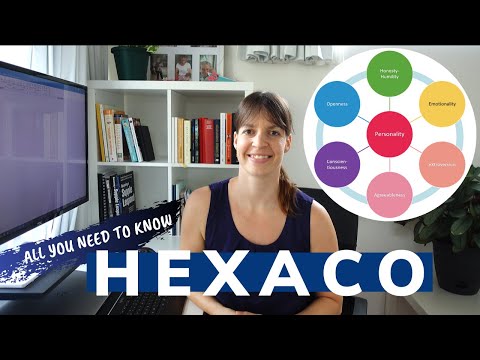
The six dimensions are:
Each of these dimensions offers insight into different aspects of behavior, so it makes sense you’d wanna look at all six for a complete understanding.
The Test Itself
The HEXACO test consists of several statements where you’ll rate your agreement on a scale from «strongly disagree» to «strongly agree.» For example, one question might ask if you often feel guilty after doing something bad. Depending on your answer, it’ll help pinpoint where you stand on the honesty-humility scale.
Taking the test can actually lead to some pretty eye-opening moments! I remember when my friend took it; she was always known for being super friendly but didn’t quite see herself as particularly organized. Turns out her low conscientiousness score made sense in that context!
The Benefits
Using HEXACO can really help in various situations like personal development or even job interviewing processes. Employers sometimes look at personality tests to find candidates who’ll fit their company culture best.
Also, knowing your own personality can give insights into your relationships—like why some friendships feel natural while others seem strained. It sheds light on communication styles too; like realizing if you’re more agreeable and your partner is high in emotionality, there could be some friction over how feelings are expressed.
In summary, the HEXACO model is way more than just another psychology term—it’s about digging deeper into what makes us tick as individuals! And hey, if you’re ever curious about where you land on those scales, taking the test could be a fun way to reflect on yourself!
Exploring the Validity of the HEXACO Personality Assessment: Key Insights and Implications
The HEXACO personality assessment is an interesting tool in the field of psychology, designed to measure six dimensions of personality. It’s kind of like the more popular Big Five model, but with a twist. In HEXACO, you’ve got Honesty-Humility, Emotionality, eXtraversion, Agreeableness, Conscientiousness, and Openness to Experience. Each of these traits gives us a clearer picture of how someone might think or behave.
One aspect that sets the HEXACO apart is its inclusion of Honesty-Humility. This trait captures things like sincerity and fairness. If someone has high Honesty-Humility, they’re likely to be genuine and avoid greed. Think about that friend who always shares their snacks—yeah, they probably score high on this one!
Now let’s talk about Emotionality. It resembles Neuroticism from the Big Five but has some key differences. High Emotionality can mean being sensitive or anxious but also caring deeply for others. Imagine a person who gets upset easily but is also very empathetic toward friends in tough times.
Another trait is eXtraversion, which you can probably guess what it’s about—like being social and outgoing! People scoring high here tend to enjoy being around others and often feel energized in social settings. I mean, who doesn’t love that one friend who lights up a party?
As for Agreeableness, this dimension looks at how cooperative or compassionate someone is toward others. If you know a person who’s always ready to help out without expecting anything in return, then they’re likely pretty agreeable.
Then there’s Conscientiousness, which reflects how organized or responsible someone is. A high score here often means being reliable and hardworking—like that one co-worker who never misses deadlines.
Finally, we have Openness to Experience. This trait involves creativity and willingness to try new things. Think of an artist trying a new medium; that’s Openness in action.
What’s neat about the HEXACO model is how it can apply across different cultures—it might give us insights into behaviors globally rather than just focusing on Western perspectives like many other assessments do.
But let’s get real for a moment: Is the HEXACO really valid? Research has shown that it correlates well with various outcomes like job performance and relationship satisfaction. Plus, having those six dimensions might offer more nuanced insights into individual personalities compared to models with fewer traits.
So yeah, if you’re looking for something fresh beyond the usual personality tests out there, HEXACO might just be your jam! It could help paint a fuller picture of who you are—or at least prompt some fun conversations at parties!
Understanding Personality Assessment in Psychology: Key Methods and Insights
Personality assessments are like a mirror reflecting our thoughts, feelings, and behaviors. They help us understand who we are and how we relate to others. One popular tool in this realm is the Hexaco Test. This assessment breaks down personality into six key traits, which can give you some fascinating insights about yourself.
1. Honesty-Humility: This trait examines your tendency towards sincerity and fairness. If you score high here, you’re likely someone who values honesty and doesn’t manipulate others for personal gain. Picture a friend who always keeps their word; that’s the kind of vibe this trait captures.
2. Emotionality: It reflects how sensitive and emotional you are. High scores indicate someone who feels deeply and is more likely to experience anxiety or sentimentality. You might relate if you’ve cried during movies or feel deeply for someone’s struggles.
3. Extraversion: This one measures your sociability and enthusiasm for life. If you’re outgoing, love parties, and crave social interactions, you’re probably high on extraversion! Think about that friend who’s the life of every gathering—that’s them!
4. Agreeableness: Here, we look at how cooperative or compassionate you are towards others. Those with high agreeableness might go out of their way to help friends or avoid conflict whenever possible.
5. Conscientiousness: This trait gauges your level of diligence and organization. Score high? You might be the person with a perfectly organized planner or one who always meets deadlines without a hitch.
6. Openness to Experience: This measures how open-minded or adventurous you are regarding new ideas and experiences. If you’re someone who loves exploring new cultures or trying unique foods, guess what? You’re likely scoring high on this one!
Now, what’s interesting about the Hexaco model is that it adds an extra dimension compared to other personality tests like the Big Five—specifically focusing on honesty-humility as an essential aspect of our character.
The test usually consists of self-reported questionnaires where you answer statements about yourself using a rating scale—from «strongly disagree» to «strongly agree.» It’s pretty straightforward! But remember: it’s not just about the scores; it’s about understanding what they mean in your life.
It can be enlightening! Imagine realizing that your low openness could explain why trying new things feels so daunting to you—or discovering that your high emotionality allows deeper connections with others but can sometimes lead to overwhelming feelings.
Overall, while no test can capture every nuance of your personality—it’s an awesome tool for personal insight! So if you’re curious about yourself or pondering why you react in certain ways in different situations, why not give it a go? The journey into understanding yourself better is always worth it!
You know, personality tests can feel a bit like those fun quizzes you find in magazines. You answer a bunch of questions, and then voilà! You get some insight into yourself. But beyond the lighthearted vibe, there’s actually serious stuff going on with these assessments. One of the more interesting ones is the HEXACO test.
So, the thing is, the HEXACO model digs deep into your personality by focusing on six major traits: Honesty-Humility, Emotionality, Extraversion, Agreeableness, Conscientiousness, and Openness to Experience. It’s like peeling an onion; layer by layer reveals a little more about who you are.
I remember taking this test a while back—just out of curiosity—and it was both enlightening and a tad unsettling. Like, I thought I was pretty chill when it came to stress (you know how life can throw curveballs). But according to my results? Nah! Turns out I score high on Emotionality—or basically being sensitive and caring deeply about relationships. It made me realize that sometimes my empathy is a double-edged sword.
What I love about the HEXACO model is that it’s not just focused on being «good» or «bad,» but rather it gives you this nuanced view of your personality that reflects real-life complexities. You can see how traits interact with each other too. For example, high Honesty-Humility might balance out someone’s Extraversion nicely. So if you’re super outgoing but also grounded in honesty? That’s pretty neat!
And yeah, there’s always that debate about how much weight we should give these tests in understanding ourselves or others. It’s not like a definitive answer or anything—people are way too complicated for that! But having this framework helps in seeing tendencies without boxing yourself in completely.
In relationships or work settings? Understanding these traits can be super useful in knowing why people act the way they do—like why someone might come off as aloof when really they’re just cautious or shy.
So yeah, if you’re ever curious (or bored), taking the HEXACO could give you some fun insights into your personality while making you think about your interactions with folks around you…just make sure to take it lightly!