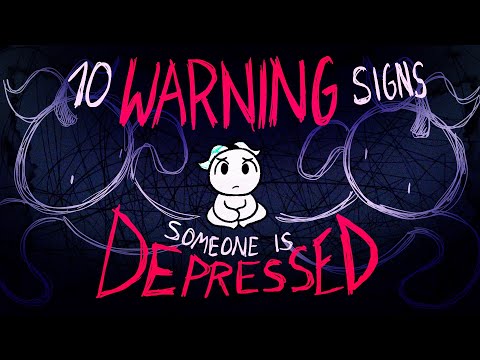
You know that feeling when everything looks fine on the outside but inside, something just feels… off? Yeah, it’s weird, right? Sometimes, people wear a smile like a mask. But what’s hiding behind it?
Depression isn’t always loud and obvious. It can sneak in quietly. You might even brush it off as just “having a bad day.” But those daily struggles might be saying something more.
I remember this friend of mine. Always cracking jokes, but when we hung out, there were these tiny moments where he seemed lost, like he was somewhere else entirely. It was small stuff—just flickers of sadness that didn’t sit right with me.
So let’s chat about some of those subtle signs. You know, the ones that can just slip under the radar? Because understanding them might help you—or someone you care about—feel a little less alone.
Understanding Depression: Signs and Symptoms in Everyday Life
Depression can be a tricky thing to spot. It’s not just about feeling sad; it’s like this heavy blanket that sneaks over you, making even the simplest tasks feel like climbing a mountain. So, let’s talk about some signs and symptoms that might show up in everyday life.
Feeling Empty or Numb: You know that feeling when everything feels dull? Like you’re just going through the motions? That’s a common sign of depression. You might find yourself not caring about things you used to love—like hanging out with friends or watching your favorite shows.
Changes in Sleep Patterns: Ever notice how you can’t sleep, or maybe you just can’t get out of bed? Depression can mess with your sleep. Some people sleep way too much, while others toss and turn all night long. This disruption can leave you feeling even more tired and irritable during the day.
Appetite Changes: When depression hits, your appetite might go on a rollercoaster ride. You could lose interest in food altogether or find yourself eating way more than usual as a coping mechanism. Maybe you’ve experienced days where nothing looks appetizing or times when you’re constantly reaching for snacks without even realizing it.
Lack of Motivation: Tasks that once felt easy can suddenly seem impossible. Getting out of bed might take all the energy you have. You might think, “I’ll do it tomorrow,” but tomorrow comes and goes, and nothing changes. It can feel like being stuck in quicksand—you’re trying to move but just sinking further.
Withdrawal from Social Interactions: You might start pulling back from your social circle without even noticing it at first. Friends may invite you out, but instead of saying yes, you’re making excuses. Or maybe they stop inviting you altogether because they sense something’s off.
Irritability and Mood Swings: Have you noticed getting upset over little things? Depression sometimes turns into anger or frustration rather than sadness. One moment you’re fine, and the next, you’re snapping at someone for no good reason—it’s confusing for both you and them!
Concentration Issues: Focusing on tasks gets harder when you’re dealing with depression. Reading a book may feel impossible because your mind keeps wandering off to dark corners instead of the story unfolding in front of you.
These signs are subtle yet powerful indicators that something deeper might be going on beneath the surface. Sometimes it’s easier to ignore them until they pile up into something bigger than life itself.
If any of this sounds familiar to you—or if someone close to you is showing these signs—it’s absolutely okay to seek help! Talking to someone who gets it can really make a difference in understanding what’s going on inside your head and heart. Remember, reaching out is strong—not weak—and everyone deserves support on their journey towards feeling better!
Uncovering the Signs: A Complete Guide to Identifying Hidden Depression
Recognizing hidden depression can be pretty tricky. A lot of times, people suffering from it don’t show the classic signs that jump out at you. Instead, they might go through life wearing a “mask,” looking perfectly fine on the outside while struggling internally. Here’s what you should keep an eye on:
1. Changes in Sleep Patterns. You might notice someone sleeping way too much or hardly at all. It’s like their body doesn’t know what it wants. For instance, a friend who once loved hanging out late might start going to bed super early or even express feeling exhausted after a full night’s sleep.
2. Emotional Numbness. People with hidden depression can feel disconnected from their emotions. They might laugh at jokes but not truly feel joy anymore. Think about someone who used to love their favorite band but now just feels… blah about it.
3. Increased Irritability. You may find someone snapping over little things that used to roll off their shoulders. Like, if your buddy used to laugh off a bad day at work but now gets angry at the slightest mistake, it’s something worth noticing.
4. Withdrawal from Social Activities. When someone stops hanging out with friends or bails on plans frequently without a good reason, that can be a red flag. Imagine your friend suddenly becoming a hermit when they were previously the life of the party.
5. Changes in Appetite. This can show up as either eating way more or way less than usual—almost like their eating habits are on a rollercoaster ride. If someone who used to enjoy pizza nights starts skipping meals or munching nonstop, it might indicate something deeper going on.
6. Lack of Motivation. Hidden depression often steals away enthusiasm for things once enjoyed—like hobbies or work projects—a serious energy drain! Think about how your coworker who once tackled tasks enthusiastically seems to drag themselves through every meeting now.
7. Trouble Concentrating. You know when you’re just not really ‘present’? Someone might zone out during conversations or struggle to keep up with tasks that usually take no effort at all.
So, recognizing these signs isn’t always straightforward—you follow me? These little changes can easily slip under the radar while someone is trying to navigate their daily life and pretend everything’s okay.
Keep in mind that if you see these signs in yourself or somebody close to you, talking openly about feelings can be super beneficial—and there’s no shame in seeking professional help if needed! Sometimes just reaching out and checking in can make all the difference for someone who feels lost inside their own mind.
You know, sometimes it’s really easy to spot when someone’s feeling down. Maybe they’re crying, or staying in bed a little too much. But what about those sneaky signs of hidden depression that you might not even think about? It can be like trying to find a needle in a haystack, honestly.
Take my friend Sarah, for example. On the outside, she seemed totally fine—always smiling, cracking jokes, and throwing amazing dinner parties. But behind that cheerful facade? Well, she was dealing with some heavy stuff: sleepless nights and a constant feeling of being drained. It’s nuts how people can put on such a brave face while battling their own demons.
So what are these subtle signs that might slip by? For one, folks might start withdrawing from things they used to love. Like, maybe they used to go hiking every weekend but suddenly bail out without explanation. And then there are the changes in their eating habits—either stuffing themselves or hardly eating at all. You notice them saying “I’m not hungry” a lot more often when you’re out for coffee.
Another thing is mood swings. They can be tricky! One minute they’re laughing and the next they’re irritable or distant. You’re left wondering if you’ve said something wrong… but it could just be the weight they’re carrying inside.
And let’s talk about energy levels—because really, who hasn’t had those days where simply getting off the couch feels like climbing a mountain? People hiding depression sometimes seem like they’ve hit pause on life; basic tasks feel insurmountable.
Feeling hopeless is another red flag but isn’t always obvious. Someone might casually throw around phrases like “What’s the point?” or “Things will never get better.” These comments can roll right off your back if you aren’t paying attention to their deeper meaning.
It’s super important to keep an eye on these signs—not just for others but for yourself too. So if you find yourself feeling unusually exhausted or disconnected from things you once loved… well, that might be nudge from your mind saying something needs checking out.
At the end of the day, we’ve all got our struggles; that’s part of being human. But recognizing hidden depression in those around us—or even within ourselves—can make all the difference in finding support and healing together.