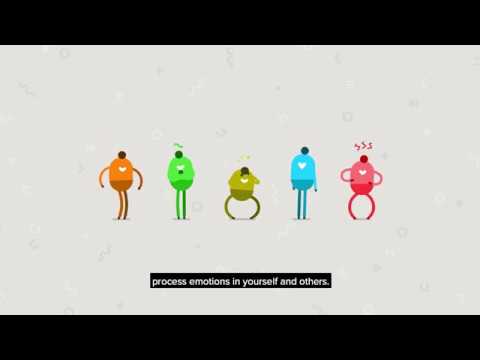
You know that feeling when you just can’t quite figure out why you’re in a funk? Or why some people seem to breeze through life while you’re stuck on a rollercoaster of emotions? Yeah, that’s where emotional intelligence comes in.
It’s not just some buzzy term thrown around in a self-help book. It’s about understanding your feelings and the feelings of others. Basically, it’s like having a superpower for navigating life.
Sometimes, we overlook how important it is for our mental health. Seriously, being in tune with yourself can make a world of difference. So, let’s chat about what emotional intelligence really means and how you can check in on yours.
Unlocking Self-Awareness: A Comprehensive Guide to Evaluating Your Emotional Intelligence
Self-awareness and emotional intelligence are like the dynamic duo of mental wellbeing. When you truly understand yourself, it’s way easier to handle life’s ups and downs. So, let’s break this down and see what emotional intelligence is all about and how to evaluate yours.
Emotional intelligence is basically your ability to recognize, understand, and manage your own emotions while also being aware of the emotions in others. You know, it’s like when you walk into a room and instantly feel the vibe—like whether it’s chill or tense. So, let’s see how you can evaluate this important part of yourself.
First off, think about how well you recognize your own feelings. Can you identify when you’re happy, sad, or frustrated? Many people struggle with this because we sometimes just push feelings down instead of really facing them. Like the time when I was stressed about an upcoming event but brushed it off as just being “nervous.” It took me a moment to realize I was actually feeling overwhelmed!
Next up is understanding those emotions. Ask yourself: why do you feel a certain way? Did someone say something that triggered it? For instance, if someone doesn’t respond to your text right away and you feel anxious, dig deeper. Is it because you’re feeling abandoned or maybe just insecure? Understanding this helps prevent those wild emotional rides.
Then there’s managing your emotions. This is huge! It’s not just about feeling things but also controlling how those feelings affect your actions. Have you ever snapped at someone because you were having a bad day? That reaction can hurt others and lead to regrets later on. Instead of just reacting impulsively, try pausing for a moment when those intense feelings rise up.
Now let’s switch gears to how well you pick up on other people’s emotions—this falls under social awareness. Are you good at noticing if someone seems off or unhappy even if they didn’t say anything? Being attuned to others can really strengthen relationships and make communication smoother.
It’s also important to manage relationships wisely. Think about how well you navigate social situations. Can you resolve conflicts without turning into a drama show? If you’ve got the knack for smoothing over arguments with friends or family, then you’re likely in tune with emotional cues—yours and theirs.
Finally, self-reflection plays a key role here too! Set aside some time regularly – like journaling or just quiet reflection—to think about your feelings over the past week or day. What situations triggered certain emotions in you? This kind of habit leads to better self-awareness.
So there ya go! Evaluating your emotional intelligence isn’t some daunting task—it’s more like checking in on yourself regularly. By understanding your own emotional landscape better and relating it back to others, you’re setting yourself up for more fulfilling interactions and healthier mental wellbeing!
Exploring the Impact of Emotional Intelligence on Mental Health and Wellbeing
Emotional intelligence, or EI, is like your inner GPS for understanding and managing emotions—both your own and the ones of others. It’s pretty important when it comes to mental health and overall wellbeing. Let’s break it down a bit more, shall we?
What is Emotional Intelligence?
Basically, emotional intelligence refers to how well you can recognize your feelings and those of people around you. It’s not just about feeling good or bad; it’s about understanding why you feel that way and how to respond positively. Think of it as having a toolbox for your emotions. You know, if you’re upset, you can reach for the «calm down» tool instead of just stewing in frustration.
Why Does It Matter for Mental Health?
Well, emotional intelligence plays a huge role in mental wellbeing. When you’re aware of your emotions, you can manage stress better. You’re less likely to react impulsively because hey, you “get” what triggers those feelings in the first place. Here’s what happens:
- Better Relationships: Being emotionally intelligent helps with communication. You can express yourself clearly without escalating things unnecessarily.
- Improved Coping Strategies: When stress hits, an emotionally intelligent person often has healthier coping mechanisms—like talking it out instead of bottling up.
- Greater Resilience: You start bouncing back from setbacks more effectively since you’re tuned into your emotions and can navigate through them.
Let me tell you a story: my friend Alex used to struggle with anxiety. It was rough because every little setback felt like a mountain he couldn’t climb. But after learning more about his emotional triggers and responses—thanks to some self-reflection and therapy—he really turned things around! He became better at acknowledging his feelings rather than ignoring them, which made such a difference in how he handled stressful situations.
How Can You Evaluate Your Emotional Intelligence?
Good question! Evaluating EI is pretty straightforward but takes some honest self-reflection:
- Self-awareness: Ask yourself questions like: How do I feel right now? What triggered this? This helps clarify emotions before reacting.
- Self-regulation: Look at how you handle those feelings when they pop up. Do you lash out or take a breath before responding?
- Empathy: Pay attention to other people’s emotions too! Can you sense when a friend is upset? Being aware of their feelings helps strengthen connections.
You can also take online quizzes designed specifically for evaluating emotional intelligence! They aren’t foolproof but do offer some insights.
The Bottom Line: Emotional intelligence isn’t some fluffy concept—it deeply influences how we manage life’s ups and downs. By honing this skill, you’re not only improving your emotional toolkit but also boosting your overall mental health and wellbeing.
So next time you’re feeling overwhelmed or stressed out, take a moment to check in with yourself emotionally. It might just be the key to navigating through whatever life throws at you!
Mastering Emotional Intelligence: Discover the 5 Essential Skills for Personal and Professional Growth
Emotional intelligence, or EQ, is all about being in tune with your feelings and the feelings of others. Think of it like that extra layer of understanding that helps you navigate your emotions and social interactions better. Mastering emotional intelligence can seriously impact both your personal life and career, so let’s break down those essential skills you’ll want to hone.
1. Self-Awareness
First off, self-awareness is about knowing what you’re feeling and why. It’s recognizing your moods and how they affect your thoughts and behaviors. For example, if you’re stressed about a work deadline, instead of lashing out at a colleague, you recognize it’s not their fault—it’s pressure from the project. This awareness allows for better reactions rather than knee-jerk responses.
2. Self-Regulation
Next up is self-regulation. This is all about managing those emotions once you’re aware of them. It’s like having control over the emotional rollercoaster ride we all go through. If something bothers you in a meeting, instead of snapping back, you take a breath and pause before responding. Seriously! That slight moment can change the whole tone of the interaction.
3. Motivation
Motivation is where things get interesting! It’s more than just wanting to achieve goals; it’s about being driven by personal values rather than external rewards. When you’re motivated from within—like wanting to grow rather than just make more money—you tend to be more resilient in tough times. Like when you’re faced with obstacles at work but push through because you genuinely believe in what you’re doing.
4. Empathy
Now let’s talk empathy, which is essential for understanding other people’s emotions—basically walking in their shoes for a bit! When a friend comes to you upset after a bad day, instead of saying “You’ll get over it,” try validating their feelings: “That sounds really tough.” You’d be surprised how far just acknowledging someone else’s struggle goes!
5. Social Skills
Finally, there are social skills—these are all about building relationships and connecting effectively with others. Whether it’s collaborating on projects at work or keeping friendships strong outside the office, great social skills help you communicate well and diffuse tension easily. Effective listening plays a huge role here too; when people feel heard, they’re usually happier in any relationship.
So yeah, focusing on these five emotional intelligence skills can genuinely enhance your mental wellbeing and interpersonal connections—whether at home or work! The journey might take patience and practice but improving your EQ can lead to some amazing growth both personally and professionally!
You know, emotional intelligence (EQ) is one of those things that just sneaks up on you. It’s not like you’re going around checking boxes on a list, but it plays a huge role in how you experience life and connect with others. Have you ever had a moment where you were super frustrated, and instead of lashing out, you paused and thought about why? That’s your EQ in action!
So, imagine this: you’re having a rough day at work. Maybe your boss isn’t being fair or a coworker is acting like they’ve got a stick up their butt. You feel that knot in your stomach tightening as anxiety stirs. In the past, you might’ve snapped back with something harsh—hey, we’ve all been there. But now? You take a step back and realize it’s not about you; they might be dealing with their own stuff. That understanding can seriously shift the whole vibe of your day.
Evaluating your emotional intelligence isn’t about passing some kind of test; it’s more like checking in with yourself—and honestly, it can be pretty enlightening! You can start by asking simple questions. How well do I recognize my own feelings? When I’m upset or nervous, do I know what triggers me? And then there are those tricky social situations: how do I read the room? Am I aware of others’ emotions and does that influence how I react?
One thing to keep in mind is that high emotional intelligence isn’t just for therapists or leaders; it’s something we all can use daily. Like when my friend Ben went through his breakup last year. Instead of bottling it all up or wallowing for weeks, he talked about his feelings openly—he said he was hurt but also realized it was an opportunity to grow. That level of self-awareness really helped him move forward rather than getting stuck.
The key takeaway here is that developing EQ means boosting our mental wellbeing too! When we recognize our emotions and the emotions of others, we’re better equipped to navigate life’s ups and downs without losing our minds—or friendships. So ask yourself: are you tuning into those feelings? The more awareness we build, the smoother our ride through life tends to get!