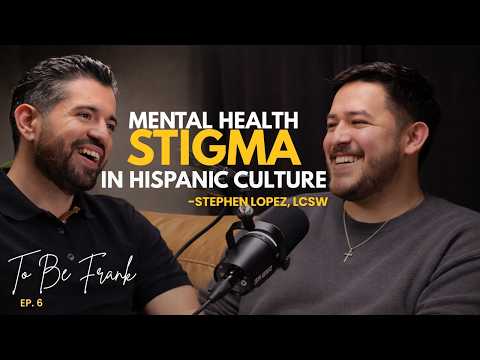
You know how sometimes you just feel like no one gets it? Like, when you’re going through something, and people around you just don’t understand? Yeah, that’s a real struggle.
Especially in the Hispanic community, mental health can be a tough topic. It’s almost like there’s this giant elephant in the room that no one wants to talk about. It’s frustrating, right?
So many folks deal with anxiety or depression but don’t get the help they need. Why? Because stigma is everywhere! Family expectations, cultural beliefs—you name it.
But here’s the thing: we can totally change that narrative. Seriously! Understanding psychology can help us break down those walls.
Let’s chat about how we can challenge this stigma and make mental health a conversation everyone can join. Sound good?
Breaking Barriers: Addressing Hispanic Mental Health Stigma Through Psychological Insights
Mental health stigma can be a tough nut to crack, especially within Hispanic communities. You see, cultural values and beliefs shape how mental health is viewed and discussed. Many folks believe that seeking help signifies weakness, or they might think it’s something you should just handle on your own. This leads to a lot of misunderstandings and reinforces that stigma.
- Cultural context: In many Hispanic cultures, family ties are super strong. When someone struggles with mental health issues, it often reflects on the entire family. This can make people reluctant to talk about their feelings or seek help because they don’t want to bring shame or worry to their loved ones.
- Language barriers: English isn’t the first language for many in these communities, which can complicate access to resources. If services aren’t offered in Spanish or if mental health professionals can’t communicate clearly, it makes it really hard for someone to express their feelings.
- Fear of judgment: There might be a fear of being judged by the community or even by healthcare providers. A lot of people worry that if they share their struggles, they’ll be labeled as “crazy” or somehow less than others.
I remember a friend from college who was raised in a tight-knit Hispanic family. He faced severe anxiety but felt he couldn’t talk about it with his parents—they didn’t get therapy; it was all about “toughing it out.” This really ate away at him because he didn’t feel safe expressing what he was going through.
Now, psychological insights can play a huge role in breaking down this stigma. For example:
- Education and Awareness: Providing clear information about mental health helps demystify it. When people understand that mental health issues are just as valid as physical ones, they may feel more comfortable discussing them.
- Community Engagement: Building trust within communities is vital. Initiatives that involve local leaders or figures who understand their struggles can create safe spaces for conversation and support.
- Culturally Competent Therapy: Therapists trained in understanding cultural backgrounds can bridge gaps and connect better with clients. They’re more equipped to address specific concerns and perspectives unique to Hispanic clients.
It’s pretty amazing how small changes—like having bilingual professionals available—can have such a big impact on outreach efforts!
In short, tackling stigma around Hispanic mental health involves understanding cultural nuances and ensuring open dialogue within the community. It’s all about making space for honesty while providing accessible resources and support systems. With time and effort, we can make strides toward acceptance and healing!
Breaking Barriers: Overcoming Mental Health Stigma in the Latino Community
Breaking the Silence
Alright, so let’s talk about something that’s super important—mental health stigma in the Latino community. We all know how tough it can be to chat about our feelings or seek help, especially when you throw culture into the mix. Family values, traditions, and a strong sense of pride often make it hard for people to even acknowledge that they might need support.
A Unique Challenge
For many Latinos, mental health isn’t just a personal issue; it’s like a family affair. You might carry that weight with you because of the fear of being judged or misunderstood, both from your family and within your community. That makes it more important than ever to break down these barriers. You follow me? It’s time to shift the conversation.
Cultural Perspectives
In Latino culture, there’s often an emphasis on resilience and “sucking it up.” Many grow up hearing phrases like “no llores,” which means “don’t cry.” This kind of mindset can lead people to bottle things up instead of talking about them. Sure, being tough can feel empowering at times, but when does it become unhealthy?
Well, one big barrier is access to mental health resources. Language differences can be a huge hurdle too! Imagine trying to explain your feelings in a language that isn’t your first—you’d probably feel vulnerable and frustrated.
Also, there are some ideas from folklore or traditional beliefs that might encourage people to avoid professional care. For example, some may believe mental illness is linked to supernatural forces or could be solved through prayer alone. Look, while spirituality is powerful and comforting for many, ignoring science-backed approaches can cause real harm.
Education is Key
Changing this narrative starts with education. Knowing what mental health really means can help shift perspectives. Mental health issues aren’t signs of weakness—they’re illnesses that deserve attention like any physical ailment would get!
At community events or through social media campaigns featuring respected figures within the Latino community talking openly about their own struggles could resonate deeply. Stories have power; they connect us and remind us we’re not alone.
The Role of Psychologists
Psychologists play a crucial role here too! They can work culturally sensitive strategies into their practices—using traditional beliefs as touchpoints rather than barriers! The goal should be comfort and understanding when approaching mental health topics with clients. When someone feels understood in their cultural frame, they’re much more likely to open up.
So if you’re out there wondering how you can help change the stigma? Start small by having conversations with friends or family—ask how they feel about mental health and share what you’ve learned yourself!
In summary: breaking down stigma is so possible if we come together as families and communities. We’re all in this together!
Breaking Barriers: Addressing Stigma Against Families with Mental Health Issues in Latino Communities
Breaking barriers around mental health stigma, especially in Latino communities, is a really important topic that deserves some serious attention. Mental health issues don’t just affect individuals; they touch families and the entire community. But stigma can create walls that keep people from seeking help or talking about what’s going on.
In many Latino cultures, mental health can be viewed through a lens of shame and silence. People might worry about being judged or labeled as «crazy» if they speak up about their struggles. Instead of finding support, families might isolate themselves, believing they’re alone in what they’re facing. This fear is totally understandable but harmful.
You know how sometimes, when talking about emotional issues, people might say things like «just pray harder» or «it’s all in your head»? That mindset can be pretty common. Traditional values often emphasize resilience and strength; vulnerability isn’t really celebrated. Imagine growing up hearing that you should “tough it out.” It toughens you up but can also prevent you from reaching out when you need it most.
Let’s look at access to resources. If someone does decide to seek help, they might find themselves facing challenges like language barriers, lack of culturally competent providers, or even just knowing where to go for help. It’s not just about wanting treatment; it’s about the actual roadblocks that make getting that treatment so much harder.
There are also financial issues at play. Maybe insurance doesn’t cover certain mental health services—or perhaps someone doesn’t have insurance at all. This situation creates a ripple effect where families can’t prioritize mental wellness because they’re busy worrying about making ends meet instead.
Community awareness plays a huge role too. When churches or community centers start to openly discuss mental health matters—like hosting workshops or inviting speakers who are experts—that gives families space to share their experiences without feeling judgmental eyes on them. It’s all about building an environment where it’s okay to talk about feelings without fear.
Creativity is key! Initiatives that involve art or storytelling can break down these barriers effectively. When someone shares their story through art, poetry, or even local theater, it creates connection and empathy among community members—and shows others they’re not alone in what they’re going through.
Also significant is the role of younger generations who may have a different perspective on mental health compared to older family members. They’re often more open about discussing emotions and seeking therapy—it’s like a breath of fresh air! Encouraging dialogue between generations could really help bridge understanding and create healing spaces.
And hey—let’s not forget social media! It’s become a platform for many Latino influencers who openly share their experiences with mental health issues—normalizing therapy and self-care in ways that inspire others to follow suit. Seeing familiar faces talk candidly online makes the whole thing feel less alien.
Breaking down these barriers isn’t easy—it takes time and effort from everyone involved: families, community leaders, healthcare professionals…you name it! But by addressing stigma head-on and creating supportive environments for discussion and healing, we can truly change the narrative around mental health in Latino communities. Together we can make strides towards understanding, acceptance, and ultimately healing for those affected by mental health issues within the family unit.
So, let’s talk about something that gets overlooked a lot: mental health stigma in the Hispanic community. It’s like this unspoken rule that people tend to brush things under the rug. You know? Like, «Oh, it’s just a phase» or «You should tough it out.» Growing up, I often heard family members say stuff like that. They’d act like seeking help made you weak, which is such a heavy burden to carry.
This stigma can hit hard. Many people fear being judged if they open up. There’s this expectation to be strong and keep your problems hidden away. I once had a friend who needed therapy but felt frozen by what her family might think. She ended up suffering in silence for years while hoping things would get better on their own.
Psychology can offer a bridge here—like a path to understanding and healing that challenges those outdated beliefs. When therapists use culturally sensitive approaches, they create spaces where people feel seen and understood. It’s about incorporating family dynamics and values into therapy sessions so that folks can relate better and feel more comfortable exploring their feelings.
And let’s not forget the importance of community support! Seriously, when leaders in our communities start speaking openly about mental health, it makes such a difference. Those conversations remind us that it’s okay to talk about feelings without fear of judgment—you don’t have to wear a mask all the time.
Breaking down these walls can take time, but even small changes matter. When someone sees a family member or friend seeking help, it sends out this ripple effect—it encourages others to think about their own mental well-being too.
So yeah, challenging Hispanic mental health stigma through psychology isn’t easy but worth every effort. It opens doors not just for individuals but for entire communities to thrive emotionally and mentally. And that’s something we all could use more of!