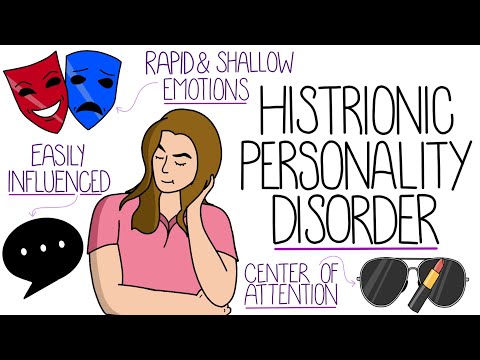
So, let’s chat about something that might sound a bit intense: Histrionic Personality Disorder. You might have heard the term tossed around, but what does it really mean?
Imagine someone who craves attention like it’s oxygen. They’re charming, dramatic, and can flip the mood in a room just like that! It can be fascinating and frustrating all at once.
It’s not just about being extra—the emotional rollercoaster can impact relationships and day-to-day life. You know what I mean?
Let’s break it down together, so you get a clearer picture of what’s behind that dramatic flair. Sounds good? Cool!
Understanding Histrionic Personality Disorder: Do Those Affected Recognize Their Condition?
Understanding Histrionic Personality Disorder (HPD) can be a bit of a rollercoaster. It’s one of those personality disorders where people tend to have an overwhelming need for attention and often act in ways that are dramatic or theatrical. But here’s the thing: do those affected actually recognize their condition? Let’s break it down.
To start, people with HPD are often super charming and outgoing. You might notice them as the life of the party, always seeking to be in the spotlight. They might wear flashy clothes or tell exaggerated stories to keep everyone focused on them. That’s just part of how they operate. It can seem fun at first, but there’s a deeper layer.
Now, recognizing their condition can be tricky. Many individuals with HPD don’t really see their behavior as problematic. Instead, they might feel misunderstood or think that everyone else is just not getting them.
Think about it this way: if you’re always seeking attention and validation, you might not realize how that affects your friends or family. Or maybe you think you’re just being yourself! It’s tough when your self-image is so tightly linked to being the center of attention.
Another big piece is emotional sensitivity. People with HPD often have strong emotions but struggle to understand why they react in certain ways. This emotional rollercoaster can leave them feeling vulnerable and confused, leading them to cling even more to attention-seeking behaviors.
So what does this mean for recognition? A lot of folks with HPD may not fully grasp the impact of their actions unless someone points it out—and even then, they might become defensive or dismissive because change feels scary.
In therapy contexts, things can shift a bit. When someone with HPD begins therapy—perhaps because relationships are struggling—there’s an opportunity for self-reflection and growth. With a solid therapist guiding them, they might start recognizing patterns in their behavior more clearly over time.
But it’s important to remember that self-awareness doesn’t happen overnight; it’s usually a gradual process filled with ups and downs. Sometimes, there’s resistance; other times, breakthroughs happen that make everything click for them.
So while some individuals with Histrionic Personality Disorder may eventually recognize aspects of their behavior through therapy or feedback from trusted sources, many don’t see things clearly right away—or ever! Emotional responses are intense and coping mechanisms run deep; changing that takes time.
In short, navigating life with HPD means constantly balancing between seeking attention and recognizing the effects it has on themselves and others around them—it ain’t easy! Finding support along the way is key; after all, we all could use a little help sometimes!
Understanding Histrionic Personality Disorder: Definition, Symptoms, and Impact on Mental Health
Understanding Histrionic Personality Disorder
So, let’s talk about **Histrionic Personality Disorder (HPD)**. This is one of those personality disorders that often gets a bad rap, but when you really break it down, there’s more to it than just being dramatic. Imagine someone who feels like they must be the center of attention all the time. That’s what people with HPD often experience.
Definition: Histrionic Personality Disorder is characterized by a pattern of excessive emotionality and attention-seeking behavior. Basically, the need for approval and validation can overshadow everything else in their lives.
Symptoms: Here are some key symptoms people with HPD might show:
- Attention-seeking: They may go to great lengths to draw attention to themselves.
- Emotional expressiveness: Their emotions might seem exaggerated or rapidly shifting.
- Physical appearance: They can be overly concerned with their looks and may dress in a way that’s meant to attract attention.
- Suggestibility: Often vulnerable to the influence of others or easily swayed by other people’s suggestions.
- Theatricality: They might tell stories in a dramatic way, almost like they’re performing, even in everyday situations.
Let me tell you a quick story. I once knew someone who always had to be the life of the party. If there was a gathering, their entrance was basically an event! However, when they weren’t getting enough attention or were ignored for too long, they would become visibly upset or do something outrageous just to get everyone looking their way again. It wasn’t about being rude; it was like they genuinely couldn’t help it.
The Impact on Mental Health: Living with HPD can seriously affect someone’s mental health and relationships. Those constant needs for validation can lead to frustration and anxiety when they don’t get the attention they’re craving.
Many people with HPD may also struggle with feelings of worthlessness if they don’t feel desired or noticed. It can create an exhausting cycle where they seek out interaction but then end up feeling empty when interactions don’t fulfill them.
Also, relationships often take a hit because partners or friends might feel overwhelmed by those needs for attention. Over time, this can cause misunderstandings and conflicts that make relationships harder to maintain.
In summary, Histrionic Personality Disorder isn’t just about being dramatic; it’s about deep emotional struggles wrapped up in that need for recognition and affirmation. If you’re wondering why someone acts the way they do in social settings or why interactions seem so intense—well, understanding HPD could provide some clarity on those behaviors… For sure!
Understanding Histrionic Personality Disorder: Signs, Causes, and Treatment Options
Sure! Here’s a breakdown of Histrionic Personality Disorder (HPD) that’s clear and packed with useful info.
What is Histrionic Personality Disorder?
HPD is a mental health condition marked by an ongoing pattern of excessive emotionality and attention-seeking. People with this disorder often crave attention and want to be noticed, even if it means acting out or being dramatic.
Signs and Symptoms
So, what do you actually look for? Here are some common signs:
- Excessive Emotional Expression: You might notice someone who changes emotions very quickly or seems to exaggerate feelings.
- Need for Approval: There’s often a strong desire for validation from others. It can make normal interactions feel like performances.
- Flirtatious Behavior: This might involve provocative behavior or dressing in a way that draws attention.
- Dramatic Storytelling: They often tell stories in a way that makes them the center of attention, sometimes even embellishing details.
- Sensitive to Criticism: Even light criticism can provoke strong reactions, which might seem disproportionate to the situation.
Causes of HPD
The exact cause isn’t super clear, but it usually involves a mix of genetic, environmental, and psychological factors.
- Genetics: Some studies suggest there might be hereditary components that increase the likelihood of developing HPD.
- Your Environment: Growing up in environments where affection is conditional can lead someone to develop attention-seeking behaviors as a coping mechanism.
- Psycho-social Factors: Sometimes trauma or significant life events can influence personality development, contributing to HPD characteristics.
Treatment Options
Now, here’s where things get interesting—treatment isn’t one-size-fits-all!
- Therapy: Talk therapy is usually the first line of attack. Cognitive Behavioral Therapy (CBT) can help patients recognize and change their patterns of thinking and behavior.
- Psychoeducation: Learning about the disorder itself can help people understand their feelings and motivations better. Knowledge is power!
- Medication: There isn’t any medication specifically for HPD; however, if someone has symptoms like anxiety or depression alongside it, medication may be prescribed as part of treatment.
A Personal Touch
Imagine knowing someone who always seemed “on.” Like every time you met up, they had to be the star of the show. You could feel their need for validation almost pulsating through the room! That kind of vibe can drain friends over time.
So, let’s chat about histrionic personality disorder (HPD), which, if we’re being real, can sometimes get a bit of a bad rap. This disorder is all about how people crave attention and validation, often in pretty dramatic ways. You know that friend who always seems to be the center of attention at every gathering? Or the one who tells super exaggerated stories just to keep everyone engaged? Yeah, it can feel like they’re putting on a show sometimes.
To put it simply, individuals with HPD often have this overwhelming desire to be noticed and may go to great lengths to make that happen. Think spontaneous dance moves in the middle of a party or wearing bright clothes that scream for attention. But here’s the catch: it’s not just about being showy for fun; there’s usually a lot more going on beneath the surface. They might be struggling with feelings of inadequacy or fear of rejection. It’s like they’re trying to fill this emptiness inside with all that sparkle.
I remember this one time when I was at a friend’s birthday bash, and there was this guy who just couldn’t stop telling these outrageous tall tales. At first, everyone was laughing and having a good time, but soon folks started getting kind of uncomfortable—you could sense they were questioning what was real and what wasn’t. It made me realize how tough it can be for someone living with HPD. When you’re constantly seeking approval or affirmation from others, it can feel exhausting and isolating.
Now, when we think about mental health treatment for someone with HPD, therapy is often the way to go—specifically types like cognitive-behavioral therapy (CBT). This form encourages them to recognize unhealthy patterns and figure out healthier ways to cope with their emotions and relationships. But here’s the thing: treatment isn’t always easy. Many people might not even realize their behaviors are tied to something deeper or might resist looking inward because… well, who wants to dive into that mess?
It’s important for us as friends or family members not to judge too quickly or dismiss their need for attention as simply being overdramatic. Instead, understanding where those behaviors come from can lead us towards compassion rather than frustration. Everyone has their battles; sometimes they just look different than what we expect.
In short, dealing with something like HPD requires patience—both from those experiencing it and from those around them. And while seeking help is vital, understanding plays an equally big role in fostering connections that feel safe and supportive—something we could all use a little more of these days!