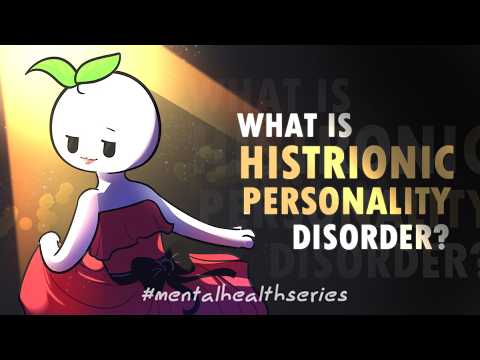
You ever meet someone who just seems to need the spotlight all the time? Like, everything is a drama. That’s kinda what we’re diving into here. Histrionic personality traits are all about that craving for attention and approval.
It’s wild how these traits shape relationships and emotional experiences. Seriously, navigating life with these tendencies can be a rollercoaster. You might find yourself thinking, “Why do they act like this?”
We’ll chat about those traits, the ups and downs, and how they can mess with your head and your heart. It’s all connected, you know? So let’s break it down together!
Understanding Histrionic Men: Traits, Behaviors, and Insights
When we talk about histrionic personality disorder, it’s essential to grasp what that means, especially when it comes to men. A lot of the traits related to this condition can really influence how someone behaves in their relationships and daily life.
So, what exactly are these traits? Well, here’s a rundown:
Okay, so you see these traits in action! Imagine meeting a guy who’s just so eager to impress you. He might spend hours talking about his achievements but struggles to keep his connections deep and meaningful.
But why does this happen? The roots of histrionic behavior often go back to early experiences, maybe not feeling loved or valued as a child. So they develop these patterns as a coping mechanism—essentially seeking validation from others.
Now let’s talk about how this impacts their lives:
It can create chaos not just for them but also for those around them! Picture being friends with someone who constantly needs reassurance—a lot of emotional labor for everyone involved.
The good news? Therapy can really help! They might learn healthier ways to cope with feelings and build more genuine relationships without needing constant applause.
In short, understanding histrionic men means diving into that mix of charm and emotional depth—or sometimes lack thereof! It’s about seeing the whole person beyond just the flashy exterior, and realizing there are deeper emotional currents at work too.
So next time you encounter those dramatic stories or over-the-top gestures, remember: there could be more beneath than meets the eye!
Understanding Mental Illnesses That Mirror Narcissism: Key Insights for Better Awareness
So, when we talk about mental illnesses that look a lot like narcissism, it’s hard not to dive into the whole world of personality traits and how they can really shape behaviors. One of the key players in this area is Histrionic Personality Disorder (HPD). Let’s break it down a bit.
Histrionic Personality Traits often involve being overly dramatic or emotional. Think of someone who thrives on attention, making every moment feel like a performance. It’s not just about wanting to be the center of attention; it’s about needing it, you know?
What happens is this constant need for approval can lead to some pretty rocky relationships. Partners might feel overwhelmed or even manipulated sometimes because the person with HPD may jump from one emotion to another without warning.
On top of that, there’s a fascinating overlap between HPD and Narcissistic Personality Disorder (NPD). Narcissism is more about feeling superior to others and demanding admiration, while those with HPD are more focused on being seen and validated by anyone around them.
Sometimes these emotional ups and downs can make life feel chaotic for them as well as for those close by. Picture this: A friend who seems like they’re always at the peak of happiness but then suddenly crashes down into despair—all wrapped up in how others perceive them.
Another thing is that they might struggle with self-esteem issues underneath all that flair. Just imagine wanting people to say you’re great but feeling uncertain about who you really are without their validation.
Understanding histrionic personality traits gives us a clearer picture of why someone behaves the way they do. It also encourages compassion—it helps us see there’s usually more beneath the surface than what we initially observe.
If we’re going to make strides in understanding mental health better, recognizing these traits is a solid place to start! Seeing someone acting overly dramatic? Maybe it’s worth considering what’s at stake for them emotionally—because sometimes it’s not just an act; it could be a cry for help or connection amidst all the noise.
Understanding Histrionic Personality Disorder: Tips for Living Harmoniously with a Loved One
Histrionic Personality Disorder (HPD) can be a tough nut to crack, both for the person experiencing it and for their loved ones. Basically, people with HPD often crave attention and show heightened emotional expressions. They might come off as super dramatic or excessively concerned about others’ opinions. Understanding these traits is the first step towards living harmoniously with someone who has HPD.
Let’s dive into some of the more common traits of Histrionic Personality Disorder:
- Excessive Emotionality: People with HPD often express their emotions in a very vivid way. Picture a friend who always seems to steal the spotlight during conversations, turning even mundane stories into full-on dramas.
- Attention-Seeking: A big part of HPD is wanting to be noticed. You might find they do things that are flashy or over-the-top just to make sure everyone is looking their way.
- Easily Bored: If they’re not constantly engaged or stimulated, things can get a bit messy. This could mean mood swings or jumping from one interest to another quickly.
- Highly Suggestible: People with HPD can be easily influenced by others. Imagine being swayed by what peers say, which can lead them down paths you might not always agree with.
Dealing with these traits can be challenging but totally doable! Here are a few tips for living harmoniously:
- Practice Patience: It’s important to remember that their need for attention isn’t meant to annoy you personally. When they’re seeking validation, try not to take it too personally.
- Create Open Lines of Communication: Encourage them to express how they feel without judgment. Just listening can make a huge difference in how connected you feel.
- Acknowledge Their Feelings: Sure, sometimes emotions may seem overblown, but acknowledging what they’re feeling can help them feel heard and validated.
- Set Boundaries: It’s cool to support your loved one but also essential to establish healthy boundaries—so both of you don’t end up feeling drained.
I remember a friend who had a sibling with HPD. Their family dinners were like mini soap operas! But my friend learned that if he simply recognized his sibling’s feelings without getting sucked into the drama, things improved massively. He found that lovingly redirecting conversations could ease some tension and help everyone enjoy their time together more.
Building an understanding of Histrionic Personality Disorder isn’t just about coping; it’s also about celebrating your loved one’s vibrant personality while still taking care of yourself too! Remember, it’s all about balance—supporting someone doesn’t mean losing yourself in the process.
So, let’s chat about histrionic personality traits. You know, those characteristics that can make someone seem really dramatic, overly emotional, or even a bit attention-seeking? It’s interesting because these traits can totally shape how someone interacts with the world and their own inner life.
Picture this: you’re at a party. There’s that one person who just lights up the room. They’re telling stories in a super animated way, making everyone laugh and feel engaged. But behind that bubbly facade, there might be some deeper stuff going on. Like they might genuinely crave validation and fear not being the center of attention. It’s like their whole mood hinges on how others react to them.
People with these traits often struggle to maintain relationships. It’s tough when your self-worth feels tied to others’ opinions, right? Imagine feeling like you need to perform to feel loved or accepted. I had a friend who was like this — always the life of the party but incredibly anxious when the spotlight shifted away from them. Over time, it wore them down, leading to some pretty intense emotional ups and downs.
Psychologically speaking, this need for attention can sometimes stem from an underlying fear of being ignored or rejected. It’s kind of heartbreaking when you think about it. When you rely so much on outside approval for your self-esteem, it can create this cycle of anxiety and hurt when people don’t respond in the way you hope.
And there’s more! These traits can lead to conflicts because people with high levels of histrionic traits might feel misunderstood or even criticized for being “too much.” When they’re labeled as overly dramatic or shallow, it can hurt — even if those descriptions come from a place of concern.
Therapy can help folks with these traits find healthier ways to express themselves and build solid connections without feeling like they have to put on a show all the time. But getting there isn’t easy; it takes work and openness to confront those feelings head-on.
So yeah, while histrionic personality traits can be colorful and captivating on the surface, there’s often a lot more beneath that facade. It reminds us all how complex human emotions are—and how important it is to look beyond what’s right in front of us.