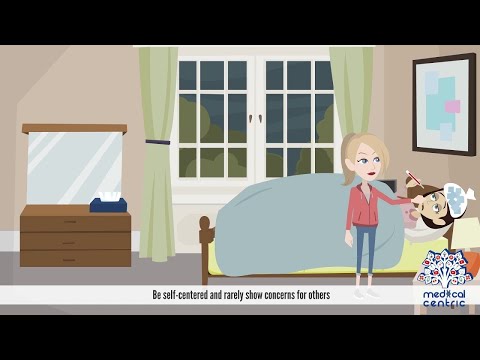
So, let’s chat about something a bit quirky—histrionic personality. Sounds fancy, right? But the truth is it’s more common than you might think.
Ever met someone who always seems to be the center of attention? You know, the friend who loves being in the spotlight or craves drama like it’s candy? That’s kinda what we’re talking about here.
It’s one of those terms that can make you raise an eyebrow. But really, what does it mean? How does it affect people and their relationships?
Well, let’s break it down together. It might just shine a light on some interesting behaviors you’ve noticed, maybe even in yourself or someone close to you!
Understanding Histrionic Personality Disorder: Meaning, Symptoms, and Insights in Psychology
Understanding Histrionic Personality Disorder might seem a bit complex at first, but let’s break it down together. This disorder is kind of like when someone craves attention so much that it becomes a way of life for them. You see people like this being super dramatic, always ready to be in the spotlight, and often acting out in ways that can feel a bit overwhelming.
So, what are the symptoms? Well, here are some signs you might notice:
- Excessive Emotions: They can be really theatrical, acting as if every feeling is the end of the world.
- Seeking Attention: You might see them doing outrageous things just to get noticed.
- Flattering Others: They may use charm to get people to pay attention or like them.
- Shifting Emotions: Their feelings can change rapidly—one moment they’re ecstatic, then suddenly sad.
- Tendency to Be Easily Influenced: Sometimes they go along with what those around them want just for approval.
Just holding that thought for a second—imagine a friend who always seems to turn every conversation back to themselves. Even when you try sharing something important, somehow it circles back to their experiences. It gets exhausting, right? It’s that constant need for validation that can strain relationships.
Now, let’s chat about the psychological perspective. Histrionic Personality Disorder is classified within a group known as “Cluster B” personality disorders. These folks often have intense emotional responses and can be perceived as unpredictable. It’s not just about being dramatic; there’s often an underlying fear of not being valued unless they’re in the limelight.
Anecdotally speaking, I once knew someone who fit this mold perfectly. Anytime there was a gathering or event, they’d go all out—over-the-top outfits and grand gestures just to grab everyone’s attention. Sure, it was entertaining at first! But eventually, it became clear how much they struggled with genuine connections because everything had to be about their performance.
And here’s another thing—people with this disorder often don’t see anything wrong with their behavior; they think everyone else is the issue! So challenging these patterns in therapy takes patience and understanding.
When it comes to treatment options though? Therapy is crucial; cognitive-behavioral therapy (CBT), specifically tailored approaches help individuals recognize their patterns and work toward healthier ways of relating to others.
In summary, Histrionic Personality Disorder isn’t just about being flamboyant or seeking drama. It’s an emotional state rooted in deeper needs for acceptance and validation. Understanding this condition helps create compassion—not only for those living with it but also for ourselves when we feel overwhelmed by their needs or behaviors.
Understanding Histrionic Personality Disorder: Key DSM-5 Criteria Explained
Understanding Histrionic Personality Disorder is essential if you or someone you know is grappling with emotional challenges. This disorder is part of a group called personality disorders, and it’s characterized by a pattern of excessive attention-seeking behaviors and intense emotions.
So, what are the key criteria from the DSM-5 that help define this condition? Let’s break it down.
1. Uncomfortable when not the center of attention: People with Histrionic Personality Disorder often feel really uneasy if they’re not being noticed. Imagine being at a party where everyone’s chatting, but no one seems to be paying attention to you. For someone with this disorder, that kind of situation can feel unbearable.
2. Inappropriate seduction: This means they might use their appearance inappropriately to draw attention. You could see this in someone who flirts excessively or dresses in an overly provocative way, even when it doesn’t fit the setting.
3. Rapidly shifting emotions: Emotions can change quickly for these individuals, often going from ecstatic to down in no time flat. It’s like riding a roller coaster—one moment they’re on top of the world, and the next they feel completely abandoned or disregarded.
4. Use of physical appearance to draw attention: Many people with this disorder might have a heightened focus on their looks, sometimes spending tons of time getting ready or obsessing over how others perceive them.
5. Style of speech that’s excessively impressionistic: This means their conversations can lack depth and are often more about getting attention than conveying real thoughts or feelings. You might hear lots of storytelling that seems exaggerated or theatrical.
6. Dramatic and theatrical behavior: They tend to be very expressive and animated—a bit over-the-top at times! It’s like watching someone act in a play; everything feels larger than life.
7. Easily influenced by others: Individuals may take on others’ opinions quickly without much critical thinking because they want approval and affection from those around them.
8. Consider relationships more intimate than they actually are: Sometimes, people with Histrionic Personality Disorder might believe their connections are deeper than they truly are—like treating an acquaintance as if they were their best friend just because they’ve shared some laughs.
Living with Histrionic Personality Disorder can be tough—not just for those who have it but also for loved ones trying to understand them better. It’s vital that support systems are in place so that these individuals don’t feel isolated or misunderstood.
And while this disorder can present challenges, effective therapy options like cognitive behavioral therapy (CBT) can help manage symptoms and improve relationships over time. So if you or anyone you know resonates with these criteria, remember there’s hope and support available out there!
Understanding Histrionic Personality Disorder: A Simple Explanation
Histrionic Personality Disorder, or HPD, is one of those phrases that can sound a bit daunting at first. Basically, it’s a mental health condition where a person tends to be very emotional and attention-seeking. You might notice these folks often feel uncomfortable when they’re not the center of attention.
So, what does that look like? Well, people with HPD might dress in an overly flashy way or act dramatically to grab others’ attention. Picture someone who walks into a room and immediately starts telling a loud story, even if it doesn’t really fit the moment. You follow me? It’s all about that spotlight.
Another key thing to understand about HPD is how emotions work for these individuals. They often experience their feelings intensely—like really intense! One minute, they can be happy and bubbly; the next, they might feel deeply hurt or rejected. It’s like riding an emotional rollercoaster without knowing where the next turn will take you.
Here are some typical features of Histrionic Personality Disorder:
- Constantly seeking approval or reassurance from others.
- Being easily influenced by other people around them.
- A tendency to exaggerate emotions or situations.
- Using physical appearance to draw attention.
Imagine someone always needing compliments on their outfit or performance at work just to feel good about themselves—that’s part of what’s going on here. That need for validation can sometimes overshadow everything else in their lives.
Now, it’s worth noting that this doesn’t mean these individuals are “fake” or “crazy.” Seriously! They often have very real feelings and struggles but express them in ways that can seem over-the-top to others. Just because someone has HPD doesn’t mean they don’t care; actually, many care deeply but struggle with how they show it.
People with Histrionic Personality Disorder might also find themselves in relationships filled with drama—think intense ups and downs but often lacking deeper connections. You know those friendships that start off strong but fall apart as soon as things get tough? Yeah, that’s not uncommon here.
So how do you handle someone who has HPD? Well, patience is key! It’s essential to understand where they’re coming from while also setting healthy boundaries so their needs don’t overwhelm you. Basically, being supportive without losing your own sense of self is crucial.
It can be tough for anyone living with Histrionic Personality Disorder and those around them. But understanding how this disorder works is the first step toward fostering compassion—for both yourself and the individual affected by it.
You know, when you first hear about Histrionic Personality Disorder (HPD), it can sound a bit dramatic, right? I mean, the term itself—»histrionic»—comes from the word «histrionics,» which is often associated with theatrical performances. And isn’t it interesting to think about how we all have a tendency to perform to some extent? We wear different masks in different situations. But for some folks, this tendency takes a bit of a wild turn.
People with HPD often crave attention and can be super concerned with how they’re perceived by others. It’s like they’re living in a constant spotlight and need that admiration to feel good about themselves. It might show up as being overly emotional or using seductive behavior just to keep all eyes on them.
I remember talking with a friend once who had a roommate that seemed to embody this. Whenever they went out, she’d dress in the most eye-catching outfits and always cracked jokes that were just a bit too much—like she was auditioning for some big role. At first, it was entertaining, but over time, it felt kind of exhausting. She needed validation from everyone around her. My friend felt drained trying to support her, and you could tell there was always this underlying sadness when the spotlight dimmed.
Defining HPD more technically, it’s one of those personality disorders listed in the DSM-5 (that’s the diagnostic manual for mental health). This disorder usually showcases traits like being excessively emotional and needing constant approval or attention from others. In conversations, folks with HPD might exaggerate emotions or stories just to keep others engaged—it’s like they amplify their experiences so much that you start to wonder what’s real and what’s not.
But here’s where it gets tricky: while these behaviors might seem out there at times, focus less on judgment and more on understanding. People with HPD are often dealing with deep-seated insecurities; their behavior is like smoke signals for help rather than simple attention-seeking antics.
So yeah, while HPD can be complex and sometimes frustrating for friends and loved ones, at its core is a person searching for connection—often in really intense ways because that’s how they’ve learned to cope with their feelings of inadequacy. It’s pretty fascinating how our brains work differently! And hey, next time you encounter someone who seems larger-than-life or constantly seeking approval, try to remember that there may be more beneath the surface than what meets the eye.