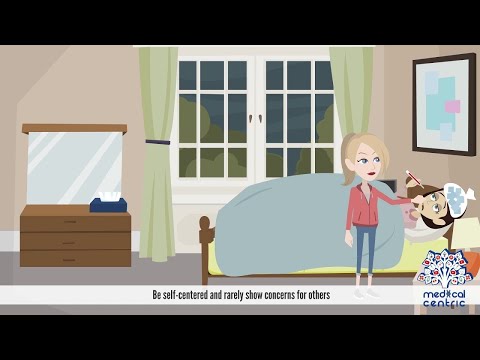
Hey! So, let’s talk about something kind of interesting: histrionic symptoms. You know, those behaviors where people seem to crave attention like it’s candy? It can be a wild ride.
Imagine someone who always needs to be the center of attention. They might throw a fit or go overboard with drama, just so everyone notices them. It’s like they’re living in a never-ending performance.
But there’s more beneath the surface, trust me. It’s not just about being theatrical. There are emotional layers that can surprise you. Sometimes, it comes from deep-rooted insecurities or fears.
Stick around! We’re gonna break down what histrionic symptoms really look like and what they mean for the folks experiencing them. Plus, it might just help you understand some people in your life who have a flair for the dramatic!
Understanding Attention-Seeking Behaviors in Histrionic Personality Disorder: Key Insights and Examples
Understanding Attention-Seeking Behaviors in Histrionic Personality Disorder can be quite the journey. So, let’s dig into this, shall we?
Histrionic Personality Disorder (HPD) is a mental health condition characterized by a strong need for attention and excessive emotionality. People with HPD tend to be very focused on being noticed and may go to great lengths to ensure they’re the center of attention. It’s not just about wanting validation; it’s more like they thrive on it. Think of it as needing that spotlight all the time.
Now, what are some key traits associated with HPD? Well, here are a few:
- Excessive Emotionality: Individuals often display intense emotions that can seem exaggerated or insincere.
- Provocative Behavior: They might dress or act in ways that seek to draw attention from others.
- Concern with Appearance: There’s usually a strong focus on physical looks as a way to gain admiration.
- Theatricality: Their responses can feel overly dramatic or theatrical, almost like they’re performing.
You might wonder why people behave this way. For them, seeking attention feels necessary for self-worth. Imagine feeling invisible unless you’re being praised or looked at—pretty tough, right?
Consider an example: Picture someone who enters a room and immediately tells an outrageous story. They want everyone laughing and looking their way because that’s how they feel valued. Without that kind of interaction, they might feel lost or anxious.
When talking about relationships, individuals with HPD often struggle too. The constant need for admiration can push people away rather than draw them near. It could be frustrating for friends who just want some peaceful moments without drama.
But here’s the thing—underlying insecurity drives these behaviors. Deep down, many have feelings of inadequacy that fuel their need for attention. It’s not just about wanting a compliment; it’s about proving their worth in social situations.
In therapy settings, addressing these behaviors means exploring underlying issues and feelings of worthiness. It’s about helping them find value outside of others’ perceptions.
So yeah, while understanding Attention-Seeking Behaviors in Histrionic Personality Disorder might seem complex at first glance, breaking it down shows how intertwined emotions and needs really are in this condition!
Understanding Relationship Dynamics: Interactions of Individuals with Histrionic Personality Disorder
Understanding someone with Histrionic Personality Disorder (HPD) can feel a bit like walking a tightrope. Individuals with this disorder crave attention, often behaving in ways that draw others in. But what’s really going on beneath the surface? Let’s break it down.
People with HPD often exhibit an overwhelming need for approval and validation. They’ll go to great lengths, sometimes acting dramatically or flirtatiously, to ensure they are the center of attention. This behavior can be exhausting for those around them. You might find yourself asking, “Why do they always need to be noticed?” Well, it’s tied to their core belief that their value comes from being seen and admired.
Another key aspect is how they express their emotions. They tend to be very expressive but can switch from one emotion to another pretty quickly. One minute they’re exuberant, and the next, they’re sulking if they feel overlooked. Imagine being at a party where someone suddenly switches from laughter to tears because no one paid attention to them for a few moments—it can be confusing!
In relationships, these dynamics can create a rollercoaster effect. Partners might feel idealized at first—like they’re the only one who matters—but may later feel burdened by the constant need for reassurance and admiration. It’s kind of like dating someone who constantly needs you to say how amazing they are but then flips when you forget or get distracted.
Let’s consider some common behaviors associated with HPD:
- Attention-seeking: This could mean dressing flamboyantly or telling dramatic stories.
- Emotional expression: Their feelings might look exaggerated; excitement can quickly turn into anger if they’re not getting enough attention.
- Dependency: They often rely heavily on others for emotional support and validation. You might catch yourself feeling drained trying to meet those needs.
- Difficulty maintaining relationships: Their intense behavior can push people away over time.
You know how it feels when you’re trying your best to connect but it seems like they’re constantly on stage? It can really wear you down emotionally.
While understanding these dynamics is important, it’s also crucial to recognize that individuals with HPD aren’t just seeking drama; there’s often deep-seated insecurity behind all that bravado. In therapy settings, helping them build self-esteem and find healthier ways of connecting with others is essential.
If you’re close to someone with HPD, remember self-care is vital too! It’s easy to feel overwhelmed by their needs and behaviors. Make sure you take breaks when needed and set boundaries where necessary.
So basically, connecting with someone who has Histrionic Personality Disorder involves navigating their need for attention while also managing your own emotional health. It’s challenging but definitely possible with openness and understanding!
Understanding Histrionic Personality Disorder: Symptoms, Causes, and Treatment Options
Understanding Histrionic Personality Disorder can feel a bit overwhelming, but let’s break it down together. This disorder is all about emotionality and attention-seeking behavior. People with this condition often crave being the center of attention and can be pretty dramatic in their expressions.
Symptoms of Histrionic Personality Disorder (HPD) include a few key behaviors:
- Being overly concerned with appearance and seeking approval through looks.
- Exaggerated emotions, where they may seem theatrical or overly sensitive.
- A tendency to be easily influenced by others, like shifting opinions based on who they’re talking to.
- Constantly needing reassurance or praise from others.
- Acting inappropriately seductive or flirtatious.
Imagine you’re at a party, right? There’s that one person who seems to have a spotlight glued to them, making sure everyone is watching their every move, even if it means flipping out over something minor just to keep eyes on them. That could be someone with HPD.
Now, when it comes to the causes, it’s not entirely clear. But like many mental health issues, it’s often a mix of genetics and environment. If someone had parents who were overly dramatic or rigid about how emotions should be displayed, they might learn these behaviors as coping mechanisms. Sometimes, early experiences that involved inconsistent attention can also play a role in shaping these traits.
Moving on to the good stuff: treatment options! You might wonder what happens if you or someone you know is dealing with this disorder.
Therapy is usually the main approach here.
- Cognitive Behavioral Therapy (CBT) helps by changing negative thought patterns and behaviors.
- Psychoanalytic therapy digs into emotional responses and past experiences to uncover the roots of these behaviors.
And sometimes medication like antidepressants can help manage associated symptoms like anxiety or depression but isn’t directly treating HPD itself.
It’s important for people with Histrionic Personality Disorder to work closely with a therapist who understands their needs. Building social skills and finding healthier ways to express emotions can really change the game for them.
So there you have it! Understanding this personality disorder involves recognizing the symptoms, considering possible causes, and knowing that therapy can lead toward healthier relationships and self-expression. You see how all those pieces fit together? It’s never too late for someone struggling with HPD to seek help or learn more about themselves!
So, let’s talk about Histrionic Personality Disorder (HPD) for a sec. You know how sometimes you meet people who always seem to be the center of attention? Like they really thrive on being in the spotlight, almost to an exaggerated level? Well, that’s kind of what HPD is all about.
People with this disorder often crave attention and can go to great lengths to get it. And it’s not just about wanting praise or recognition. Sometimes their behavior can be really dramatic—like an over-the-top performance in a play or just a constant need for reassurance from others. You might see them changing their mood quickly, maybe even being overly emotional or theatrical when talking about something that matters to them.
I remember a friend of mine from college, let’s call her Mia. Mia was always the one throwing parties and making sure all eyes were on her. At first, it was fun; everyone loved her energy! But then I noticed how often she needed validation. If someone else got more attention at an event, she’d pull some crazy stunt to steal it back—like jumping up on a table during karaoke night just to get people clapping again. You could feel the shift in the room; it was like a spotlight flicked off her and she couldn’t stand it.
But here’s where it gets a bit complicated: behind those flashy behaviors might lie deeper insecurities. Many folks with HPD struggle with feelings of inadequacy or emptiness when they’re not the center of attention; they’re not just «acting out» for fun but are trying to fill some emotional void.
Now, I’m not saying everyone who loves being in front of people has HPD—it’s way more nuanced than that. Sometimes traits can show up without qualifying as a disorder; we all have moments where we want attention or feel insecure! But if those behaviors start affecting relationships or day-to-day life significantly? That’s when things need some closer examination.
Therapy can help folks with these symptoms navigate their emotions better and develop healthier ways to connect with others without relying solely on dramatics or theatrics. It’s all about finding balance, you know? So if you spot these patterns in yourself or someone close to you, don’t hesitate to look into it further—understanding emotions is key! Plus, knowing what drives us helps us relate better and build more genuine connections with each other.