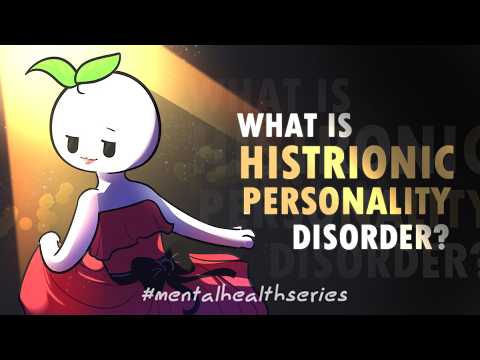
You ever meet someone who just seems to thrive on being the center of attention?
Like, they walk into a room and instantly know how to turn heads. It’s kind of magnetic, right? But there’s a flip side to that charm.
Sometimes, those larger-than-life personalities can point to something deeper.
Histrionic traits pop up in some folks, and figuring them out is like opening a box of mixed emotions.
They’re not inherently bad; it’s just a way people express themselves.
So, let’s chat about what it all means in the context of mental health. You in?
Understanding Histrionic Personality Disorder: A Guide to Diagnosis and Symptoms
Histrionic Personality Disorder (HPD) is one of those conditions that often gets tossed around, but let’s really break it down. Basically, it’s all about patterns of excessive emotionality and attention-seeking. People with HPD tend to feel uncomfortable when they’re not the center of attention, and that can lead to some pretty wild behaviors.
So what does this look like in real life? Well, lots of people with HPD might dress in a way that grabs eyes or use their looks to get noticed. You know those folks who can light up a room just by walking into it? Sometimes it’s magnetic, other times it’s just… a bit much.
When we talk diagnosis, the criteria can be quite specific. According to the DSM-5 (that’s the manual mental health pros use), here are some signs:
- Constantly seeking attention: If they’re not in the limelight, it’s like they’re floundering.
- Exaggerated emotions: Think drama queen or king! They might react way more intensely than the situation calls for.
- Suggestible nature: Their opinions could change based on what others say—like a chameleon!
- Overly concerned with physical appearance: They might obsess over looking perfect or being attractive.
- Easily influenced: It doesn’t take much for them to switch their views if someone else has a strong opinion.
- Views relationships as more intimate than they actually are: They might act like you’re best friends after one coffee date.
It’s a lot right? It can be draining for both them and those around them. Imagine being friends with someone who craves your attention all the time. You’d probably feel tugged in every direction.
Consider Sarah—a fictional character but so relatable. She always dresses to impress and seems fun at first. But over time, her need for constant attention can get overwhelming. You might have seen her get upset when someone else shares good news; her reaction is super dramatic because she feels overshadowed.
Now, about getting diagnosed—it usually happens through interviews and assessments by trained pros who know what they’re looking for. Often, HPD surfaces in early adulthood and may co-occur with other conditions like anxiety or depression.
So there you have it—a glimpse into Histrionic Personality Disorder and its quirks. Understanding those traits helps not only in identifying HPD but also in offering compassion towards those living with such intense emotions and needs for validation. It’s tough out there!
Effective Strategies for Discussing Histrionic Personality Disorder with a Loved One
Discussing Histrionic Personality Disorder (HPD) with a loved one can feel pretty daunting, especially if you care about them and want to help. It’s like walking on eggshells sometimes, right? But with the right strategies, you can tackle these sensitive conversations without losing your mind.
First off, it’s important to understand what HPD is. People with this disorder often crave attention and may display dramatic behaviors. This can manifest as being overly emotional or seeking reassurance constantly. If your loved one exhibits these traits, it might make everyday interactions complicated.
Now, let’s get into some solid strategies for having these discussions:
- Choose the Right Time and Place: Timing is everything. Look for a calm moment when you’re both relaxed—maybe over coffee at home or a quiet park, rather than in the middle of an argument!
- Be Compassionate: Approach the conversation with kindness. You might say, “I care about you and I’ve noticed you seem to feel really strong emotions sometimes.” This way they don’t feel attacked.
- Avoid Labels: Try not to directly label their behavior as HPD. It could come off as judgmental. Instead, focus on how certain actions make you feel—like “When you seek attention during our family gatherings, it makes me feel uncomfortable.”
- Encourage Open Communication: Make it clear that you’re there to listen. Ask open-ended questions like, “How do you feel when others don’t pay attention to what you’re saying?” This opens the door for them to express more about their feelings.
- Highlight Shared Goals: Talk about practical ways they can manage their emotions or reactions. Maybe suggest goals together that lead to healthier interactions—like showing appreciation when someone listens.
- Offer Support: Make sure they know you’re on their side! Suggest that maybe talking to a therapist could be helpful for them too. Saying something like “I think talking to someone who understands can really help,” frames it positively.
Remember Sarah? She was always the life of the party but would become really upset if anyone didn’t notice her new dress or what she had done during the week. When her friend Alex gently pointed out how her reactions affected others’ perceptions of her—it opened up a huge conversation about feeling accepted and understood without needing constant applause.
So yeah, just keep in mind: patience is key here! You may not see immediate changes; that’s totally normal. Just being there—even if it feels awkward at times—can make all the difference in helping your loved one understand themselves better and foster healthier connections with others.
And seriously? Be prepared for some ups and downs along the journey. It’s all part of supporting someone dealing with HPD, but at least you’ll be equipped with strategies that matter!
Understanding Histrionic Personality Disorder: Do Individuals Recognize Their Symptoms?
Understanding Histrionic Personality Disorder (HPD) can feel a bit like peeling an onion. You think you’ve got a handle on it, and then, bam, there’s another layer. People often see HPD in terms of dramatic behavior and a strong need for attention. So, the question is: do individuals with this disorder even recognize their symptoms? Well, it’s complicated.
Individuals with HPD often crave attention and can be pretty charming. They might go out of their way to be the life of the party or wear flashy clothes to stand out. But here’s the catch: they might not realize that their need for attention is overwhelming or disruptive to others. In fact, they may view their behaviors as perfectly normal or even endearing.
When you talk about recognizing symptoms, it gets murky. Many people with HPD might have some insight into their actions but just don’t connect the dots fully. For example:
- Expressiveness: They tend to be overly expressive, crying or laughing dramatically during conversations, but they might think that’s just who they are.
- Attention-Seeking: Their constant need for validation could feel natural to them; after all, who doesn’t want a little love now and then?
- Shifting Emotions: Fluctuating between being really enthusiastic one moment and down the next can confuse both them and those around them.
So, here’s where it gets interesting: many times individuals with HPD are also dealing with other mental health issues—like anxiety or depression—and this overlap can make recognizing specific symptoms even harder.
It reminds me of a friend who always seemed to light up every room but would later express feeling empty when no one was around. She had this overwhelming need for admiration but didn’t quite grasp how her behavior affected her relationships. It was like she wore this sparkly mask that distracted from deeper feelings she wasn’t ready to face.
In therapy settings, bringing awareness to these traits is crucial; however, recognition doesn’t happen overnight. It takes time and sometimes expert guidance because self-awareness usually isn’t automatic in personality disorders like HPD.
So yeah, individuals may notice some quirks about themselves—but pinpointing those behaviors as part of a larger pattern is tricky unless someone shows them how those traits fit into the bigger picture of their lives and emotional experiences. Understanding Histrionic Personality Disorder isn’t just about labeling behaviors; it’s more about bridging that gap between self-perception and actual impact on relationships and well-being.
By fostering an open dialogue in therapy sessions or support groups—even with close friends—those dealing with HPD might begin to uncover layers of self-awareness they hadn’t recognized before. And that journey? It’s not just enlightening; it’s essential for developing healthier relationships in the long run!
Histrionic traits, wow, they can bring a whole mix of colors to the mental health conversation, right? It’s interesting how these traits show up in people. You might think of someone who craves attention or wants to be the center of focus all the time. It’s not just about being dramatic for drama’s sake; there’s a deeper layer there.
I once knew a friend who had some seriously histrionic traits. Let’s call her Sarah. She was just so vibrant and full of life—like a firework that could light up a room! But underneath that sparkle, you could sense some struggles. Whenever she felt ignored or overlooked, it was like her world turned upside down. She’d go from being super fun to needing reassurance and attention in less than five minutes. It was confusing sometimes.
The thing about histrionic traits is they often come with intense emotions and, let me tell you, that roller coaster can be wild! People may seem charming and engaging one minute and then overreacting or feeling empty when they’re not in the spotlight the next. Those ups and downs don’t just affect them but everyone around them too.
In mental health contexts, these traits can sometimes be misinterpreted as narcissism or other personality disorders. They can make relationships really tricky—like walking on eggshells during an emotional storm. It’s essential for therapists to dig deeper and figure out what’s really going on underneath all that exterior flair.
So when looking at histrionic traits, it’s important to remember: these are real feelings behind the flashy behavior. They’re crying out for validation and connection in their own way, even if it gets messy sometimes. The journey through therapy? Well, it often becomes about helping individuals find healthier ways to express themselves without feeling like they need an audience all the time.
In short, digging into histrionic traits reveals a lot about how we connect with ourselves and others. It’s like peeling back layers of an onion—sure there might be tears along the way, but getting to that core can lead to understanding and growth…and maybe even some healing too!