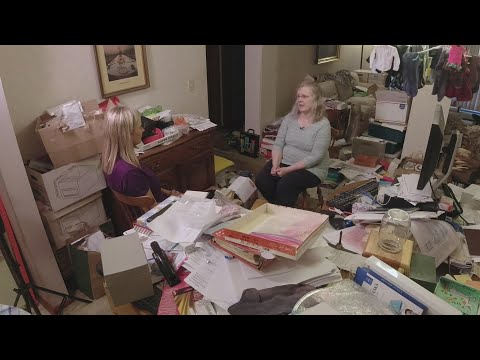
You know that feeling when you just can’t let go of something? Like, maybe a pair of shoes you haven’t worn in years or that old toy from your childhood?
Well, imagine living with that on a much bigger scale. That’s what hoarding is all about. It’s not just messy—it’s complicated and super emotional.
People who struggle with this condition often feel overwhelmed, anxious, and even ashamed. They want to make changes but find it so hard to actually do it.
It’s like being stuck in a tug-of-war between what they feel they need and the desire for a clearer space.
In this little chat, we’ll dive into what hoarding really means, explore its roots, and share some real stories that resonate. Ready? Let’s unpack this together!
Understanding the Early Signs of Mild Hoarding: Identifying the First Stage
Hoarding can seem like a quirky personality trait at first, but it’s way more complicated than that. Mild hoarding often doesn’t look like what you see on those crazy reality shows. Instead, it starts off quietly, almost sneakily.
So, what should you look for? Well, here are some early signs:
- Difficulty discarding items: You might find yourself hanging onto things that others would throw away without a second thought. It could be old magazines or even broken gadgets. Holding onto them feels like keeping a part of your past.
- Emotional attachment: It’s not just stuff; it’s memories. Maybe you can’t let go of that shirt from high school because it reminds you of good times. That emotional weight can make decluttering feel impossible.
- Disorganization: If your space is starting to feel cramped and messy—like you can hardly find your keys—this might be an early sign. Clutter builds up gradually and soon enough, it takes over.
- Avoidance: You might begin avoiding visitors or friends coming over because you’re embarrassed about the condition of your home. This feeling can lead to isolation, which isn’t great for anyone.
- Anxiety related to discarding: If just thinking about throwing something away gives you a wave of panic or guilt, it’s worth paying attention to how those feelings impact your day-to-day life.
This isn’t just about cleanliness; it speaks to deeper emotional or psychological issues. Imagine sitting in a room stuffed with boxes and clutter—it’s overwhelming! You might feel trapped in your own space.
Let’s talk about Bobby, for instance. He started collecting vintage toys as a kid but slowly began bringing home anything he found interesting—a random piece from the flea market here, an old comic book there. At first it was cool, but then his room turned into a maze of nostalgia and chaos! Bobby found himself stressed just looking for his bed.
Now here’s the kicker: mild hoarding doesn’t always escalate to severe hoarding disorder. Recognizing these early signs is crucial because they offer a chance to address things before they spiral out of control.
Finding support can really help too—whether through talking to friends or seeking professional help if things feel heavy. It’s all about making connections and understanding that you’re not alone in this struggle. So if any of this resonates with you or someone you know, don’t hesitate to reach out!
Understanding Hoarding: Can You Help Someone Overcome Their Challenges?
Hoarding can be a tough nut to crack, both for those who struggle with it and for the people who care about them. At its core, **hoarding disorder** isn’t just about collecting stuff—it’s deeply tied to emotions, memories, and sometimes even trauma. So, if you’re looking to help someone in your life who might be dealing with this challenge, understanding the emotional landscape is super important.
First off, let’s talk about what hoarding really is. It’s not just messy homes or overflowing closets. It’s a mental health condition where folks find it really hard to get rid of possessions—even if those things are broken or don’t have a clear use. **The refusal to part with items** stems from intense feelings of anxiety or distress at the thought of losing something that feels important.
You might be thinking, “Why can’t they just throw things away?” Well, that’s where things get complicated. Many hoarders have emotional attachments to their items; they see them as invaluable or even irreplaceable. They often feel overwhelmed and embarrassed by their situation but struggle with feelings of shame that keep them from seeking help.
When trying to assist someone with hoarding challenges, here are some thoughts:
- Listen without judgment. It’s crucial to create a safe space for them to share their feelings—free of criticism or pressure.
- Educate yourself. The more you know about hoarding disorder, the better support you can offer. It helps dispel myths and gives you tools for understanding their experience.
- Encourage professional help. A therapist who specializes in hoarding can provide tailored strategies like cognitive-behavioral therapy (CBT). This approach helps reshape negative thought patterns related to possessions.
- Small steps matter. Instead of tackling everything at once—which can feel overwhelming—help them set manageable goals. Maybe start with one room or one category of items at a time.
- Be patient. Change doesn’t happen overnight; it takes time and it might not be a straight path. Celebrate small victories along the way!
I remember talking with a friend whose mom was a hoarder. It was heart-wrenching seeing her struggle between wanting to help her mom clean up and feeling helpless as their home filled up more and more each year. The emotions were all over the place: love mingled with frustration and sadness when they found themselves stuck in this cycle.
While helping someone isn’t easy, being there as a supportive companion makes all the difference—instead of forcing change onto them, just walking alongside them through their journey is invaluable. Remember, you’re not alone in this challenge; there are resources out there for both you and your loved one.
So yeah, while tackling hoarding might seem daunting at first glance, it can definitely be approached step by step—with compassion leading the way!
Understanding the 5 Stages of Hoarding: A Comprehensive Guide to Recovery
Hoarding can feel like such a heavy burden, you know? It’s not just about clutter; it’s a psychological struggle that affects both the hoarder and their loved ones. Let’s break down the five stages of hoarding, so you can understand what’s going on and how someone might find their way to recovery.
Stage 1: Recognizing the Problem
The first step is often the hardest. Many people don’t see their behavior as an issue. They might think, “I’m just saving things for a rainy day.” But, when their home is overflowing, it starts to affect daily life. Like my friend Jenna: she had stuff piled high in her living room, making it hard to even sit down.
Stage 2: The Emotional Connection
In this stage, emotions play a huge role. The items hold significant meaning—you know, memories of important events or people. It’s not about the stuff itself, but what it represents. For instance, someone might save every ticket stub from concerts because each one reminds them of a special time with friends.
Stage 3: The Decision to Change
This stage is all about wanting to take action. It’s tough because change requires confronting those feelings tied to the objects. You have to start thinking about what truly brings joy and what weighs you down. Maybe they decide to declutter one room at a time instead of tackling everything at once—like picking out old clothes that no longer fit.
Stage 4: Seeking Help
This isn’t something most people can manage alone—getting support is crucial! They might reach out for therapy or join support groups where they find others who get it. Therapy often focuses on learning coping skills and developing healthier relationships with possessions.
Stage 5: Maintenance and Recovery
Lastly, maintaining progress takes commitment but it gets easier over time! Regular check-ins with themselves or therapists help keep hoarding tendencies in check. Sometimes creating new habits—like setting limits on new items coming in—can really make all the difference.
Recovery from hoarding isn’t just about clearing clutter; it’s also about healing emotional wounds and changing deep-seated behaviors. Remember Jenna? She started small but eventually felt lighter as she let go of things tied up in her past.
So if you or someone you know is dealing with hoarding issues, it’s important to approach the situation gently—with understanding and compassion. Recovery is possible!
You know, when you think about hoarding, the first thing that probably comes to mind is cluttered rooms packed to the brim with stuff—like, really random stuff. But there’s so much more going on beneath the surface. It’s not just about disorganization; it’s this deep, psychological struggle that can feel pretty overwhelming.
I remember someone I knew who had a hard time letting go of anything. A broken lamp? Sure! Piles of newspapers from years back? Absolutely! The emotional attachment was intense. Every item felt like a piece of a puzzle that formed their identity, even if those pieces didn’t fit together well anymore. That’s what makes hoarding so complicated.
For many folks facing this condition, it’s rooted in anxiety or past traumas. It’s like every object they cling to offers a sense of safety or comfort in a world that feels chaotic. Maybe they faced loss or abandonment and now attach memories to things—hoping that holding onto them somehow prevents more pain. You see it often; every time they try to throw something away, it’s like wrestling with a part of themselves that’s screaming, “No!”
Therapy can be super helpful for people struggling with this. It’s not just about clean-up; it’s about understanding those feelings and learning where to draw the line between meaningful memories and things that weigh you down emotionally and physically. I can’t imagine how tough it must be to sort through all those emotions while also dealing with the physical mess.
But here’s the kicker: it takes time and patience—not just for the person dealing with hoarding but also for their loved ones. Friends and family might not always get why someone would hold onto all that stuff instead of just throwing it out. And that can lead to frustration on both sides.
So yeah, if you or someone you know is grappling with hoarding tendencies, it’s important to approach things gently—like walking on eggshells sometimes! The journey involves recognizing how intertwined our possessions can become with our identities and emotional states—it isn’t just stuff; it’s history wrapped around us like a blanket that might start feeling too heavy over time.
The struggle is real for many people out there—as heart-wrenching as it is complex—making understanding and support crucial in breaking free from these chains while rediscovering what truly matters in life.