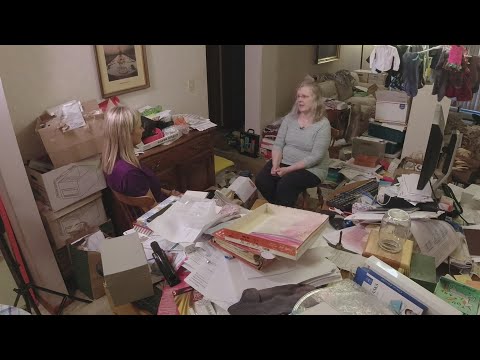
Hoarding disorder? Yeah, it’s more common than you might think.
You know that friend who can’t seem to throw anything away? It’s not just being messy. There’s a lot more going on under the surface.
Imagine boxes piled high, old clothes in every corner, and a sense of panic when someone wants to come over. It’s not just about clutter; it can affect relationships and overall happiness.
This stuff can really weigh you down, emotionally and mentally. Let’s chat about what hoarding disorder is all about and why understanding it matters.
Understanding the 5 Types of Hoarders: Identify and Overcome Unique Challenges
Hoarding disorder can be a real struggle. If you’ve ever watched those shows where people have piles of stuff everywhere, you might think it’s just messy living. But it’s way deeper than that. So, let’s break down the five types of hoarders and what makes each one unique.
1. The Emotional Hoarder
This type finds it super hard to part with items tied to memories, even if they’re trivial. For them, every object tells a story. Maybe it’s an old birthday card or a broken chair from Grandma’s house. It reflects their past and helps them cope with loss or loneliness.
2. The Aesthetic Hoarder
These folks see the beauty in everything and want to keep items for their artistic potential. They might hang on to scrap fabric or old magazines because they envision creating something amazing someday. Unfortunately, this passion can spiral out of control when projects remain unfinished.
3. The Compulsive Hoarder
Compulsive hoarders feel this intense urge to save things, often driven by anxiety or fear of needing something later on. They might stockpile supplies like food and clothing—just in case! This often results in cluttered spaces that feel overwhelming and chaotic.
4. The Indifferent Hoarder
Now here’s a twist: these individuals don’t really see the mess as a problem at all! They may not care about the clutter packing into their lives and often brush off concerns from friends or family members. This detachment can make it tricky for loved ones trying to help.
5. The Recyclable Hoarder
This isn’t about trashing your old milk cartons—it’s more like someone who can’t let go of recyclable items because they want to do their part for the environment but end up drowning in piles of newspapers and plastic bottles instead!
Every type faces its own set of challenges; it’s not just about cleaning up spaces but also addressing underlying emotional issues and coping mechanisms that feed into hoarding behavior.
But how do you tackle these challenges? It requires understanding first and foremost—you’ve got to connect with what drives the hoarding behavior for each person! Here are some helpful pointers:
- Therapeutic Intervention: Working with professionals who specialize in cognitive behavioral therapy (CBT) can help address thought patterns behind these behaviors.
- Support Networks: Building a support system with friends or family can offer encouragement without judgment.
- Bite-Sized Goals: Tackling clutter is tough! Setting small goals, like clearing out one drawer at a time, can make it manageable.
- Acknowledge Feelings: It’s essential to validate the emotions tied to these items—because, at the end of the day, it’s not just stuff; it’s personal.
Just remember, tackling hoarding behavior isn’t an overnight fix—it takes time and patience! Recognizing where someone falls within these types helps create a tailored approach for recovery while addressing those unique struggles that come along with hoarding disorder.
10 Things You Should Never Say to a Hoarder: Understanding and Supporting Their Journey
Hoarding can be a really tough thing to deal with, for both the person experiencing it and those around them. But if you want to support someone who’s navigating this journey, there are definitely things you should avoid saying. Here are some key points to keep in mind:
- «Just throw it away.» It sounds simple, right? But for someone with hoarding disorder, that stuff isn’t just junk. Each item can hold immense emotional weight. Imagine telling someone that their memories or comfort items should just be tossed aside.
- «Why can’t you just let it go?» This question implies that it’s easy to part with things. Really, it’s not about the items themselves; it’s about feelings of safety or identity. Think of it like asking why someone can’t let go of a cherished childhood toy.
- «You’re making a mess.» This statement can feel like an attack rather than a concern. Instead of focusing on cleanliness, try asking how they feel in their space or if they need help sorting through things.
- «This is embarrassing.» Yikes! That feels like shame being piled on top of what’s already a hard situation. You might encourage them to see things differently by expressing your understanding and compassion instead.
- «You need help.» While this might be true, saying it outright could come off judgmental. A better approach might be offering your support or suggesting gentle steps toward seeking help together.
- «Everyone has stuff; just get rid of what you don’t need.» This oversimplifies the issue. Everyone has different relationships with their belongings and what seems unnecessary to you might be crucial for them.
- «It’s just stuff!» Sure, but for someone who hoards, it represents something way deeper—a sense of control, comfort, security. Dismissing their feelings doesn’t help at all; in fact, it often does the opposite.
- «Can’t you see how unhealthy this is?» Pointing out the obvious isn’t really constructive here. Instead of focusing on health implications right away, show that you care about how they feel and want to understand more.
- «You’ll never get organized.» That kind of statement is dismissive and discouraging! Instead, offer encouragement by acknowledging any small progress they make—every little bit counts!
- «If I were you…» It’s easy to speak from an outside perspective without truly knowing what they’re experiencing emotionally. Everyone’s journey is unique; try sharing your feelings instead of giving opinions based on ‘what you’d do.’
Understanding hoarding isn’t just about seeing clutter; it’s about understanding emotions tied to possessions and how these affect behavior. When we step into their shoes—even for just a moment—we might realize that patience and empathy make all the difference on this journey of support.
Understanding Hoarding: The Psychological Significance Behind the Behavior
So, let’s talk about hoarding. It’s one of those things that can feel super overwhelming, both for the person dealing with it and for their loved ones. You might notice someone who just can’t seem to let go of things—old magazines, clothes that don’t fit, or even empty containers. And you’re probably wondering: Why do they do this? What’s going on in their heads?
Hoarding disorder is more than just being messy or disorganized. It’s classified as a mental health condition, and it involves the excessive collection of items, along with a real struggle to part with them. The thing is, this behavior isn’t just annoying or frustrating; it can seriously impact someone’s life, relationships, and overall well-being.
Let’s break down the psychological significance behind hoarding:
1. Emotional Attachment: A lot of people who hoard feel a deep emotional connection to their belongings. It could be nostalgia for a time in their life, memories tied to objects, or even feelings of security. Imagine holding onto your childhood toys not because you play with them but because they remind you of simpler times.
2. Fear of Loss: For many folks, there’s this intense fear around letting go of items. They worry about what might happen if they throw something away—what if they’ll need it later? This thought process can lead to anxiety and prevent them from discarding anything at all.
3. Perfectionism and Control: Some individuals may see their possessions as part of their identity or image. They often struggle with perfectionism; everything must be “just right.” When faced with clutter, they might feel like they’re losing control over their environment.
4. Underlying Mental Health Conditions: Hoarding is frequently linked to other mental health issues like depression or anxiety disorders. Think about it: when you’re already feeling low or anxious, keeping items can give you a sense of safety—like holding onto something tangible when everything else feels chaotic.
Now here comes the tricky part: Society often gives hoarders a bad rap by labeling them as lazy or disorganized without understanding what’s really happening beneath the surface—like I mentioned earlier, it’s not just physical clutter; it’s emotional chaos too!
Here’s an example that might hit home: Imagine someone named Sam who has always held onto every birthday card they’ve ever received since childhood because each one reminds him of special moments in his life. Over time, Sam’s collection grows so large that he feels overwhelmed by it all but doesn’t know where to start decluttering—thus making him feel stuck in a cycle that’s hard to break.
The good news? Help is available! Therapy approaches like cognitive behavioral therapy (CBT) have shown promise in treating hoarding disorder by helping individuals reframe their thoughts about possessions and develop healthier coping mechanisms.
In summary, understanding hoarding goes beyond just seeing it as “junk collecting.” It dives into complex emotions, fears of loss and underlying mental health issues—all wrapped up in one tightly packed box…or room! So next time you encounter someone dealing with this challenge—or if you’re facing it yourself—remember there’s more than meets the eye here!
Hoarding disorder is one of those things that can feel really hard to grasp, right? It’s not just about being messy or holding on to a few old magazines. It’s deeper. People with hoarding disorder often struggle with this intense emotional attachment to their possessions, which can seriously impact their lives.
Let’s say you know someone who keeps every little thing—their kid’s crayon drawings from when they were five, a broken toaster, even a stack of pizza boxes, you know? At first glance, it might seem a bit quirky or funny. But the truth is, for many folks dealing with hoarding disorder, these items represent something more profound. It could be feelings of loss or maybe the fear of letting go—like if they throw something away, they’re losing a part of their story.
When you think about it from a mental health perspective, it gets even trickier. The clutter isn’t just about stuff; it’s tied to anxiety and depression, often creating this vicious cycle. The more clutter piles up, the more anxious someone might feel. And then what happens? They just keep collecting more stuff as a way to cope. It’s like trying to fill an emotional void.
I remember talking to a friend whose relative struggled with hoarding. One day she shared how her family had tried everything—talks didn’t work, and shouting definitely didn’t help either. They felt helpless watching her get lost in her sea of belongings. Can you imagine how frustrating that must be? On some level, people want to help but don’t know how without pushing the person further into isolation.
Treatment can be tough too! Therapy is usually key for healing but can take time and patience because it’s not just about clearing out a room; it’s also about digging deep into those emotions tied up with those items. Cognitive-behavioral therapy (CBT) is often used to help individuals learn new ways of thinking and managing their emotions around possessions.
It’s essential for us all as friends or family members to approach this topic with compassion rather than judgment or frustration. Hoarding isn’t simply “being messy”; it’s genuinely tough for those who experience it every day—and understanding that makes all the difference in supporting them on their journey towards healing.