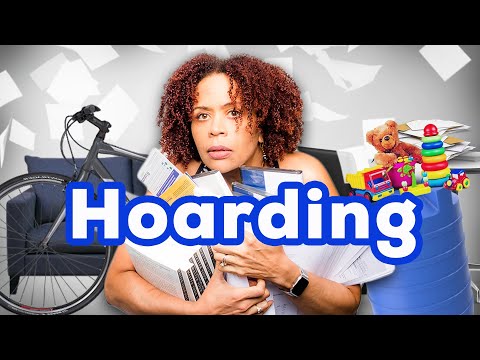
You know that feeling when you walk into a room and it just feels, like, super overwhelming? Yeah, that’s kind of what happens with hoarding disorder.
It’s not just about stuff piling up. It’s about what’s going on in someone’s head.
Imagine holding onto old newspapers because they remind you of better times. Or keeping clothes that don’t fit anymore, but you just can’t part with them. It gets complicated.
So we’re diving into this world of clutter—emotional and physical. It’s a journey through the mess, the memories, and the mind. Hang on tight; it’s gonna be a ride!
Understanding Hoarding: Do Hoarders Recognize Their Condition?
Hoarding can be one of those things that just baffles a lot of people. You might see a house piled high with junk and think, “What’s going on here?” Well, it’s not just about being messy; it’s a real condition called Hoarding Disorder. So, do hoarders even realize they have an issue? Let’s break it down.
First off, hoarding affects how someone thinks and feels about their possessions. For many of these folks, objects hold emotional significance. They might attach memories or even feel a sense of identity tied to items they accumulate. It makes cleaning out those spaces super tough. Imagine trying to help a friend declutter their home filled with years of memories—that can get emotional fast.
Now, here’s the kicker: many hoarders don’t see their behavior as a problem. They might think they’re just being careful or saving things for a rainy day. Sometimes, outsiders see the clutter and chaos, but the person living in it feels perfectly fine—or at least that’s what they believe. So yeah, there can be this disconnect.
Some hoarders may recognize issues like clutter affecting relationships—or even safety concerns, like fire hazards—but still struggle to admit there’s a full-blown problem. It’s often more about how they view their stuff than the actual mess itself.
Also, mental health plays a role here. Conditions like anxiety or depression often accompany hoarding disorder. When you’re dealing with intense emotions or distressing thoughts daily, focusing on organizing your clutter is probably not top of mind. Instead of seeing themselves as needing help, they could be feeling overwhelmed by life itself.
Let me give you an example: imagine Mary. She inherited tons of family heirlooms and can’t seem to part with any of them because each piece reminds her of her childhood—her grandma’s old teapot or her dad’s baseball cards hold stories for her that are irreplaceable. To others looking in from the outside? It looks like she simply has too much stuff!
So what does this mean for treatment? A lot! Recognizing hoarding as an issue is the first step towards addressing it effectively. Therapies like cognitive behavioral therapy (CBT) can assist in reshaping how someone thinks about their belongings and help them manage their emotions better.
To wrap it up:
- Recognition varies: Not all hoarders realize there’s an issue.
- Emotional attachment: Objects often hold significant emotional weight.
- Mental health connections: Anxiety and depression are common companions.
- Treatment requires insight: Acknowledgment is key to making progress.
So next time you come across someone struggling with clutter, remember—it might be more than just piles of stuff; it’s wrapped up in emotions and mental processes that aren’t easily untangled!
Effective Strategies for Overcoming Clutter Hoarding and Regaining Control of Your Space
Hoarding can feel like this massive mountain you just can’t climb. Seriously, it’s not just about having too much stuff. There’s often a lot of emotion tangled up in it, which makes it tricky to tackle. But with some effective strategies, you can start to regain control of your space.
Understand Your Triggers
First off, figure out what causes the clutter to pile up in the first place. Is it nostalgia? Anxiety? Sometimes, people hold onto items because they think they might need them someday or because they’re attached to memories. Take a moment to reflect on this for yourself. You know, like really ask why you can’t let things go.
Set Manageable Goals
Instead of trying to clear everything at once—which is overwhelming—try breaking it down into bite-sized pieces. Pick one room or even just one corner of a room. Set a timer for 15 or 30 minutes and focus only on that spot until the time’s up. It’s amazing how much you can accomplish in short bursts without feeling stressed out.
Make Decisions-Making Easier
When you’re faced with a pile of stuff, decisions can be hard! So, create categories for sorting:
,
,
, and
. For the unsure pile, put items in a box and seal it up for six months. If you don’t miss them during that time, it’s probably safe to say they can go.
Seek Support
Don’t underestimate the power of having someone there with you! Grab a friend or family member who understands your situation. They can help keep things moving along and provide emotional support when things get tough. Plus, sometimes an outside perspective helps with decision-making—you know?
Create Organizational Systems
Once you’ve decluttered some space, think about how you’re gonna keep things organized going forward. Use storage bins, labels, or shelving units to help maintain order. Having every item have its place makes it easier to find what you need without feeling overwhelmed by clutter.
Practice Mindfulness
This one might sound a bit touchy-feely but hear me out—mindfulness helps bring awareness to your feelings about your possessions and yourself. Spend some time each day reflecting on your emotions connected to hoarding and decluttering. This could involve meditation or simply quiet moments where you check in with how you’re feeling.
Consider Professional Help
If hoarding feels too overwhelming to tackle alone, don’t hesitate to reach out for professional help—like therapists who specialize in hoarding disorder. They can provide tailored strategies and have techniques that really work for this kind of situation.
Remember: taking control over clutter is more about progress than perfection! It might take some time—hey, that’s totally okay! Just make sure you’re being kind to yourself along the way; every little step counts towards creating that calm space you’re dreaming of!
Understanding the 5 Stages of Hoarding: A Comprehensive Guide to Overcoming Clutter
Hoarding can feel like a tangled web of emotions, memories, and stuff. You know, one day you’re just holding onto a few sentimental items. Then before you know it, your living space is packed with stuff that makes everyday life challenging. It’s essential to understand that hoarding isn’t just about physical items; it’s deeply connected to emotional struggles. Let’s break down the five stages of hoarding so you can get a clearer picture.
Stage 1: The Acquisition Phase
This stage is all about collecting. It might start innocently—picking up free things or buying unique pieces at thrift stores. At this point, it feels harmless. You might think, «I could use that someday!» But for someone on a path toward hoarding, this stage can quickly spiral out of control.
Stage 2: Emotional Attachment
As time goes on, those items begin to hold more emotional weight. Maybe your old journals remind you of your teenage angst or that pile of clothes once belonged to a beloved family member. Each item becomes a memory to cherish, even if they’re not practical anymore.
Stage 3: The Clutter Accumulates
Here’s where things really start getting crowded. What was once just a few boxes turns into piles everywhere—on the floor, in corners, covering furniture. This stage can lead to stress and anxiety because living in clutter can feel overwhelming and chaotic.
Stage 4: Denial and Isolation
During this phase, you might deny there’s an issue at all. Friends might offer concern but instead of taking help seriously, you tell them everything is under control—even when it’s not! You may find yourself isolating from loved ones because you’re embarrassed or ashamed about your living situation.
Stage 5: Crisis and Realization
This stage often hits hardest when you face a significant life change—like losing a job or experiencing the death of someone close. It can lead to an intense reckoning with your cluttered reality. Whether it’s health concerns due to unsanitary conditions or feeling completely overwhelmed, something finally clicks in your mind that changes everything.
So what does overcoming hoarding look like? It usually involves therapy—specifically cognitive-behavioral therapy (CBT)—where you work through those emotional attachments and learn healthier ways to cope with stress without resorting to collecting junk.
And don’t forget that support groups can be super helpful too! Sharing experiences with others who understand how clutter affects daily life brings connection and hope.
You see? Overcoming hoarding isn’t just about throwing things away; it’s about navigating the feelings tied up in all that stuff and finding healthier ways to deal with them moving forward! So stay strong—the journey isn’t easy but really worth it in the end!
Hoarding disorder is one of those things that, like, really tugs at the heartstrings, you know? It’s not just about having a messy house or a lot of stuff lying around. It goes way deeper than that. Imagine living in a space where the walls are closing in because things are piled high everywhere. You can’t find your favorite sweater or even make a cup of coffee without stepping over boxes. That’s what it can feel like to someone dealing with hoarding.
I remember talking to a friend who spent years collecting every little thing that came her way—old magazines, trinkets, and even things she found on the street. She didn’t see it as clutter; they were treasures with stories attached. Letting go felt like losing a part of herself. It’s tough because, for many, the items have an emotional weight that’s hard to shake off. They might remind you of good times or give you comfort, even if they – let’s be real – create chaos.
The crazy part is that it can happen to anyone, regardless of how organized we think we are. Maybe you’ve got that drawer at home stuffed with takeout menus and random batteries—you know the one? Hoarding disorder takes that feeling and cranks it up to eleven; it consumes your daily life and relationships too.
People often think folks with hoarding disorders just need to clean up their act, but it’s more about understanding what’s happening in their minds. Many times, there’s anxiety lurking beneath the surface or past trauma influencing their relationship with stuff. Therapy can help peel back those layers—kind of like an onion—and address the feelings tied to all those possessions.
The journey toward navigating these cluttered spaces isn’t easy though—it takes time and patience, both for the person dealing with it and for their loved ones. Every little step counts! Clearing out physical objects often brings up emotional baggage that needs attention too—like facing fears or unearthing memories long tucked away.
So what’s the takeaway from all this? Hoarding disorder teaches us empathy because when we see clutter through this lens, we start recognizing our own attachments and maybe understanding them better. After all, clutter isn’t always just mess—it can be a map of someone’s life experiences waiting to be explored!