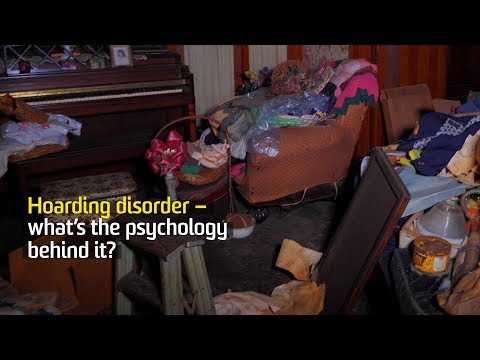
Hoarding isn’t just about having a messy room, you know? It’s way deeper.
Picture this: you walk into someone’s house, and it looks like an episode of that reality show. Stuff everywhere. It can be alarming, right? But that’s just the surface.
There’s a whole emotional story behind it. It’s not just clutter; it can be tied to fear, anxiety, or even past trauma.
People might grab onto objects like they’re holding onto memories or trying to find comfort in chaos.
So let’s unpack this together. What really makes someone hoard? Keep reading; it’ll be an interesting journey!
The Emotional Impact of Discarding a Hoarder’s Possessions: Understanding the Psychological Consequences
When it comes to hoarding, you know it’s not just about the stuff piled up in a corner. Letting go of possessions can hit harder than you might think. Seriously, the emotional impact of discarding items can be overwhelming for someone who hoards.
First off, there’s this deep attachment that many folks develop with their belongings. It’s like those items become part of their identity. Maybe it was a gift from a loved one or something they saved up for ages to buy. So when it’s time to get rid of stuff, it can feel like losing a piece of themselves.
Then there’s the fear of regret. You might be thinking, “What if I need this later?” It’s a valid concern! The anxiety around making decisions about what to keep or toss can be paralyzing. This fear is often amplified by *the memories* tied to each item, making decisions feel impossible.
Another thing to consider is the overwhelming sense of loss and grief. Imagine spending years collecting things that you *thought* would bring joy or comfort, only to realize that they’ve become burdens instead. Discarding these possessions can trigger feelings similar to mourning—like saying goodbye to an old friend who just isn’t helping anymore.
Also, family dynamics play a huge role. If you’re trying to help someone declutter their life, be prepared for resistance or anger. It can feel like an invasion of space—they may see it as someone attacking their choices and identity rather than clearing out clutter.
And let’s not forget about shame and embarrassment! Many hoarders already feel judged by others for their habits. When faced with the task of sorting through everything, those feelings can come rushing back full force. They might worry about how others perceive them or how they got into this mess in the first place.
In some cases, professional help becomes necessary. Therapists are trained to help people navigate these difficult emotional waters while gently guiding them through the decluttering process. Cognitive-behavioral therapy is often used since it helps in reshaping negative thought patterns related to possessions.
So yeah, if you’re involved in helping someone deal with their hoarding tendencies—or if you’re struggling with this yourself—remember that it’s not just about getting rid of stuff. It’s really about handling complex emotions and finding healthier ways to cope with past experiences tied up in those belongings.
Effective Psychological Treatments for Overcoming Hoarding Disorder
Hoarding disorder can feel like an overwhelming battle for many people. You might be thinking, “How did I get here?” or “Why can’t I let go of this stuff?” The truth is, it’s often tied to deeper psychological roots and emotions. So, let’s dig into some effective treatments that can help you or someone you know deal with hoarding.
Cognitive Behavioral Therapy (CBT) is one of the most recommended approaches. It focuses on changing the way you think about your possessions. Here’s the thing: hoarders often attach emotional significance to items that most people would see as trash. A therapist will work with you to challenge these thoughts and beliefs, helping you learn to evaluate what truly holds value for you.
But CBT isn’t just about changing thoughts—it also involves confronting your fears related to discarding items. You might worry about needing what you throw away or feel guilt over parting with family heirlooms. A therapist helps guide you through this emotional maze, making it easier to take action.
Exposure Therapy is another useful technique within CBT. This involves gradually exposing yourself to situations that trigger anxiety—like looking through your belongings or cleaning a space. It sounds intense, but the goal is to decrease anxiety over time so it feels less scary. Imagine starting with a single item; after a few sessions, that could turn into tackling an entire room!
Another important aspect of psychological treatment is motivational interviewing. Sometimes, people who hoard are not fully ready to change their behaviors. A therapist will help explore your feelings about hoarding and what change might mean for you—not pushing too hard but gently guiding you toward recognizing the benefits of letting go.
Group therapy can also be a huge support! Seriously, sharing experiences with others who understand your struggles can be comforting and motivating. You’ll learn from each other’s journeys and create a sense of community around overcoming challenges together.
And we can’t forget about organization skills training. Many folks with hoarding issues struggle with practical skills like sorting through items or managing time effectively during clean-up sessions. Therapists teach these skills step-by-step, turning what feels impossible into manageable tasks.
Lastly, while therapy plays a huge role in recovery from hoarding disorder, having a supportive network is key as well—friends and family who understand your journey without judgment can make all the difference.
Let’s remember: overcoming hoarding isn’t just about getting rid of things; it’s also about addressing the emotions tied to those items and building healthier habits for the future. It takes time and effort but with the right support system in place, it’s absolutely doable!
Understanding the 5 Stages of Hoarding: A Comprehensive Guide to Recognizing and Addressing the Issue
Hoarding can feel really overwhelming, both for the people who hoard and for their loved ones. It’s not just about having a messy room or a cluttered garage; it runs deeper than that. So, let’s break down the five stages of hoarding and get a clearer picture of what’s going on.
Stage 1: The Beginning
This is where it all starts. People might begin collecting items that hold sentimental value, memories, or even just seem interesting. You know how when you find an old toy or a piece of clothing that reminds you of your childhood? It can hit you right in the feels. But then, it gets tricky—what starts as harmless collecting can begin to spiral out of control if not checked.
Stage 2: Accumulation
As time goes on, that collection isn’t just growing; it’s multiplying. It could be clothes, magazines, souvenirs—pretty much anything! Your friend might have one cute mug from their travels, but then they suddenly have fifty scattered around their kitchen. At this stage, individuals often struggle with parting ways with these items because they associate them with emotional connections.
Stage 3: Recognizing the Problem
This stage is tough because there’s often awareness that things are becoming problematic. Maybe they’ve tried to clear out some items but found themselves too attached to let go of anything. It’s like holding onto a balloon while your friend is telling you it might pop if you keep squeezing it too tightly.
Stage 4: Struggling With Change
Oh man, now the real battle begins! There’s often denial here. Even if someone realizes they might need help or want to change, actually doing it? That’s another story! Feelings of shame may set in too; like when someone offers to help you clean your space but you’re too embarrassed to show them what you’re hiding under the piles.
Stage 5: Seeking Help
Finally, at this stage, individuals reach out for support—whether it’s therapy or joining a support group. This step is huge! It takes courage to ask for help and face those emotional ties head-on—like peeling off band-aids one by one instead of ripping them off all at once.
Hoarding is complex and tied up with emotions like anxiety and depression as well as past traumas. Understanding these stages can really help in recognizing how someone is feeling and figuring out how best to support them through their journey—whether that’s encouraging professional help or just being there for them when they need a friend.
So yeah, these five stages give us a glimpse into the process behind hoarding behavior. Each person’s experience is unique but recognizing where someone falls on this spectrum can lead to better understanding and ultimately aid in healing.
Hoarding can feel like a heavy topic, you know? Like, when you think about it, we often see hoarding as just a quirky thing—like that one aunt who keeps every magazine from the past decade. But really, there’s so much more going on beneath the surface.
Take a moment to consider how it must feel to be in that mind space. Picture someone standing in the middle of a cluttered room filled with boxes and old newspapers. You might wonder why they can’t just throw things away. But their experience is layered and complicated—often tied to deep-seated emotions and psychological needs.
For many folks hoarding isn’t just about the stuff; it’s about emotion. Believe it or not, some people hold on to items because those objects represent something important—memories of loved ones or significant life events. It’s like a way to keep those moments alive. It makes total sense when you think about it: if your favorite teddy bear reminds you of childhood joy, letting it go can feel like losing part of yourself.
There’s also the fear of loss that plays a massive role here. Imagine having experienced profound loss—a loved one passing away, or moving away from home—and then suddenly feeling like something tangible could fill that emotional gap. It’s comforting in a way, even if it leads to an overwhelming amount of stuff piled high.
And let’s not forget about perfectionism or anxiety! Seriously, some people look at their living spaces and end up feeling paralyzed by the need for everything to be ‘just right.’ Each item becomes another decision point—and when you’re anxious or exhausted mentally, making decisions becomes way harder than it should be.
People often forget that hoarding behaviors can emerge from trauma too. Maybe someone grew up in poverty where they had to save every scrap of food or clothing just to get by. So when life gets tough later on, those old habits kick in without thinking twice.
To really get what drives these behaviors requires digging into personal histories and emotional landscapes instead of just dismissing them as messy habits. Sure, cleaning up might seem like an easy solution from the outside looking in—but understanding the root causes is key to making any lasting change.
Seeing hoarding through this lens opens your eyes and heart a bit more doesn’t it? It’s not just clutter; it’s human experience wrapped up in stuff—stuff that’s telling powerful stories all its own.