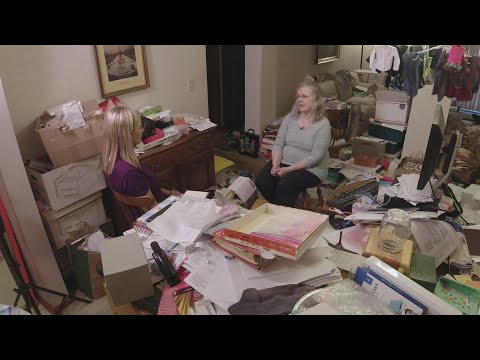
You know, hoarding isn’t just about having a messy room or too many shoes. It runs way deeper than that. It’s like there’s this whole emotional story behind every item piled up on the floor.
Imagine holding on to things because they make you feel safe. Or maybe you think you might need them someday—even if you haven’t touched them in years. That can get pretty overwhelming.
I once met someone who couldn’t bear to get rid of any of their kid’s old toys. They felt like it meant losing a piece of their past. Crazy, right? But when you look closely, it makes sense.
So let’s dive into why some people hold onto things and how it connects to what they’re feeling inside. Spoiler alert: it’s not just about the stuff!
Understanding the Connection: Types of Trauma That Lead to Hoarding Behavior
Hoarding behavior can seem pretty puzzling, right? I mean, why would someone hold onto things that most people would just throw away? Well, a lot of it has to do with trauma. When you dig into the psychological roots of hoarding, you start to see how various types of trauma can lead someone down this path.
First off, let’s talk about childhood trauma. Imagine growing up in a chaotic environment where nothing felt stable. For many, childhood experiences like neglect, abuse, or loss can create a deep-seated fear of losing something—whether that’s a person or an object. So, when things get tough emotionally, holding onto items—even seemingly useless ones—becomes a coping mechanism.
Another big player is loss and grief. Losing someone you love can be absolutely devastating. Sometimes people respond by accumulating items that remind them of their lost loved ones or even by collecting random things because they’re subconsciously trying to fill that void. It’s like they’re holding onto the past and trying to avoid the painful feelings associated with that loss.
Then there’s trauma from significant life changes. Think about life events like divorce, moving to a new place, or losing a job. These shifts can cause anxiety and make someone feel out of control. So what do some folks do? They cling to their possessions; it’s as if those items provide a sense of stability in an unstable world.
Also noteworthy is how some people experience emotional neglect. If someone grew up without support or validation for their feelings, they might have developed unhealthy coping strategies over time. Holding onto stuff becomes not just about stuff—it turns into a way to feel important or valued when everything else seems untrustworthy.
You might be surprised to hear that there’s often an underlying mental health condition involved too. Conditions such as OCD (Obsessive-Compulsive Disorder) or certain anxiety disorders can contribute significantly to hoarding behaviors. The compulsive need to keep things stems from obsessive thoughts about losing something important or worries about what could happen if they get rid of items.
All these factors create a complicated web where past traumas intertwine with present behaviors. So when you see someone struggling with hoarding, remember: it often goes way beyond just loving stuff—it’s deeply tied up with emotions and experiences shaped by trauma.
In summary:
- Childhood Trauma: Neglect and abuse lead to fear of loss.
- Loss and Grief: Items remind people of loved ones they’ve lost.
- Life Changes: Events trigger anxiety leading individuals to cling to possessions.
- Emotional Neglect: Lack of emotional support results in unhealthy coping mechanisms.
- Mental Health Conditions: OCD and anxiety disorders play roles in hoarding behavior.
So really understanding hoarding behavior involves peeking behind the curtain at these traumatic experiences—and realizing that it’s not just about clutter; it’s about grappling with complex emotions tied deeply within someone’s life story.
Exploring the Spiritual Root Causes of Hoarding: Understanding the Deeper Connection
Hoarding can be one of those things that leaves people scratching their heads. It’s not just about holding onto stuff. There are often deeper emotional and spiritual threads weaving through this behavior. So, let’s break it down a bit.
First off, hoarding can often connect to feelings of anxiety and fear. You may feel like you need to keep items because they bring a sense of safety or security. For some, each object holds a memory or represents a part of their identity. Can you imagine a friend who never tosses out old concert tickets or family heirlooms? They see these things as family, as pieces of themselves.
Spiritual perspectives can also play a role in hoarding behaviors. This can sound kind of abstract, but hear me out. Some folks might feel that by holding onto items, they are preserving something sacred or meaningful. There’s this idea that things carry energy or spirit within them; like each item tells its own story.
- Fear of loss: When people hoard, they often fear losing those precious memories attached to the items.
- Sense of purpose: Accumulating things can give people a feeling of purpose and control in chaotic lives.
- Isolation: Hoarding might also come from feeling disconnected from others—almost like stuff becomes your sole companion.
It’s important to consider how past experiences shape these feelings too. Think about someone who grew up during tough times—maybe during the Great Depression—where everything felt scarce. They might hold onto every piece of paper or fabric because letting go feels dangerous.
And sometimes there’s an emotional connection tied to loss or grief involved in this too. Let’s say you lost a loved one; their belongings could become too precious to part with because each item carries their essence with it. You’re left with this inner conflict between wanting to let go but feeling an overwhelming urge to hold on—like you’re clinging to their spirit.
In some cases, spirituality, in the form of beliefs about material goods being linked to self-worth or destiny, might also influence hoarding behaviors. It’s like viewing your possessions as reflections of who you are—or even markers on your life journey.
The conversation around hoarding often overlooks this whole spiritual dimension when focusing solely on psychological aspects. But ignoring these layers can miss what truly fuels this struggle for many individuals.
Ultimately, while professional help is key for tackling hoarding issues—from therapy approaches like CBT (Cognitive Behavioral Therapy) that specifically work on changing thought patterns—it helps to recognize that there’s more than meets the eye here; a deeper story beneath each pile and each packed box waiting for understanding and healing!
Understanding the 5 Stages of Hoarding: A Comprehensive Guide to Overcoming Clutter
Hoarding can be a tough nut to crack, you know? You might have a friend or family member who just can’t seem to let go of stuff, and it can feel overwhelming. So, let’s break down the five stages of hoarding. Understanding these stages can help you or someone you care about tackle the clutter in a better way.
The First Stage: Awareness
This is where it all starts. The person begins to recognize their attachment to items. It might be small things like old magazines or clothing. They’re not yet fully aware of how this affects their life, but the seeds are planted. Picture someone saying, «I just need to keep this for now.»
The Second Stage: Justification
In this stage, the thoughts get more intense. Individuals start making excuses for their behavior. They might think they’ll use that broken lamp someday or that they want to honor a loved one by keeping everything they gave them. Here’s where emotional ties really kick in—like “I can’t throw away Grandma’s old quilt; it holds so many memories!”
The Third Stage: Escalation
Things begin spiraling here. The clutter grows because the person starts acquiring even more items—sometimes without realizing it! This stage reflects an increase in anxiety and even guilt when trying to discard things. It’s like being caught in an emotional storm; everything feels too valuable to toss.
The Fourth Stage: Isolation
At this point, things get really serious. People might avoid visitors because they’re embarrassed about the state of their home. There could be shame associated with asking for help too, which just leads to further isolation from friends and family. “If only they knew how bad it is…” becomes a common thought.
The Fifth Stage: Acceptance (or Resistance)
This stage has two paths—acceptance or resistance. Some individuals finally recognize the problem and might begin seeking help! Others may resist change completely and stay stuck in their cluttered lifestyle. It’s heartbreaking when you see someone struggle between wanting help and feeling trapped by their belongings.
To wrap it up, hoarding isn’t just about having too much stuff; it digs deep into our emotions and memories. If you or someone close is dealing with hoarding behaviors, understanding these stages can be a huge step toward finding solutions together.
So remember, it’s okay to ask for help! You don’t have to face this alone—there’s support out there waiting for you.
Hoarding behavior can be pretty puzzling, right? I mean, you see someone with a house full of stuff, and it’s hard to wrap your head around why they can’t just let it go. But if you take a closer look, there’s often a lot more going on beneath the surface.
Imagine sitting in a room packed with newspapers, old toys, and who knows what else. For many people who hoard, this clutter isn’t just junk—it’s comfort. Often, this behavior starts in childhood or during tough life events. Maybe they experienced loss or trauma that made them feel like they needed to cling to things. And suddenly those objects turn into emotional anchors.
A friend of mine once shared how her grandmother kept every single birthday card she ever received. It wasn’t just about the cards; it was about memories and feelings attached to each one. For her grandma, those cards represented love and connection—a way to hold onto cherished moments that might feel fleeting. But as the years went by, the sheer volume of stuff became overwhelming for everyone involved.
Psychologically speaking, hoarding often relates to anxiety and feelings of uncertainty. The thought of losing something—anything—can spark an intense fear. People might think that once they get rid of something, they’ll regret it later or feel empty without it. It’s like living in a paradox where the mess feels safer than letting go.
So, hoarding isn’t just about being disorganized or lazy; it’s often tied up in deep emotional experiences and mental health issues like obsessive-compulsive disorder (OCD) or even depression. Those emotions run wild when faced with parting from their belongings.
But here’s the thing: recovery is possible! With therapy and support, people can learn healthier ways to cope with their emotions and make sense of their attachments without needing so much “stuff.” It can be a journey—one that takes time—but it’s definitely doable.
Understanding hoarding behavior really opens your eyes to how we all deal with our feelings differently. Maybe for some folks it’s keeping everything close; for others, letting go comes easier but isn’t always devoid of its struggles either! So yeah, next time you come across hoarding behavior, remember there are layers behind those piles—it’s not just clutter; it’s a story waiting to be heard.