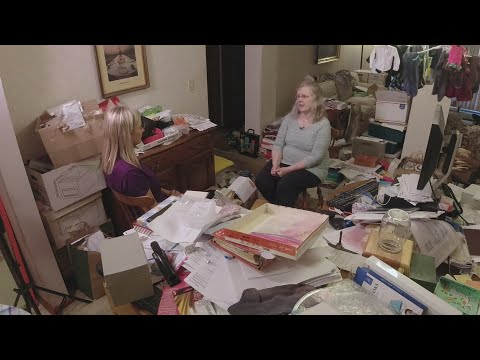
You know, hoarding can feel like this massive weight on your shoulders. It’s not just about stuff—it’s about feelings, memories, and sometimes just plain anxiety.
Ever seen a pile of things that totally takes over a room? Crazy, right? But what if I told you it’s not just clutter? It’s deeper than that.
People with hoarding issues aren’t lazy or disorganized; they’re often wrestling with their emotions and past experiences. Seriously, healing from that isn’t just clearing out boxes; it’s finding your way back to yourself. It’s tough but so worth it.
So let’s chat about the journey of healing from hoarding and how we can support each other along the way. You’ll see—it’s all about understanding the mind behind the mess!
Comprehensive Hoarding Disorder Treatment Workbook PDF: Your Guide to Recovery and Organization
Hoarding disorder, which is more than just a quirky habit, can really mess with someone’s life. It makes daily functioning tough, and it often weighs heavily on relationships. So when we talk about a **Comprehensive Hoarding Disorder Treatment Workbook**, we’re diving into something that can genuinely help folks on their journey to recovery and organization.
First off, this workbook usually focuses on a few key areas. You’ll find sections on understanding hoarding behaviors, identifying triggers, and exploring the emotional attachments people have with their possessions. Think about it: many folks hoard because they’re trying to fill emotional voids or hold onto memories. This workbook helps connect those dots.
One strong element in these workbooks is **goal-setting**. It encourages you to set small, achievable goals instead of overwhelming yourself with everything at once. You might start with sorting through just one room or even just one corner of a room. That’s way less daunting, right?
Anyway, another critical component often involves **cognitive-behavioral strategies**. These strategies help you challenge those unhelpful thoughts that pop up when you’re trying to declutter—like feeling guilty about throwing away gifts from friends or family. The workbook guides you through reframing those thoughts: reminding yourself that keeping stuff doesn’t equal love or memory.
You’ll also find practical exercises aimed at building skills for organization. Like maybe you learn how to categorize items by importance—what’s essential versus what’s just taking up space? That can be a game-changer as it gives clarity and makes decisions easier.
In addition to all this psychological work, there’s also an emphasis on establishing a support network. Recovery isn’t an island adventure; it needs allies! The workbook might encourage finding a trusted friend or therapist willing to help you along the way.
Let’s not forget about **self-care**! This aspect is crucial in any recovery process but especially important here since hoarding often ties into deeper issues like anxiety and depression. A section on self-care in the workbook usually covers grounding techniques or mindfulness exercises that can help ease anxiety during tough moments of decluttering.
Ultimately, healing from hoarding isn’t just about getting rid of stuff—it’s about tackling the emotional baggage that comes with it too and re-learning how to navigate life in a healthier way.
Hoarding disorder treatment workbooks can be incredibly valuable resources for anyone looking for guidance through this complex emotional landscape while gaining practical skills for daily living again—you know? They lay out solid steps toward both recovery and organization so you’re not left feeling overwhelmed but instead empowered!
Effective CBT Strategies for Overcoming Hoarding: Downloadable PDF Guide
Hoarding can feel overwhelming, both for those who experience it and their loved ones. Cognitive Behavioral Therapy (CBT) offers some effective strategies to help folks tackle this challenge. Basically, CBT is about changing patterns in thinking and behavior. Here’s how it can work wonders for hoarding.
Understanding the Emotional Attachment
A big part of hoarding is the emotional connection people have with their items. You might think a worn-out toy from childhood is just that – but for someone with hoarding tendencies, it can symbolize memories or comfort. So, understanding these feelings is crucial.
Gradual Exposure
One effective strategy is gradual exposure to discarding items. Instead of expecting someone to throw things away all at once, they can start by separating items into categories: keep, donate, or toss. This way, the process feels less daunting.
- Start small: Maybe they can begin with a drawer instead of an entire room.
- Set time limits: Give themselves 20 minutes to sort through a box.
- Practice decision-making: For every item, ask – «Do I really need this?»
Cognitive Restructuring
This part involves changing negative thought patterns related to possessions. Someone might think “If I throw this away, I’m losing a part of myself.” CBT helps them challenge that idea and replace it with something healthier like “I can remember the good times without holding onto everything.”
Emotional Regulation Skills
Sometimes, getting rid of stuff brings up a lot of emotions – sadness or anxiety might bubble up. Learning how to handle these feelings is vital. Techniques like deep breathing or mindfulness can be super helpful in calming the mind before diving into decluttering.
Sustainability over Perfection
It’s important to stress that progress isn’t about perfection but sustainability. It’s okay to slip up; what matters is getting back on track. Celebrating small victories boosts motivation and reinforces positive behavior.
A Support System
Encouragement from friends or family plays a huge role! Having someone who understands and supports you while sorting through those piles makes a world of difference. Just knowing you’re not alone in this journey often lightens the burden.
In summary, CBT offers structured strategies that target both emotions and behaviors surrounding hoarding. You know? It’s all about taking tiny steps towards clearing out space – physically and mentally! If you want more insights on these strategies in detail, there are downloadable PDFs available online that break things down even further.
Remember: healing takes time but every little bit counts!
Essential Guide to Effective Treatment for Hoarding Disorder: Insights from Therapists
Hoarding disorder can feel like carrying around an emotional backpack that’s way too heavy. So let’s break down how to navigate treatment, alright?
Understanding Hoarding Disorder is the first step. It’s more than just disorganization. It involves persistent difficulty in discarding or parting with possessions. This usually stems from a sense of attachment, anxiety, or even fear of making the wrong choice about what to keep.
Now, how do we tackle it? Well, most therapists suggest a mix of approaches:
- Cognitive Behavioral Therapy (CBT): This is one of the most effective treatments for hoarding disorder. The goal here is to challenge those thoughts that tell you you need to keep everything. Imagine a friend gently nudging you: “Do you really need that old magazine?” It helps to reframe your thinking.
- Motivational Interviewing: This technique focuses on enhancing your motivation to change. It’s like having a chat over coffee where someone sees your potential and encourages you to take small steps forward.
- Exposure Therapy: This involves confronting the anxiety that comes with discarding items. You might start by letting go of something small, like a broken pen, which can feel less overwhelming than diving right into your collection of cherished knick-knacks.
- Support Groups: Connecting with others who get what you’re going through can be incredibly therapeutic. Sharing stories helps lighten the load and makes you realize you’re not alone in this struggle.
Working on hoarding often feels emotional and tricky because it taps into memories and attachments that are hard to untangle. For instance, one client I know had stacks of newspapers from years back because they reminded her of her father’s love for reading. Just sorting through those felt like losing a piece of him.
Family Support is also crucial in treatment. Having family help can make the process less isolating. They help reinforce positive changes and provide encouragement during tough moments.
Therapists may also recommend practical skills training—like organizing or decluttering techniques—because these tools empower you in day-to-day life and foster a sense of accomplishment.
Medication isn’t typically the primary strategy for hoarding disorder but might be considered if symptoms overlap with anxiety or depression.
If you’re dealing with this issue, consider speaking with a mental health professional who specializes in hoarding disorder. They can tailor treatment specifically for your needs making the journey more personal.
Remember, healing takes time! Progress may be slow at times; treats yourself gently along the way as each small step counts toward living more freely without those heavy emotional weights holding you down.
Hoarding can feel like this huge, overwhelming wall, and it’s not just about stuff piling up in the corners of a room. It runs deeper, you know? It’s about emotions, fears, and memories that people often don’t even realize are tied to those items. I remember a friend of mine struggled with this for years. To her, each object was like a piece of her life story—something she simply couldn’t let go of. But as time went on, the clutter started suffocating her; she felt trapped in her own home.
From a psychological standpoint, hoarding is often linked to anxiety and past traumas. People may hoard because they feel an intense need to hold onto things for reasons that might not seem logical at first glance. This could be anything from wanting to save money or fearing loss to battling feelings of emptiness or abandonment. All those «what ifs» pile up alongside the physical items—what if I need this someday? What if I throw it away and regret it later?
Therapeutic approaches can really help unravel these tangled emotions. Cognitive-behavioral therapy (CBT), for example, focuses on changing the thought patterns that contribute to hoarding behavior. Instead of just putting someone in front of their pile of old newspapers and saying “get rid of them,” therapists work with individuals to explore why those papers mean so much to them.
It sounds simple, but tackling hoarding involves building trust over time between the person and their therapist—a safe space where they can share their feelings without judgment. It’s all about understanding that healing isn’t just about clearing out space; it’s also about creating a sense of safety and stability within themselves.
And while it might seem daunting at first—like standing at the bottom of a mountain with no clear path upwards—it’s totally possible to make progress step by step. Maybe starting with one small box instead of facing an entire room can make all the difference—a way to reclaim control little by little without feeling entirely overwhelmed.
So yeah, healing from hoarding is this complex dance between emotional honesty and practical support. And while there are bumps along the way—like setbacks or moments when old habits creep back in—what really matters is recognizing that recovery isn’t linear; it’s messy but oh-so-human!